Boise Recycling Guide: A Comprehensive Overview (Updated February 15, 2026)
Boise, Idaho, prioritizes environmental stewardship, aiming for Carbon Neutral 2050, and this guide details its comprehensive recycling programs and accepted materials for residents.
Boise’s commitment to sustainability is deeply rooted in its natural surroundings, from the Boise River Greenbelt to the majestic Rocky Mountains that frame the city. As Idaho’s capital and most populous city, Boise recognizes the crucial role recycling plays in preserving these resources for future generations. This guide serves as a comprehensive resource for residents and businesses seeking to understand and participate effectively in Boise’s recycling initiatives.
The city’s ambitious goal of becoming Carbon Neutral by 2050 underscores the importance of waste reduction and responsible resource management. Recycling isn’t merely a civic duty; it’s a fundamental component of Boise’s broader environmental vision. Understanding what materials are accepted, how to prepare them, and the various programs available is essential for maximizing recycling efforts and minimizing landfill waste. This guide will navigate you through the specifics of Boise’s recycling landscape.
Why Recycling is Important in Boise
Boise’s dedication to environmental preservation stems from its unique connection to nature, highlighted by the Boise River Greenbelt and surrounding mountains. Recycling is paramount in protecting these treasured landscapes and ensuring a sustainable future for the community. Reducing landfill waste conserves valuable resources, minimizes pollution, and lowers greenhouse gas emissions – directly supporting Boise’s ambitious Carbon Neutral 2050 goal.
Furthermore, robust recycling programs contribute to a healthier local economy by creating jobs in the waste management and processing sectors. By actively participating in recycling, residents demonstrate a commitment to responsible consumption and environmental stewardship. It’s a tangible way to lessen our collective impact and preserve the natural beauty that defines Boise, making it a desirable place to live, work, and explore for generations to come.
Boise’s Commitment to Sustainability (Carbon Neutral 2050)
The City of Boise has firmly established a path towards environmental leadership with its ambitious Carbon Neutral 2050 initiative. This commitment signifies a comprehensive strategy to drastically reduce the city’s carbon footprint across all sectors, including energy, transportation, and waste management. Recycling plays a crucial role in this plan, diverting materials from landfills and reducing the need for resource-intensive manufacturing processes.
Beyond recycling, Boise is actively investing in renewable energy sources, promoting energy efficiency, and expanding sustainable transportation options. The city recognizes the importance of community engagement and encourages residents to adopt eco-friendly practices. This holistic approach, coupled with ongoing monitoring and innovation, demonstrates Boise’s dedication to creating a resilient and sustainable future for all its citizens, preserving its natural beauty for years to come.
What Can Be Recycled in Boise?
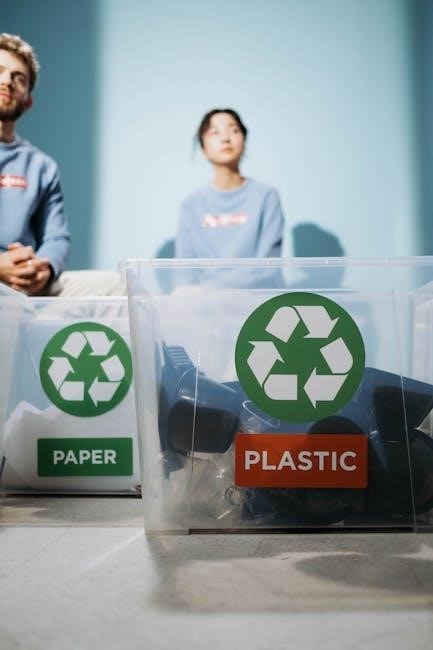
Boise residents can recycle paper, cardboard, specific plastics (types 1 & 2), metal, aluminum cans, and glass bottles/jars, contributing to sustainability efforts.
Accepted Materials: Paper & Cardboard
Boise’s curbside recycling program readily accepts a wide variety of paper and cardboard products, bolstering the city’s commitment to reducing landfill waste and achieving its Carbon Neutral 2050 goal. Accepted paper items include newspapers, magazines, catalogs, office paper, junk mail, and phone books. Flattened cardboard boxes are also enthusiastically welcomed, but please ensure they are free of wax coatings, food residue, and plastic tape.
Importantly, soiled paper products like pizza boxes or paper plates are not accepted, as contamination can compromise the entire recycling batch. Similarly, coated or laminated paper, like that found in some packaging, should be avoided. By diligently sorting and preparing paper and cardboard, Boise residents actively participate in a circular economy, conserving valuable resources and minimizing environmental impact. Remember to break down those boxes!
Accepted Materials: Plastics (Types 1 & 2)
Boise’s recycling program focuses on accepting plastics labeled with the numbers 1 and 2, commonly found in everyday household items, supporting the city’s broader Carbon Neutral 2050 initiative. Plastic bottles and jugs with a #1 code, like those used for water and soda, are readily accepted. Similarly, containers marked with a #2 code, such as milk jugs and detergent bottles, are also recyclable.
However, it’s crucial to remember that only bottles and jugs are accepted; other plastic items, like clamshell containers, plastic bags, or polystyrene foam, are not. All plastics must be rinsed and emptied of their contents before being placed in the recycling bin. Proper sorting ensures the integrity of the recycling process and maximizes resource recovery, contributing to a more sustainable Boise.
Accepted Materials: Metal & Aluminum Cans
Boise’s curbside recycling program enthusiastically accepts both aluminum and steel/tin cans, playing a vital role in the city’s commitment to becoming Carbon Neutral by 2050. This includes beverage cans, soup cans, and vegetable cans – essentially, any metal food or drink container. Aluminum cans are particularly valuable as they can be recycled endlessly without losing quality, conserving significant energy resources.
Before recycling, it’s important to empty cans completely and rinse away any food residue. While labels are generally acceptable, removing them isn’t mandatory. Aerosol cans are accepted only if they are completely empty. Larger metal items, like pots and pans, are not accepted in curbside bins and require specialized recycling options. Proper preparation ensures efficient processing and contributes to a greener Boise.
Accepted Materials: Glass Bottles & Jars
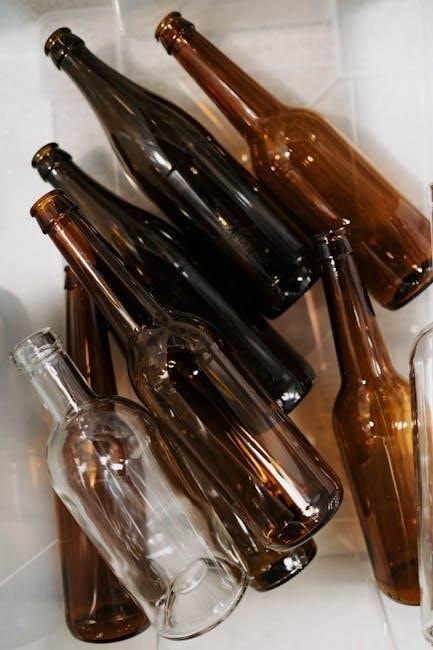
Boise’s recycling program readily accepts glass bottles and jars of all colors – clear, brown, and green – contributing to the city’s ambitious Carbon Neutral 2050 goal. These materials are infinitely recyclable, meaning they can be transformed into new glass products repeatedly without degradation, reducing the need for raw material extraction. Accepted items include beverage bottles, food jars (like pasta sauce or jam), and other similar glass containers.
Prior to recycling, please ensure glass containers are completely emptied of their contents and rinsed to remove any remaining food or liquid. Lids and caps should be removed and recycled separately if possible, or discarded appropriately. Broken glass is not accepted in curbside bins due to safety concerns; specialized disposal methods are required. Recycling glass conserves energy and reduces landfill waste in Boise;
Items NOT Accepted in Boise Recycling
Boise’s recycling program, while comprehensive, has specific limitations to maintain processing efficiency and material quality, supporting the city’s Carbon Neutral 2050 initiative. Certain items contaminate the recycling stream and must be disposed of separately. These include plastic bags (return to grocery stores), Styrofoam, food waste, textiles, and hazardous materials like paint or chemicals.
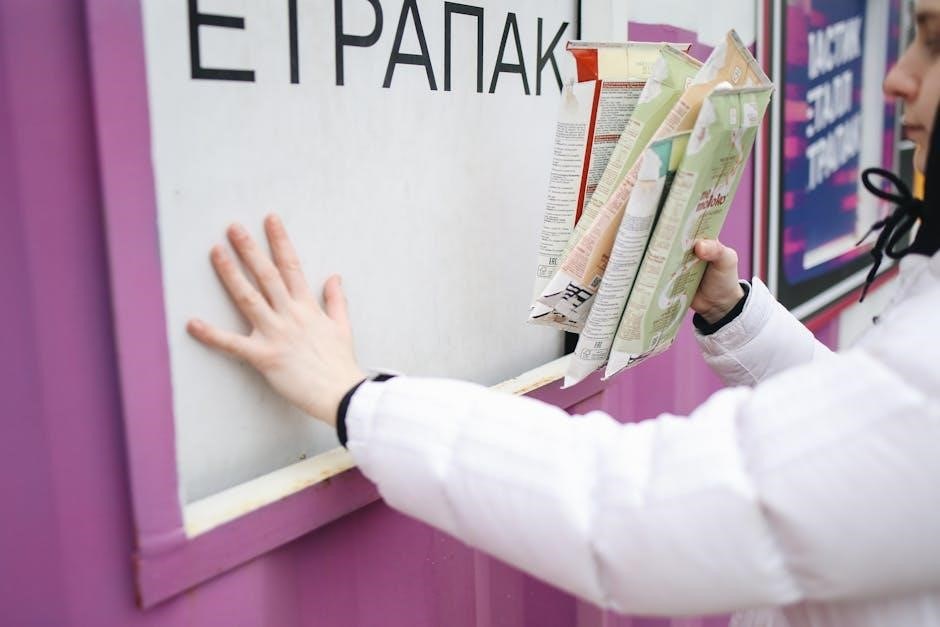
Additionally, items like window glass, mirrors, ceramics, and light bulbs are not accepted due to their different composition than recyclable bottles and jars. Cartons (milk/juice boxes) are generally not accepted curbside, though drop-off options may exist. Contaminated paper or cardboard (greasy pizza boxes) also cannot be recycled. Proper sorting is crucial; when in doubt, throw it out to avoid disrupting the entire recycling process in Boise.

Boise Recycling Programs & Services
Boise offers convenient recycling options, including curbside collection, accessible drop-off centers, and tailored programs for apartments, multi-family homes, and local businesses.
Curbside Recycling Program Details
Boise’s curbside recycling program provides residents with a straightforward way to participate in sustainability efforts. Single-stream recycling is utilized, meaning all accepted materials can be placed together in the provided blue roll-out cart. Collection occurs bi-weekly on designated days, varying by neighborhood – residents can find their specific schedule on the City of Boise’s website or through the RecycleRight app.
Carts should be placed curbside by 7:00 AM on collection day. New residents receive a cart upon establishing service, and replacements are available if needed. The program emphasizes proper preparation of materials (detailed in a separate section) to ensure efficient processing. Contamination – placing non-recyclable items in the cart – can lead to rejected loads and increased costs. Educational resources are readily available to help residents recycle correctly and contribute to Boise’s Carbon Neutral 2050 goal.
Drop-Off Recycling Center Locations
For residents needing alternatives to curbside pickup, or for materials not accepted in the blue carts, Boise offers several conveniently located drop-off recycling centers. The main facility is at the Ada County Landfill, accepting a wider range of materials than curbside programs, including certain plastics and electronics. Additional drop-off locations are strategically placed throughout the city, often at parks or community centers, providing easier access for residents.
These sites generally operate on a self-service basis, with clearly marked bins for different material types. Hours of operation vary by location, so checking the City of Boise’s website before visiting is recommended. Utilizing these drop-off centers supports the city’s commitment to reducing landfill waste and achieving its ambitious Carbon Neutral 2050 target, offering flexibility for all citizens.
Apartment & Multi-Family Recycling
Boise recognizes the unique challenges of recycling in apartment complexes and multi-family dwellings. While curbside service isn’t always feasible, the city mandates that property owners provide adequate recycling options for their tenants. This typically involves centrally located recycling bins for accepted materials, mirroring the curbside program – paper, cardboard, plastics #1 & #2, metal, and glass.
Property managers are responsible for ensuring these bins are accessible, clearly labeled, and regularly serviced. Residents should contact their property management if bins are full or if they have questions about what materials are accepted. Supporting multi-family recycling is crucial to Boise’s overall sustainability goals, contributing significantly to the Carbon Neutral 2050 initiative and reducing landfill contributions.
Commercial Recycling Options
Boise offers a range of recycling solutions tailored for businesses, recognizing their significant contribution to waste generation. Commercial entities are encouraged – and in some cases, required – to implement recycling programs. Options include subscribing to city-provided commercial recycling services, contracting with private waste haulers offering recycling, or self-hauling recyclables to designated drop-off centers.
Accepted materials generally align with the residential program: paper, cardboard, plastics #1 & #2, metal, and glass. Businesses generating substantial recyclable volumes may benefit from customized collection schedules and container sizes. Prioritizing commercial recycling is vital for Boise’s commitment to sustainability and achieving its ambitious Carbon Neutral 2050 target, fostering a greener business community.
Preparing Materials for Recycling
Proper preparation ensures efficient processing; Boise asks residents to rinse containers, remove lids, and flatten cardboard, maximizing recycling effectiveness and minimizing contamination.
Rinsing & Cleaning Recyclables
Boise’s recycling program relies on the cooperation of residents to ensure the quality of collected materials. A crucial step in this process is thoroughly rinsing and cleaning all recyclable containers before placing them in your curbside bin or taking them to a drop-off location. Food residue and liquids can contaminate entire batches of recycling, rendering them unusable and potentially sending them to the landfill.
While items don’t need to be spotless, removing significant food waste – like leftover sauces, yogurt, or grease – is essential. A quick rinse with water is usually sufficient. This simple act significantly improves the efficiency of the recycling process and helps Boise achieve its sustainability goals. Remember, clean recyclables mean a cleaner, greener Boise for everyone!
Removing Lids & Caps
Boise’s recycling guidelines specify that lids and caps should generally be removed from plastic and glass containers before recycling; This is because these components are often made from different types of plastic than the bottles or jars themselves, hindering the recycling process. While seemingly minor, this separation is vital for effective material sorting at the recycling facility.
Empty the contents completely, then detach the lid or cap. While some smaller plastic caps may be acceptable if securely fastened, it’s best practice to remove them. Discard caps separately if they aren’t recyclable – check the label! Following these guidelines ensures that Boise’s recycling stream remains as pure and valuable as possible, contributing to a more sustainable future for the city.
Flattening Cardboard Boxes
Boise residents are strongly encouraged to flatten cardboard boxes before placing them in their curbside recycling bins or taking them to drop-off locations. This simple step significantly increases the efficiency of the recycling process and maximizes space within collection vehicles. Flattened cardboard takes up considerably less volume, allowing for more material to be transported per load, reducing collection frequency and associated emissions.
Break down boxes completely, removing any packing materials like tape or Styrofoam. Stack flattened pieces neatly. This practice is crucial for Boise’s commitment to sustainability and its Carbon Neutral 2050 goal. By cooperating with this request, citizens actively contribute to a more streamlined and environmentally responsible recycling system.

Beyond Curbside: Specialized Recycling
Boise offers specialized recycling options for items not accepted in standard bins, including electronics, yard waste, and hazardous materials, promoting responsible disposal.
Electronics Recycling (E-Waste)
Boise recognizes the growing concern of electronic waste, or e-waste, and provides several avenues for responsible recycling. Due to the hazardous materials contained within electronics – like lead, mercury, and cadmium – simply discarding them in the trash poses significant environmental risks. The City of Boise actively encourages residents to divert e-waste from landfills.
Several local organizations partner with the city to offer convenient e-waste recycling events and drop-off locations. These typically accept items such as computers, monitors, televisions, printers, cell phones, and other small electronic devices. It’s crucial to check with specific locations regarding accepted items and any associated fees. Some retailers also offer take-back programs for certain electronics. Proper e-waste recycling ensures valuable materials are recovered and harmful substances are safely managed, contributing to a healthier environment for the Boise community.
Yard Waste Recycling & Composting
Boise promotes environmentally sound practices for managing yard waste, offering residents options beyond simply discarding leaves, grass clippings, and branches. Composting is highly encouraged as a fantastic way to reduce landfill waste and create nutrient-rich soil for gardens. The city provides resources and workshops to help residents successfully compost at home.
Additionally, Boise offers seasonal yard waste collection programs and designated drop-off locations. These services typically accept materials like leaves, grass clippings, small branches, and garden debris. Residents should verify accepted materials and any preparation requirements (like bagging or bundling) before utilizing these services. Diverting yard waste from landfills reduces methane emissions and conserves valuable landfill space, aligning with Boise’s commitment to sustainability and its Carbon Neutral 2050 goal.
Hazardous Waste Disposal
Boise recognizes the importance of safely managing hazardous waste to protect both public health and the environment; Improper disposal of items like paints, solvents, pesticides, batteries, and motor oil can contaminate soil and water sources. Therefore, the city provides specific programs for residents to responsibly dispose of these materials.
Boise hosts regular Household Hazardous Waste (HHW) collection events throughout the year, offering a convenient and free way for residents to drop off accepted items; These events are staffed by trained professionals who ensure proper handling and disposal. Residents should check the city’s website for event schedules and a comprehensive list of accepted materials. Proper hazardous waste disposal is crucial for achieving Boise’s sustainability goals, including its ambitious Carbon Neutral 2050 initiative, by preventing environmental contamination.
Boise River Greenbelt & Environmental Initiatives
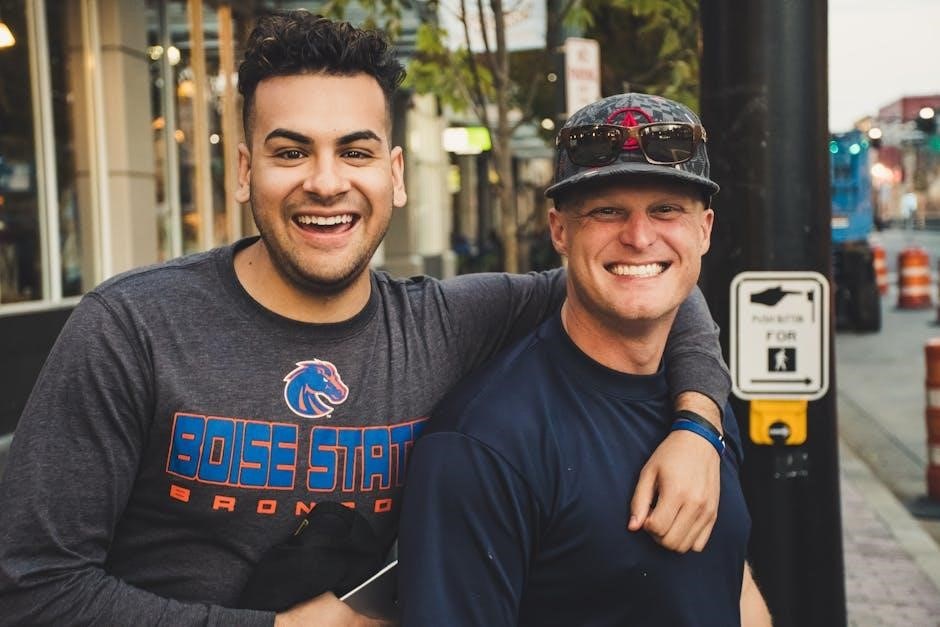
Boise’s Greenbelt exemplifies sustainability, complemented by city-wide environmental goals, including a push towards becoming Carbon Neutral by 2050.
The Boise River Greenbelt’s Role in Sustainability
The Boise River Greenbelt, a remarkable 25-mile pathway along the Boise River, isn’t just a recreational haven; it’s integral to the city’s sustainability efforts. This treasured resource promotes eco-consciousness by encouraging pedestrian and bicycle traffic, reducing reliance on vehicles and lessening carbon emissions. The Greenbelt’s natural landscape also supports biodiversity and provides crucial habitat for local wildlife.
Furthermore, the Greenbelt serves as a visible reminder of the importance of preserving Boise’s natural beauty, fostering a sense of environmental responsibility among residents and visitors alike. Its presence reinforces the city’s commitment to a greener future, aligning perfectly with the ambitious Carbon Neutral 2050 initiative. Regular clean-up events along the Greenbelt further demonstrate community involvement in maintaining a healthy ecosystem, showcasing a collective dedication to environmental stewardship.
City of Boise’s Environmental Goals
The City of Boise has established ambitious environmental goals, most notably achieving Carbon Neutral 2050. This commitment drives numerous initiatives, including expanding recycling programs, promoting renewable energy sources, and enhancing energy efficiency in city operations and the community. A key focus is reducing landfill waste through increased recycling participation and waste reduction strategies.
Boise actively invests in sustainable transportation options, like the Greenbelt and public transit, to lower emissions. The city also prioritizes water conservation and responsible land use planning. These goals aren’t merely aspirational; they are integrated into city policies and budgetary decisions, demonstrating a serious dedication to environmental sustainability. Public awareness campaigns and educational programs further encourage residents to adopt eco-friendly practices, contributing to a collective effort towards a greener Boise.
Resources for Further Information on Boise Recycling
For detailed information regarding Boise’s recycling guidelines, residents can visit the City of Boise’s official website, specifically the Department of Public Works section dedicated to Solid Waste. This online resource provides comprehensive lists of accepted materials, program updates, and answers to frequently asked questions. Additionally, the Ada County Highway District (ACHD) website offers information on roadside collection schedules and potential service disruptions.
Community members can also contact the City of Boise’s customer service line for personalized assistance. Local environmental organizations and sustainability groups often host workshops and events promoting responsible waste management. Exploring “Totally Boise” online can reveal local events focused on sustainability. Staying informed ensures residents can actively participate in Boise’s commitment to a greener future and the Carbon Neutral 2050 initiative.