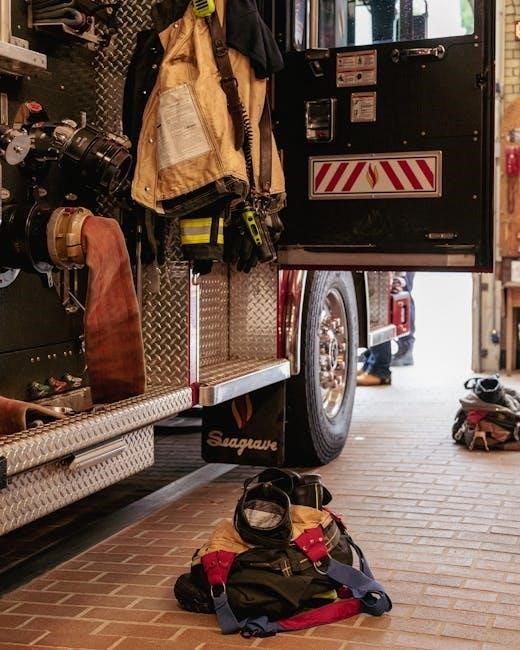
This manual provides crucial guidance for the safe and effective use of Scott Self-Contained Breathing Apparatus (SCBA)․ It details procedures,
maintenance, and regulatory information, ensuring user competency and equipment longevity․
Purpose of the Manual
This Scott SCBA User Manual serves as a comprehensive resource for all personnel involved in the operation, maintenance, and inspection of the Air-Pak X3 Pro SCBA․ Its primary purpose is to ensure the safety and well-being of users by providing clear, concise instructions on proper procedures․ The manual details everything from pre-use checks and donning techniques to emergency protocols and cleaning schedules․
Furthermore, it aims to maximize the lifespan and reliability of the SCBA equipment through diligent maintenance practices․ 3M reserves the right to update this manual, reflecting ongoing improvements and safety enhancements․ Users are cautioned against unauthorized reproduction or disclosure of its contents․ Adherence to the guidelines within this manual is paramount to preventing injury and ensuring effective respiratory protection in hazardous environments․
SCBA Model Covered (Air-Pak X3 Pro)
This manual specifically applies to the Scott Air-Pak X3 Pro Self-Contained Breathing Apparatus (SCBA) model․ It details the features, operation, and maintenance procedures unique to this particular SCBA system․ While the principles of SCBA operation are generally consistent, variations in components and functionality necessitate a model-specific guide;
Users must confirm they are utilizing the Air-Pak X3 Pro before referencing this manual, as instructions may not be applicable to other SCBA models․ 3M continuously strives to improve its products, and this manual reflects the latest specifications available at the time of publication (April 2020, Revision G)․ Any discrepancies or questions regarding compatibility should be directed to 3M customer support at 1-800-247-7257․ Proper identification of the SCBA model is crucial for safe and effective operation․
Important Safety Information
SCBA operation involves inherent risks; strict adherence to safety protocols is paramount․ This equipment protects against hazardous atmospheres, but improper use can lead to serious injury or death․ Always prioritize caution during installation, inspection, operation, and servicing, particularly when handling pressurized air cylinders․
Personnel must receive comprehensive training before using this SCBA․ Be aware of potential electrical shock hazards when working with electronic components․ Exercise care when lifting heavy equipment to prevent strain or injury․ 3M is not liable for damages or injuries resulting from failure to follow these instructions or exercise due care․ This manual details potential dangers, but it’s not exhaustive; users must maintain situational awareness․ Contact 3M with any questions regarding safe operation or regulatory compliance․
SCBA Components & Identification
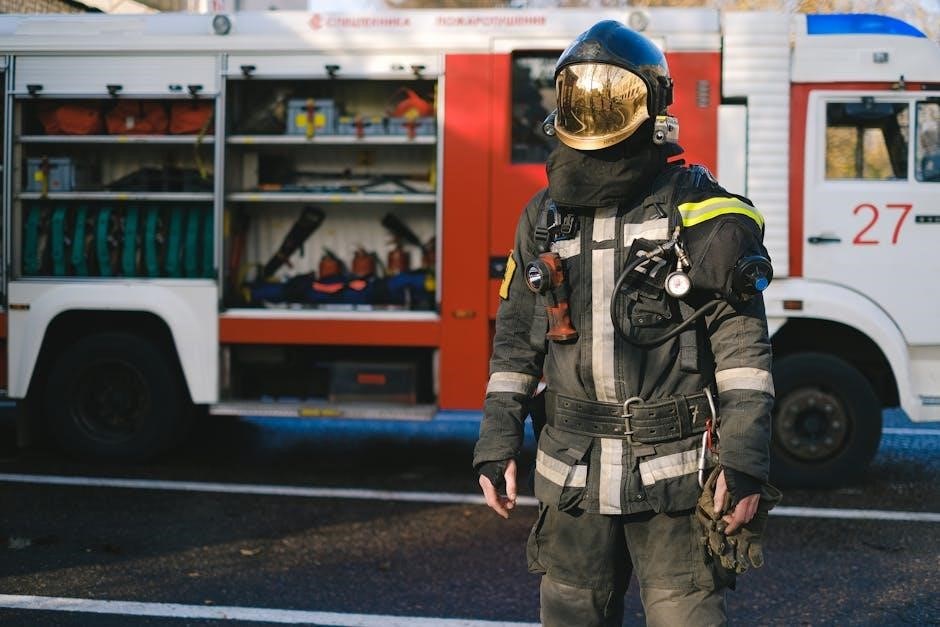
The Scott SCBA system comprises several key components: the facepiece, regulator, cylinder with harness, and the PASS device, each vital for respiratory protection․
Facepiece Assembly
The facepiece assembly forms the critical seal between the user’s face and the SCBA system, ensuring a supply of breathable air․ It typically includes a facepiece shell constructed from durable, chemically resistant materials like silicone or rubber․ A five-point or six-point harness system secures the facepiece comfortably and firmly to the head, distributing pressure evenly․
Proper adjustment of the harness is paramount for a secure fit, preventing leakage and maximizing protection․ The facepiece also incorporates a lens, often coated to resist fogging and scratching, providing a clear field of vision․ Connection points for the regulator are integral to the design, allowing for a secure and airtight attachment․ Regular inspection of the facepiece for cracks, tears, or deterioration is essential before each use, alongside verifying the integrity of the harness straps and buckles․
Regulator Assembly
The regulator assembly is the heart of the SCBA system, responsible for reducing the high-pressure air from the cylinder to a breathable pressure for the user․ It consists of several key components, including a high-pressure hose connecting to the cylinder, a first-stage regulator that initially reduces the pressure, and a second-stage regulator delivering air on demand․
The second-stage regulator features a demand valve, activated by the user’s inhalation, and a bypass valve allowing for a constant flow of air․ A facepiece connection secures the regulator to the facepiece, ensuring a tight seal․ Regular inspection involves checking for leaks, ensuring smooth operation of the demand and bypass valves, and verifying the integrity of the hoses and connections․ Proper functionality of the regulator is vital for consistent and reliable air delivery․
Cylinder & Harness
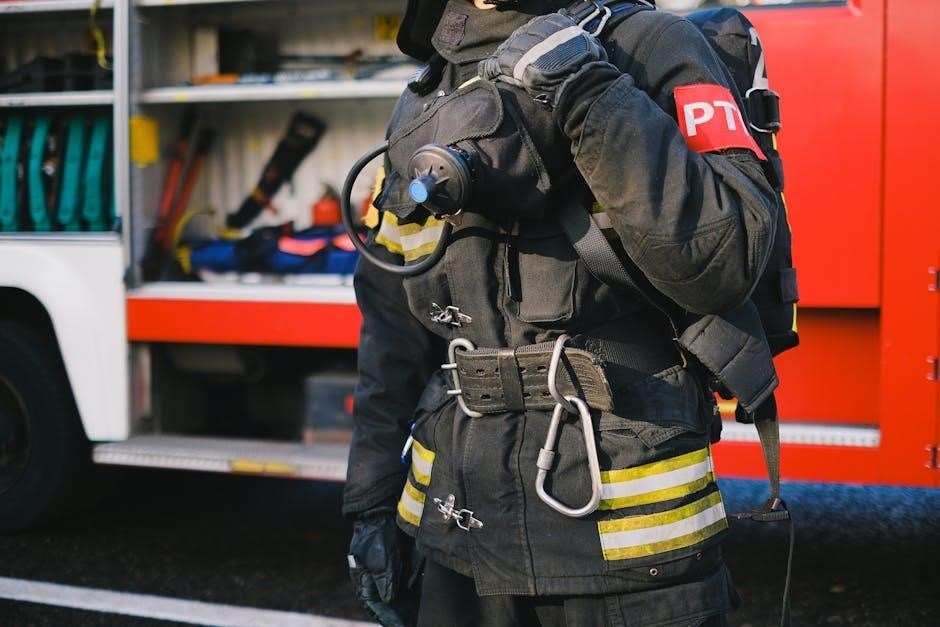
The SCBA cylinder stores compressed breathing air, typically constructed from lightweight aluminum alloy or composite materials․ Cylinders are clearly marked with their service pressure, hydrostatic test date, and manufacturer information․ Regular hydrostatic testing is crucial to ensure cylinder integrity and prevent catastrophic failure․ The harness securely attaches the cylinder to the user’s back, distributing weight for comfortable carrying․
Harness components include shoulder straps, a waist belt, and a backplate․ Inspect the harness for damage, wear, and proper adjustment before each use․ Ensure all buckles and straps are functioning correctly and securely fastened․ Proper cylinder handling and storage are essential; cylinders should be stored upright, secured to prevent tipping, and protected from extreme temperatures․
PASS Device (Personal Alert Safety System)
The Personal Alert Safety System (PASS) is a critical safety feature designed to alert others to a user’s potential distress or lack of motion․ It activates automatically if the user becomes motionless for a pre-set period, emitting a loud audible alarm․ The PASS device is typically integrated into the SCBA harness and requires regular testing to confirm functionality․
Prior to each use, manually activate the PASS device to verify the alarm sounds correctly․ Understand the PASS device’s operational features, including manual activation and deactivation capabilities․ Regularly check the battery level and replace it according to the manufacturer’s recommendations․ The PASS device is not a substitute for proper training and situational awareness, but it provides a vital layer of protection in emergency situations․

Inspection Procedures
Thorough inspection before each use is paramount for SCBA safety and reliability․ This process verifies all components function correctly, protecting the user’s well-being․

Pre-Use Inspection Checklist
Before each use, a meticulous pre-use inspection is absolutely critical․ Begin by verifying the SCBA cylinder pressure is within acceptable limits, ensuring sufficient air supply for the intended task․ Inspect the harness and straps for any signs of wear, damage, or fraying, confirming secure fit and functionality․
Carefully examine the facepiece for cracks, tears, or deterioration of the sealing surfaces, guaranteeing a proper seal․ Check the regulator assembly for any leaks or obstructions, ensuring consistent airflow․ Activate the PASS device (Personal Alert Safety System) to confirm its operational status, vital for emergency situations․
Finally, perform a positive and negative pressure check to verify the integrity of the entire system․ Document all inspection findings and address any deficiencies before proceeding with SCBA use․ A completed checklist confirms adherence to safety protocols and maximizes user protection․
Cylinder Inspection (Pressure & Condition)
Prior to SCBA use, a thorough cylinder inspection is paramount for safety․ Begin by verifying the cylinder pressure gauge reading against the actual fill pressure, ensuring it falls within the manufacturer’s specified range․ Visually inspect the cylinder’s exterior for any signs of physical damage, such as dents, corrosion, or cracks․
Pay close attention to the cylinder valve, checking for smooth operation and the absence of leaks when the valve is opened and closed․ Confirm the cylinder’s hydrostatic test date is current and has not expired, as this is crucial for structural integrity․
Ensure the cylinder is properly secured within the harness and that the valve threads are clean and undamaged․ Never use a cylinder exhibiting any signs of compromise, and immediately remove it from service․ Proper cylinder maintenance extends its lifespan and guarantees reliable air supply․
Regulator Inspection (Functionality & Leaks)
A meticulous regulator inspection is vital before each SCBA use to guarantee proper airflow and prevent potential hazards․ Begin by activating the regulator and listening for consistent airflow, verifying the demand valve responds smoothly to inhalation․ Inspect all connections – to the cylinder, facepiece, and bypass valve – for tightness and the absence of any audible or visible leaks․
Operate the bypass valve to confirm it delivers a continuous flow of air, and then return it to the demand mode; Check the regulator’s housing for cracks or damage․ Ensure all covers and protective caps are securely in place․
Any sign of leakage, erratic airflow, or physical damage necessitates immediate removal of the regulator from service and subsequent professional repair․
Harness & Straps Inspection
Prior to each use, a thorough inspection of the SCBA harness and straps is paramount for secure and comfortable equipment fit, directly impacting user safety․ Carefully examine all straps – shoulder, waist, and leg – for signs of fraying, cuts, abrasions, or excessive wear․ Ensure buckles are present, undamaged, and function correctly, engaging and disengaging smoothly․
Verify that the adjustment straps allow for a snug, yet unrestricted, fit․ Check the harness frame for any cracks, bends, or distortions․ Pay close attention to the areas where the harness connects to the backplate and cylinder․
Any compromised harness component must be replaced immediately to maintain the SCBA’s protective capabilities․
Operation Instructions
Proper SCBA operation demands strict adherence to established procedures, including donning, pressure checks, activation, and emergency protocols․ User proficiency is critical․
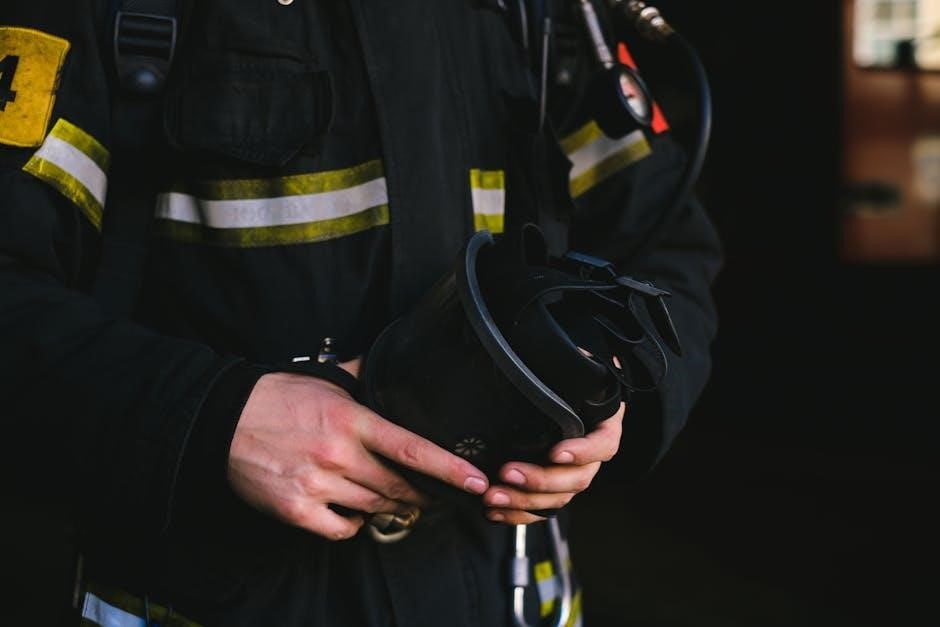
Donning the SCBA
Before donning the Air-Pak X3 Pro SCBA, ensure the facepiece is clean and properly adjusted․ Begin by loosening all straps for easier entry․ Carefully position the facepiece over your head, ensuring a secure and comfortable fit, with the facepiece sealing firmly against your face․
Next, tighten the straps in a sequential manner – first the top strap, then the side straps, and finally the chin strap – to distribute pressure evenly and maintain a leak-tight seal․ Confirm the regulator is securely connected to the facepiece․
Activate the SCBA’s emergency escape system if required during donning․ Finally, verify the harness is properly adjusted and snug against your body, ensuring the cylinder remains stable during movement․ A properly donned SCBA is the first step towards safe respiratory protection․
Performing a Positive & Negative Pressure Check
A crucial step after donning the SCBA is performing both positive and negative pressure checks․ To initiate the positive pressure check, gently inhale while slightly tilting your head back․ You should feel a positive flow of air into the facepiece, confirming the regulator is delivering air correctly․
Next, for the negative pressure check, gently exhale into the facepiece while holding your breath․ The facepiece should collapse slightly against your face, indicating a secure seal and preventing outside air from entering․
If either check fails, immediately readjust the facepiece, straps, or regulator․ Repeat the checks until both pass․ A successful pressure check confirms the SCBA is functioning correctly and provides adequate respiratory protection․
SCBA Activation & Airflow
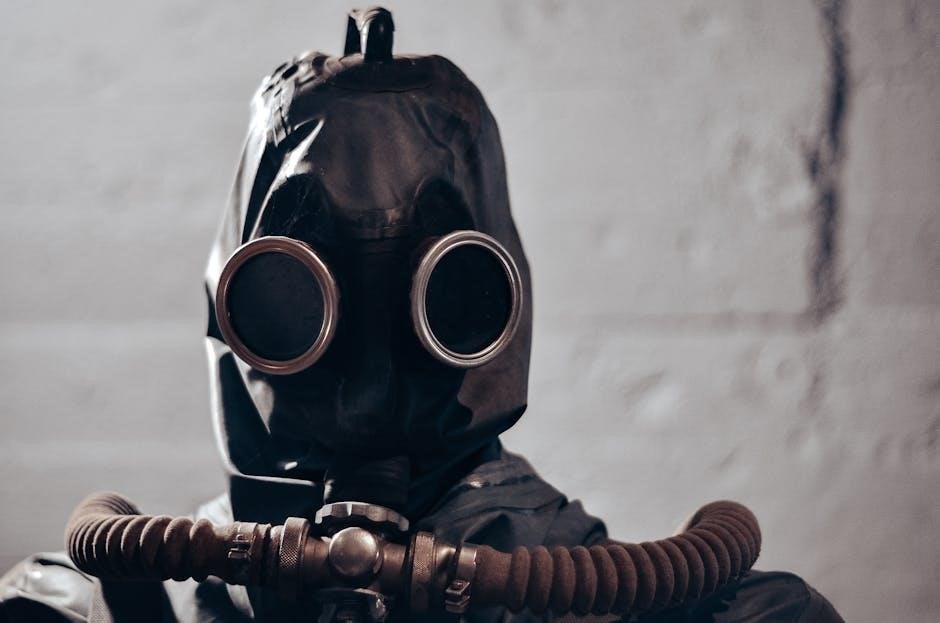
Once the positive and negative pressure checks are confirmed, activate the SCBA by opening the cylinder valve fully․ Listen for the distinct hiss of airflow, indicating the regulator is functioning and delivering air to the facepiece․ Observe the pressure gauge to verify the cylinder contains sufficient air for the intended operation․
Airflow will be on demand, meaning air is delivered only when you inhale․ Normal breathing should feel relatively effortless, though a slight resistance is expected․ Monitor the airflow continuously throughout use, noting any changes in pressure or breathing resistance;
If airflow ceases or becomes significantly restricted, immediately follow emergency procedures, including alerting your team and evacuating the hazardous environment․
Emergency Procedures (Mid-Use Failures)
In the event of SCBA failure during use, immediately alert your team via radio communication․ If airflow stops or becomes severely restricted, activate the PASS device to signal your location․ Attempt to identify the cause of the failure, but do not waste valuable time troubleshooting․
Initiate an emergency evacuation, maintaining situational awareness and following established protocols․ If possible, close the cylinder valve to conserve remaining air․ Utilize your training to calmly and efficiently exit the hazardous atmosphere․
Post-incident, report the failure to your supervisor and participate in a thorough investigation to prevent recurrence․ Remember, prompt action and adherence to emergency procedures are critical for survival․
Maintenance & Cleaning
Regular maintenance and thorough cleaning are vital for SCBA reliability and longevity․ Following the recommended schedule ensures optimal performance and user safety at all times․
Recommended Cleaning Schedule
To maintain optimal performance and hygiene, a consistent cleaning schedule is paramount․ After each use, the facepiece, regulator, and harness should undergo a preliminary wipe-down with a damp cloth to remove debris and contaminants․ A more thorough cleaning, including disinfection, is recommended weekly or after each significant incident exposure․
The facepiece requires particular attention, utilizing a mild soap and water solution, followed by a 3M-approved disinfectant․ Avoid harsh chemicals that could degrade the materials․ The regulator assembly should be inspected for any buildup and cleaned according to 3M’s specific guidelines, ensuring proper airflow isn’t obstructed․
Harness straps should be cleaned with a mild detergent and inspected for wear and tear․ Cylinder exteriors can be wiped clean, but internal maintenance should only be performed by qualified personnel․ Adhering to this schedule extends the SCBA’s lifespan and safeguards user health․
Facepiece Cleaning & Disinfection
Thorough facepiece cleaning and disinfection are critical for user safety and hygiene․ Begin by disconnecting the facepiece from the regulator and removing all loose debris․ Wash the facepiece with lukewarm water and a mild, non-abrasive soap, gently scrubbing all surfaces, including the sealing area and exhalation valve․
Rinse thoroughly to remove all soap residue․ Next, disinfect the facepiece using a 3M-approved disinfectant solution, following the manufacturer’s instructions for contact time and concentration․ Ensure complete coverage, paying close attention to areas that contact the skin․
After disinfection, rinse again with potable water and allow the facepiece to air dry completely in a clean, well-ventilated area․ Inspect the facepiece for any damage or deterioration before each use․ Avoid using harsh chemicals or solvents, as they can damage the materials and compromise the seal․
Regulator Maintenance
Regular regulator maintenance ensures reliable airflow and optimal performance of the SCBA system․ After each use, visually inspect the regulator for any signs of damage, such as cracks, leaks, or loose connections․ Wipe down the exterior with a damp cloth to remove dirt and debris․
Periodically, the regulator should be disassembled and inspected by a qualified technician․ This includes checking the valve seats, o-rings, and filters for wear or damage․ Replace any worn or damaged components with genuine 3M replacement parts․
Lubricate o-rings with a silicone-based lubricant to maintain a proper seal․ Never use petroleum-based lubricants, as they can damage the regulator materials․ Perform a functional test after reassembly to verify proper operation and airflow․ Follow the manufacturer’s recommended maintenance schedule for optimal performance․
Cylinder Storage & Handling
Proper cylinder storage and handling are paramount for safety and longevity․ Store cylinders upright, secured to prevent tipping, in a cool, dry, well-ventilated area away from direct sunlight, heat sources, and corrosive materials․ Ensure the cylinder valve is protected with a suitable cap when not in use․
Never store cylinders near flammable substances or in confined spaces․ Regularly inspect cylinders for dents, corrosion, or other damage․ Hydrostatic testing must be performed according to DOT regulations and 3M’s recommendations․
When transporting cylinders, use appropriate hand trucks or carts designed for this purpose․ Avoid dropping or subjecting cylinders to impact․ Always follow all applicable local, state, and federal regulations regarding cylinder storage and transportation․
Regulatory Compliance & Warnings
This SCBA is subject to US export laws and regulations; adherence is crucial․ 3M disclaims liability for misuse or failure to follow instructions․
US Export Laws & Regulations
The international transportation of this SCBA equipment, along with any accompanying documentation, is strictly governed by United States export control laws and regulations․ These regulations are designed to ensure national security and prevent unauthorized access to sensitive technologies․ Furthermore, the import and export of this equipment may also be subject to the laws and regulations of the countries involved in the transaction․
It is the responsibility of the user to ensure full compliance with all applicable export and import regulations․ If you have any questions or concerns regarding these complex regulations, or if you require clarification on specific export licensing requirements, 3M strongly encourages you to contact them directly at 1-800-247-7257 (or 704-291-8300 if calling from outside the continental United States)․ Seeking guidance from 3M can help avoid potential legal issues and ensure a smooth international transaction․
3M Liability Disclaimer
3M explicitly states that it shall not be held liable for any damages or injuries resulting from a user’s failure to adhere to the instructions detailed within this manual․ This includes, but is not limited to, improper installation, inadequate inspection procedures, negligent operation, or insufficient servicing of the SCBA equipment․ Users are expected to exercise due care and caution at all times․
Specifically, caution must be observed when handling pressurized air cylinders and when working with electronic components where electrical shock hazards may exist․ Furthermore, safe lifting and hoisting practices should always be employed when handling heavy equipment․ 3M’s disclaimers encompass any consequences arising from modifications or unauthorized alterations to the SCBA․ Reliance on this equipment is contingent upon strict adherence to the provided guidelines, and deviations may void any implied warranties․