
Understanding Iliotibial (IT) Band Syndrome
Iliotibial band syndrome‚ a frequent ailment among runners‚ induces knee and hip discomfort; effective management necessitates understanding its origins and employing targeted stretches.
What is the Iliotibial Band?
The iliotibial (IT) band is a robust‚ thick band of fibrous tissue extending from the pelvic bone‚ running along the outer thigh‚ and attaching just below the knee. It’s not a muscle itself‚ but rather a tendon – a strong‚ elastic tissue connecting muscles to bone. This crucial structure plays a vital role in stabilizing the knee and hip during movement‚ particularly during activities like running‚ cycling‚ and walking;
Essentially‚ it functions to prevent the lateral (outer) knee from buckling inward. However‚ the IT band isn’t particularly stretchy; it’s designed for strength and stability. Its function is to help with leg extension‚ flexion‚ and rotation at both the hip and knee joints. Understanding its anatomy is key to grasping how IT band syndrome develops and how to effectively address it.
Causes of IT Band Syndrome
IT band syndrome arises from friction between the IT band and the lateral femoral epicondyle – the bony prominence on the outer knee. This friction isn’t usually due to the IT band being “tight‚” but rather from repetitive bending and straightening of the knee during activities like running. Several factors contribute‚ including improper biomechanics‚ such as overpronation (foot rolling inward)‚ weak hip abductors‚ and inadequate flexibility.
Increased training intensity or sudden changes in activity level can also overload the IT band. Poor footwear lacking sufficient support exacerbates the issue. Anatomical variations‚ like leg length discrepancies‚ can contribute. Essentially‚ anything that increases stress on the IT band and its surrounding tissues can trigger inflammation and pain. Addressing these underlying causes is crucial for effective treatment.
Common Symptoms of IT Band Syndrome
IT band syndrome typically manifests as pain on the outer side of the knee‚ often described as a burning or stinging sensation. This pain usually begins during activity and may subside with rest‚ initially. However‚ as the condition progresses‚ pain can occur even at rest and radiate up the thigh. Runners often experience a sharp‚ localized pain at the point where the IT band rubs over the femur.
Swelling or tenderness along the outer knee is common; Some individuals may also experience clicking or snapping sensations. Pain often worsens during downhill running or when the foot strikes the ground. Ignoring these early symptoms can lead to chronic pain and limited range of motion. Accurate symptom recognition is vital for prompt intervention.

Diagnosis and Assessment
Accurate diagnosis involves a thorough physical examination‚ evaluating pain location‚ range of motion‚ and specific tests to pinpoint the source of discomfort.
Physical Examination Techniques
A comprehensive physical exam is crucial for diagnosing IT band syndrome. Healthcare professionals often employ several techniques to assess the condition accurately. Palpation along the iliotibial band identifies areas of tenderness‚ a hallmark symptom. The Ober’s test assesses IT band tightness; a tight band restricts knee adduction.
The Noble compression test replicates pain by applying pressure over the lateral femoral epicondyle during knee flexion. Range of motion assessments evaluate any limitations or pain during movement. Observing the patient’s gait can reveal biomechanical issues contributing to the syndrome. These techniques‚ combined with a detailed patient history‚ help establish a definitive diagnosis and guide appropriate treatment strategies. Careful evaluation differentiates IT band syndrome from other potential causes of lateral knee pain.
Ruling Out Other Conditions
Accurate diagnosis requires differentiating IT band syndrome from conditions mimicking its symptoms. Meniscal tears‚ often causing clicking or locking sensations‚ must be excluded through specific tests like the McMurray test. Lateral collateral ligament (LCL) injuries present with instability‚ unlike the friction-based pain of ITBS.
Patellofemoral pain syndrome (PFPS) can also cause lateral knee discomfort‚ but typically originates from the kneecap. Bursitis‚ specifically pes anserinus bursitis‚ presents with pain lower down the leg. Radiographic imaging‚ like X-rays‚ can rule out structural abnormalities. A thorough assessment‚ considering the patient’s history and physical exam findings‚ is vital to ensure correct diagnosis and avoid misdirected treatment. Proper differentiation ensures optimal patient care and recovery.
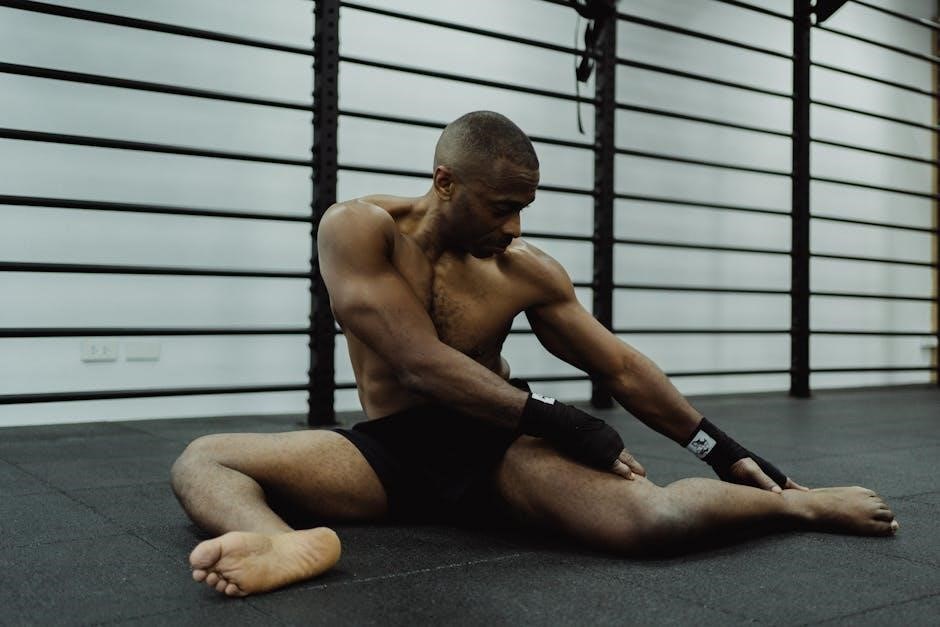
Stretching Exercises for IT Band Syndrome Relief
Targeted stretches are crucial for alleviating IT band syndrome; consistent performance enhances flexibility and reduces friction‚ easing discomfort and promoting quicker recovery;
Standing IT Band Stretch
To perform this stretch‚ stand with the affected side closest to a wall or stable support. Cross the affected leg behind the other‚ creating a slight crossover. Lean towards the support‚ keeping your back straight and core engaged. You should feel a stretch along the outside of your hip and thigh.
Hold this position for approximately 30 seconds‚ ensuring you maintain a consistent‚ gentle stretch. Avoid bouncing or jerking movements. Repeat the stretch 2-3 times on each side. This stretch effectively targets the IT band‚ improving its flexibility and reducing tension. Proper form is essential to maximize benefits and prevent further injury. Remember to breathe deeply throughout the exercise‚ promoting relaxation and enhancing the stretch.
Lying IT Band Stretch
Begin by lying on your side with the affected leg extended straight and the other leg bent for stability. Reach across your body with the arm on the same side as the extended leg‚ and gently pull your knee towards your chest. Simultaneously‚ extend the top leg straight up towards the ceiling‚ or slightly crossed over the bottom leg.
You should feel a stretch along the outer thigh and hip of the extended leg. Hold this position for 30 seconds‚ breathing deeply and maintaining a relaxed posture. Repeat 2-3 times on each side. This stretch is beneficial for increasing IT band flexibility while lying comfortably. Ensure a controlled movement to avoid overstretching.
Foam Rolling for IT Band Release
Position yourself sideways with the foam roller placed under the outside of your thigh‚ starting just above the knee. Support your weight with your forearm and the opposite leg. Slowly roll your body along the IT band‚ moving from the knee towards the hip.
Focus on areas that feel particularly tight or tender; pause on these spots for 20-30 seconds‚ breathing deeply. Avoid rolling directly over the knee joint. Continue rolling for 1-2 minutes per leg. Foam rolling helps release tension and improve flexibility in the IT band and surrounding muscles. It’s a self-massage technique for targeted relief.

Strengthening Exercises for Supporting Muscles
Robust gluteal and hip muscles are crucial for stabilizing the pelvis and reducing IT band stress; strengthening these areas supports proper biomechanics.
Gluteus Maximus Strengthening
The gluteus maximus‚ the largest muscle in the buttocks‚ plays a vital role in hip extension‚ external rotation‚ and pelvic stabilization – all critical for mitigating IT band syndrome. Weakness in this muscle contributes significantly to altered biomechanics‚ increasing stress on the IT band.
Exercises like glute bridges are excellent for activation. Lie on your back with knees bent and feet flat‚ then lift your hips off the ground‚ squeezing your glutes at the top. Single-leg glute bridges increase the challenge. Hip thrusts‚ utilizing a bench for support‚ provide a greater range of motion and resistance.
Squats and lunges‚ performed with proper form‚ also engage the gluteus maximus. Focus on driving through your heels and maintaining a neutral spine. Incorporating resistance bands around the thighs further enhances gluteal activation during these exercises‚ promoting optimal strength and stability.
Hip Abductor Strengthening
Strengthening the hip abductors – gluteus medius and minimus – is paramount in addressing IT band syndrome‚ as these muscles control pelvic and leg alignment during movement. Weakness leads to hip adduction and internal rotation‚ exacerbating IT band tension.
Side-lying leg lifts are a foundational exercise. Lie on your side with legs straight‚ then lift the top leg‚ keeping it in line with your body. Adding ankle weights increases the challenge. Clamshells‚ performed with a resistance band around the knees‚ target the gluteus medius specifically.
Standing hip abduction exercises‚ using a resistance band or cable machine‚ further enhance strength. Maintaining a stable core and avoiding trunk rotation are crucial for proper form. Consistent hip abductor strengthening helps restore optimal biomechanics and reduce stress on the IT band‚ promoting pain relief and preventing recurrence.
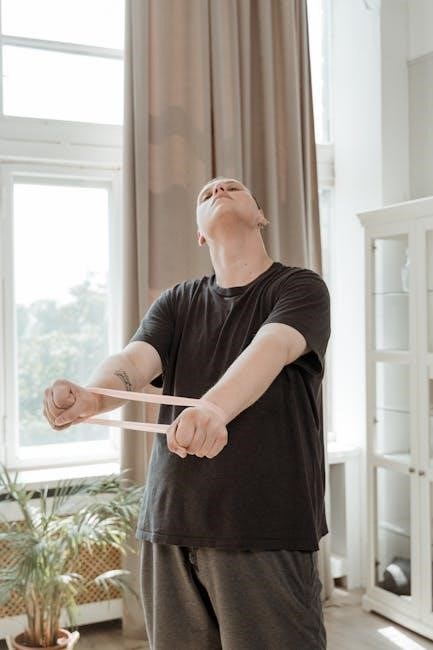
Rehabilitation Protocol & Phases
A structured rehabilitation‚ encompassing acute inflammation reduction‚ flexibility restoration‚ and progressive strengthening‚ is vital for successful IT band syndrome recovery and preventing re-injury.

Phase I: Acute Phase ― Reducing Inflammation
The initial phase focuses on minimizing pain and swelling associated with IT band syndrome. Rest from aggravating activities‚ like running‚ is paramount. Implementing the RICE protocol – Rest‚ Ice‚ Compression‚ and Elevation – is crucial. Apply ice packs for 15-20 minutes several times daily to the affected area. Gentle range-of-motion exercises‚ avoiding those that exacerbate pain‚ can help maintain some mobility.
Avoid aggressive stretching during this stage‚ as it could worsen inflammation. Focus on pain management and creating an environment conducive to healing. A physiotherapist may utilize modalities like ultrasound or electrical stimulation to further reduce inflammation and pain. This phase typically lasts until pain subsides significantly‚ allowing progression to the next stage.
Phase II: Flexibility & Strengthening Phase
Transitioning from acute care‚ this phase emphasizes restoring flexibility and building strength in supporting muscles. Begin incorporating gentle IT band stretches‚ like the standing and lying variations‚ holding each for 30 seconds. Foam rolling the IT band and surrounding tissues can also improve flexibility‚ but proceed cautiously‚ avoiding direct pressure on the band itself.
Strengthening exercises targeting the gluteus maximus and hip abductors are vital for stabilizing the pelvis and reducing stress on the IT band. Include exercises like hip thrusts‚ clamshells‚ and side leg raises. Gradually increase the intensity and duration of exercises as tolerated‚ monitoring for any recurrence of pain. A progressive approach is key to successful rehabilitation.
Prevention Strategies
Proactive measures‚ including consistent warm-ups‚ cool-downs‚ and appropriate footwear‚ are crucial for preventing IT band syndrome and maintaining optimal biomechanics.
Proper Warm-up and Cool-down Routines
Prior to activity‚ a dynamic warm-up prepares muscles for exertion‚ enhancing flexibility and reducing injury risk. Include leg swings‚ high knees‚ and butt kicks to activate the glutes and hip abductors – key stabilizers for the IT band.
Following exercise‚ a static cool-down is essential. Holding stretches for 30 seconds targets the IT band‚ quads‚ hamstrings‚ and calves. This improves flexibility and minimizes muscle soreness.
Consistent routines‚ incorporating both dynamic and static elements‚ are paramount. Neglecting these phases can contribute to muscle imbalances and increase susceptibility to IT band syndrome. Remember‚ prevention is always preferable to treatment‚ and dedicated warm-up/cool-down practices are foundational.
Footwear and Biomechanics Considerations
Appropriate footwear is crucial; worn-out or ill-fitting shoes can exacerbate biomechanical issues contributing to IT band syndrome. Seek shoes offering adequate cushioning and support‚ tailored to your foot type and running style. Consider a gait analysis to identify pronation or supination patterns.
Biomechanical factors‚ like leg length discrepancies or excessive pronation‚ can strain the IT band. Orthotics may be beneficial to correct these imbalances and improve alignment.
Running surface also plays a role. Avoid consistently running on cambered roads‚ favoring softer‚ more even terrain. Addressing these factors‚ alongside stretching and strengthening‚ provides a holistic approach to preventing and managing IT band syndrome.

When to Seek Professional Help
Persistent pain despite self-treatment warrants professional evaluation; a physiotherapist or surgeon can accurately diagnose and guide a tailored rehabilitation plan.
Consulting a Physiotherapist
A physiotherapist’s expertise is invaluable for IT band syndrome‚ offering a comprehensive assessment to pinpoint the precise cause of your discomfort. They will analyze your biomechanics‚ running form‚ and muscle imbalances contributing to the issue. Expect a personalized treatment plan encompassing specific stretching and strengthening exercises‚ tailored to your needs‚ going beyond general recommendations found in a simple stretches PDF.
Furthermore‚ a physiotherapist can employ manual therapy techniques – like soft tissue mobilization – to release tension in the IT band and surrounding muscles. They’ll also educate you on proper warm-up and cool-down routines‚ and potentially advise on footwear or orthotics. Crucially‚ they monitor your progress‚ adjusting the program as needed to ensure optimal recovery and prevent recurrence‚ something a static PDF cannot provide.
Potential for Surgical Intervention
Surgical intervention for Iliotibial (IT) Band Syndrome is exceedingly rare‚ generally reserved as a last resort when conservative treatments – including a dedicated regimen of stretches‚ as often detailed in IT band syndrome stretches PDFs – consistently fail to provide relief. Surgery isn’t about “fixing” the IT band itself‚ as it doesn’t shorten or change significantly with treatment.
Instead‚ procedures might address underlying biomechanical issues contributing to the friction. These could involve releasing the IT band where it snaps over the lateral femoral epicondyle‚ or correcting structural abnormalities. However‚ the success rate isn’t guaranteed‚ and rehabilitation post-surgery is extensive. Therefore‚ a thorough exploration of physiotherapy‚ stretching‚ and biomechanical adjustments remains the primary approach‚ making surgery a seldom-considered option.