
Handwriting Without Tears Teacher Guide: A Comprehensive Plan
Handwriting Without Tears offers a multi-sensory approach‚ utilizing program guides‚ charts‚ and digital resources for effective instruction.
This comprehensive plan supports educators in teaching handwriting skills‚ fostering student success through structured lessons and engaging activities.
The curriculum emphasizes developmental order‚ proper letter formation‚ and integration with other subjects‚ ensuring a holistic learning experience.
Handwriting Without Tears (HWT) is a widely recognized‚ multi-sensory curriculum designed to teach handwriting skills to students of all abilities. Unlike traditional methods that often focus on rote memorization‚ HWT emphasizes a developmental approach‚ building foundational skills in a logical and progressive manner. This program acknowledges that handwriting is a complex skill‚ requiring not only fine motor control but also visual-motor integration‚ tactile awareness‚ and cognitive understanding.
The core philosophy of HWT centers around making handwriting enjoyable and accessible for young learners. It achieves this through engaging activities‚ manipulatives‚ and a focus on proper letter formation from the very beginning. The program’s materials are thoughtfully designed to support various learning styles‚ catering to kinesthetic‚ visual‚ and auditory learners alike.
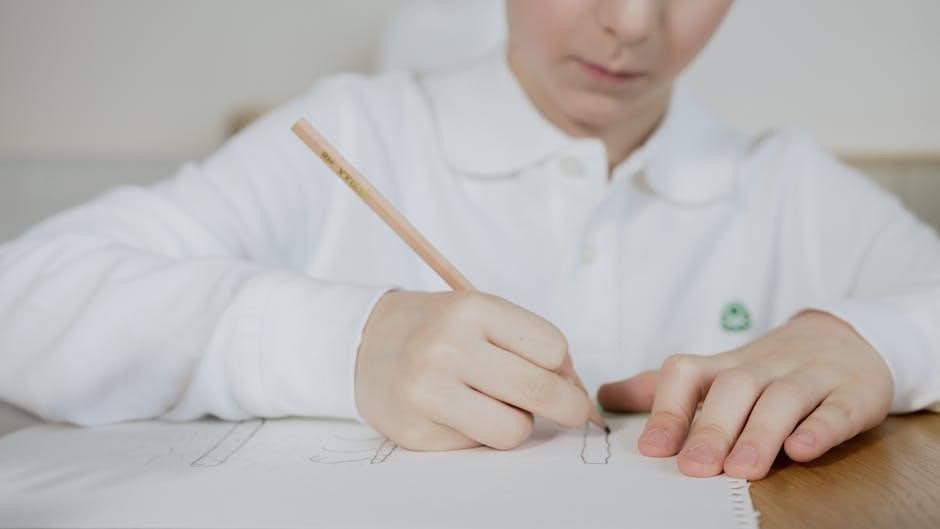
HWT isn’t just about forming letters correctly; it’s about building a strong foundation for written communication. It aims to develop automaticity in letter formation‚ freeing up cognitive resources for higher-level writing tasks like composition and content creation. The program’s effectiveness is supported by research and positive feedback from educators and parents‚ making it a trusted choice for handwriting instruction.
The Developmental Teaching Order in HWT
Handwriting Without Tears (HWT) employs a carefully sequenced “Developmental Teaching Order” designed to maximize student success. This order isn’t arbitrary; it’s based on research into how children naturally develop the skills necessary for handwriting. The program begins with pre-writing skills‚ focusing on gross motor movements and building upper body strength – essential for control and stability.
Initially‚ students engage in activities like skywriting‚ using large arm movements to form letter shapes in the air. This transitions to tabletop wet-dry trace boards‚ allowing for tactile reinforcement of letter formation. Capital letters are introduced before lowercase‚ as their simpler shapes are easier for young learners to master.

Lowercase letters are then taught in groups based on formation similarities‚ minimizing cognitive load. For example‚ letters with a ‘c’ shape are introduced together. The program progressively introduces joining vowels and words‚ building towards fluency and automaticity. This systematic approach ensures students build a solid foundation‚ preventing frustration and fostering confidence. The HWT order prioritizes ease of learning and skill retention.
HWT Materials: A Detailed Overview
Handwriting Without Tears provides a comprehensive suite of materials designed to support multi-sensory learning. Core components include the Program Guide‚ offering detailed lesson plans and instructional strategies. Letter Formation Charts are crucial visual aids‚ demonstrating correct stroke order for both capital and lowercase letters.
Wood pieces – chunky‚ tactile manipulatives – allow students to physically build letters‚ reinforcing shape recognition and muscle memory. Wet-Dry Trace Boards provide a surface for practicing letter formation with a short pencil‚ offering immediate feedback. Workbooks offer supplemental practice‚ reinforcing skills learned through direct instruction.
Beyond these basics‚ HWT offers specialized tools like Roll & Write dice for engaging practice‚ and Building Sentences materials to encourage composition. Digital resources‚ including interactive activities and YouTube support‚ extend learning beyond the classroom. These materials are thoughtfully designed to cater to diverse learning styles and promote a positive handwriting experience.
Letter Formation: Capital Letters
Handwriting Without Tears introduces capital letters following a specific developmental order‚ prioritizing ease of formation. Instruction begins with letters composed of straight lines – L‚ T‚ and I – building foundational skills. These letters are easily mastered‚ providing early success and confidence.

Next‚ letters incorporating curves are introduced‚ such as C‚ O‚ and S. Students learn to combine straight lines and curves‚ gradually increasing complexity. The program emphasizes proper starting points and stroke sequences‚ utilizing Letter Formation Charts as visual guides.
Tactile materials‚ like wood pieces‚ allow students to physically recreate capital letters‚ reinforcing muscle memory. Wet-Dry Trace activities provide opportunities for repeated practice‚ solidifying correct formation. Consistent modeling and positive reinforcement are key to success. The goal is to establish automaticity in capital letter formation‚ preparing students for lowercase letter introduction.

Letter Formation: Lowercase Letters
Handwriting Without Tears approaches lowercase letter formation systematically‚ building upon the skills established with capital letters. The program begins with letters sharing similar components‚ like ‘c’‚ ‘o’‚ ‘a’‚ and ‘d’‚ minimizing cognitive load. Students learn to recognize and reproduce these foundational shapes efficiently.
Next‚ letters requiring more complex strokes‚ such as ‘e’‚ ‘l’‚ ‘h’‚ and ‘t’‚ are introduced. Emphasis is placed on proper ascenders and descenders‚ ensuring consistent letter size and spacing. Wet-Dry Trace activities continue to be valuable for reinforcing correct formation and developing muscle memory.
Letter Formation Charts serve as visual references‚ guiding students through each stroke. Tactile exploration with wood pieces further enhances understanding. The program also incorporates skywriting to promote gross motor skill development‚ linking large muscle movements to fine motor control. Consistent practice and positive feedback are crucial for mastering lowercase letter formation.

Multi-Sensory Approach to Letter Learning
Handwriting Without Tears fundamentally relies on a multi-sensory approach‚ recognizing that students learn best when multiple senses are engaged. This method moves beyond traditional rote memorization‚ fostering deeper understanding and retention of letter forms.
The program integrates visual‚ auditory‚ kinesthetic‚ and tactile modalities. Students see letters on charts and in workbooks‚ hear the verbal cues for formation‚ feel the shapes with wood pieces‚ and move their bodies during skywriting.
Wet-Dry Trace activities combine tactile and visual input‚ allowing students to physically trace letters while simultaneously observing the correct formation. This kinesthetic element is vital for building muscle memory. The use of music and rhymes further enhances auditory engagement.
By appealing to diverse learning styles‚ HWT ensures that all students have opportunities to succeed‚ creating a more inclusive and effective learning environment.
Wood Pieces & Letter Formation
Handwriting Without Tears utilizes specialized wood pieces as a cornerstone of its tactile learning approach. These aren’t simply blocks; they are carefully designed to represent the key components of letter shapes – curves‚ straight lines‚ and angles.
Students physically manipulate these wood pieces on a vertical surface‚ building letters from the ground up. This kinesthetic activity reinforces the understanding of letter construction and promotes muscle memory. The vertical surface mimics the proper posture for handwriting‚ further aiding in development.
The wood pieces allow students to deconstruct letters into their basic forms‚ making the learning process less daunting. They can experiment with different combinations‚ fostering creativity and problem-solving skills.
This hands-on experience is particularly beneficial for students who struggle with visual-motor integration or have difficulty abstracting letter shapes. The tactile feedback provided by the wood pieces solidifies their understanding of letter formation.

Wet-Dry Trace & Letter Practice
Handwriting Without Tears incorporates “Wet-Dry Trace” as a fundamental practice technique‚ building crucial pre-writing skills and letter formation mastery. This method involves tracing letters first with a wet medium – typically water applied with a finger or a sponge – on a special slick surface.
The wet tracing provides immediate tactile and visual feedback‚ allowing students to feel the shape of the letter as they trace it. As the water evaporates‚ the letter disappears‚ encouraging repetition and reinforcing muscle memory. This “dry” tracing then follows‚ using a finger or crayon.
This progression from wet to dry trace helps students transition from multi-sensory exploration to independent letter formation. It’s a low-pressure activity‚ minimizing frustration and building confidence.
Workbooks and dedicated surfaces are designed for this technique‚ offering pre-printed letters for tracing. The method is adaptable‚ allowing teachers to customize practice based on individual student needs and skill levels‚ solidifying letter recognition and proper stroke order.
Skywriting for Gross Motor Skills
Handwriting Without Tears uniquely integrates “Skywriting” as a vital component for developing gross motor skills essential for handwriting success. This activity involves students using their entire arm to form letters in the air‚ promoting large muscle movements and body awareness.
Skywriting helps establish the muscle memory of letter shapes before transitioning to smaller‚ more controlled movements on paper. It’s a kinesthetic activity‚ engaging students’ bodies and reinforcing the concept of letter formation in a dynamic way.

Teachers model the letter formations‚ and students then imitate‚ using their arms to “write” large letters in the air. This builds spatial awareness and strengthens the shoulder‚ arm‚ and wrist muscles needed for precise handwriting.
Skywriting is particularly beneficial for students who struggle with fine motor control or have difficulty visualizing letter shapes. It’s a fun‚ engaging activity that can be easily incorporated into daily lessons‚ preparing students physically and mentally for successful handwriting practice.
Tabletop Wet-Dry Trace Activities
Handwriting Without Tears utilizes “Tabletop Wet-Dry Trace” as a crucial step in solidifying letter formation. This multi-sensory activity involves students tracing letters first with a wet sponge on a special tabletop surface‚ then immediately tracing the same letter again with a dry sponge.
The wet sponge provides tactile feedback‚ allowing students to physically feel the shape of the letter as they trace it. The transition to the dry sponge encourages muscle memory‚ as students attempt to recreate the letter formation without the wet resistance.
This process reinforces the correct stroke order and helps students internalize the motor plan for each letter. The tabletop surface is designed to provide just enough friction for effective tracing‚ while remaining easy to clean and reuse.
Tabletop Wet-Dry Trace is a highly effective technique for students of all learning styles‚ particularly those who benefit from kinesthetic and tactile input. It bridges the gap between large motor skywriting and smaller-scale pencil-and-paper practice‚ building confidence and skill.
Building Words with HWT Materials
Handwriting Without Tears seamlessly transitions from letter formation to word building‚ utilizing the program’s unique materials to enhance this process. Once students demonstrate proficiency with individual letter shapes‚ educators can introduce simple CVC (consonant-vowel-consonant) words.
The wooden pieces – lowercase letters‚ capital letters‚ and slanted lines – become invaluable tools for physically constructing words. Students manipulate these pieces on a tabletop or felt board‚ arranging them in the correct sequence to spell out target words like “cat‚” “dog‚” or “sun.”
This hands-on approach reinforces phonemic awareness and the relationship between letters and sounds. It also allows students to visually and kinesthetically experience the structure of words. The tactile nature of the wooden pieces caters to diverse learning styles.
As students become more confident‚ educators can introduce longer and more complex words‚ gradually building their spelling and handwriting skills. This activity fosters a playful and engaging learning environment‚ making word building both fun and educational.
Sentence Building & Composition
Handwriting Without Tears extends beyond individual word formation to encompass sentence construction and basic composition skills. Building upon the foundation of letter and word mastery‚ students begin to combine words to express complete thoughts.
Initially‚ educators can provide sentence frames or models‚ such as “I see a ____” or “The ____ is ____‚” guiding students to fill in the blanks with appropriate words. This scaffolding supports their confidence and reduces cognitive load.
Utilizing the wooden pieces‚ students can physically arrange words to form sentences before writing them down. This kinesthetic activity reinforces sentence structure and word order. Encouraging students to read their sentences aloud promotes fluency and comprehension.
As students progress‚ they can be challenged to create their own sentences‚ fostering creativity and independent writing skills. Emphasis should be placed on proper punctuation‚ capitalization‚ and spacing. The program’s resources‚ including workbooks and charts‚ provide valuable support for this stage.
HWT and Differentiation for Diverse Learners
Handwriting Without Tears is designed with flexibility in mind‚ readily accommodating diverse learning needs. The multi-sensory approach inherently benefits students with various learning styles‚ including visual‚ auditory‚ and kinesthetic learners.
For students requiring additional support‚ educators can provide modified activities‚ such as reducing the number of letters or words to copy‚ offering pre-formed letters for tracing‚ or extending the time allotted for tasks. Utilizing tactile materials like sand trays or playdough can also enhance engagement and letter formation.
Conversely‚ advanced learners can be challenged with more complex sentence-building exercises‚ creative writing prompts‚ or opportunities to teach their peers. Encouraging them to explore different writing tools and styles fosters independence and creativity.
The program’s resources‚ including varied worksheets and digital tools‚ allow for easy differentiation. Regularly assessing student progress and adjusting instruction accordingly is crucial. HWT’s adaptable nature ensures all students can experience success in handwriting development.
Addressing Common Handwriting Challenges
Handwriting Without Tears proactively addresses frequent handwriting difficulties through its structured‚ multi-sensory methodology. One common challenge is letter reversals (b/d‚ p/q)‚ which HWT tackles by emphasizing proper formation and directional language (“big line down‚ little line around”).
Poor spacing is another hurdle; the program utilizes consistent wood pieces and verbal cues (“tree‚ tree‚ house”) to teach appropriate letter and word spacing. Difficulty with letter size is addressed through consistent modeling and practice with vertical lines‚ reinforcing top-to-bottom writing.

For students with grip issues‚ HWT promotes a tripod grasp through proper tool selection and hand strengthening activities. Educators can offer adapted grips or pencil weights as needed. Fatigue is minimized by breaking down tasks into smaller‚ manageable steps.
Consistent practice‚ positive reinforcement‚ and individualized support are key. Utilizing the program’s assessment tools helps pinpoint specific areas of weakness‚ allowing for targeted intervention and fostering confidence in struggling writers.
Integrating HWT with Other Curriculum Areas
Handwriting Without Tears (HWT) seamlessly integrates with various subjects‚ reinforcing learning across the curriculum. In language arts‚ students practice forming letters while writing stories or journal entries‚ solidifying phonics skills alongside handwriting.
During math lessons‚ HWT supports number formation and writing equations‚ connecting mathematical concepts with fine motor skills. Science explorations can be documented through labeled diagrams and written observations‚ enhancing scientific inquiry.
Social studies activities benefit from map labeling and writing historical accounts‚ fostering a deeper understanding of content while practicing handwriting. Art projects can incorporate letter art and calligraphy‚ encouraging creativity and letter recognition.
HWT’s multi-sensory approach complements diverse learning styles‚ making it a valuable tool for inclusive classrooms. By connecting handwriting to meaningful contexts‚ educators can enhance student engagement and promote a holistic learning experience‚ demonstrating handwriting’s relevance beyond isolated practice.
Utilizing HWT Resources: Charts & Workbooks
Handwriting Without Tears (HWT) provides a wealth of resources‚ with charts serving as visual guides for proper letter formation; These charts demonstrate the correct stroke order and letter components‚ aiding both teachers and students. They are invaluable for classroom display and individual student reference.
HWT workbooks offer structured practice activities‚ reinforcing letter formation and building writing fluency. These workbooks are designed to complement the program’s multi-sensory approach‚ providing opportunities for wet-dry trace‚ letter practice‚ and word building.
The program’s resources include letter formation charts‚ which are essential for visual learners. Workbooks are available for various skill levels‚ allowing for differentiated instruction. Free pages are also available for common curriculum needs‚ offering supplemental practice.
Effectively utilizing these materials ensures consistent instruction and supports student progress. Teachers can leverage charts for modeling and workbooks for independent practice‚ creating a comprehensive handwriting learning experience.
HWT Digital Resources & YouTube Support
Handwriting Without Tears extends beyond traditional materials with a robust suite of digital resources designed to enhance learning and provide support for educators and students. These resources include interactive software‚ digital letter formation guides‚ and engaging activities that reinforce handwriting skills.
YouTube serves as a valuable supplementary tool‚ offering a wealth of instructional videos and tutorials related to the HWT program. These videos demonstrate proper letter formation techniques‚ provide guidance on using program materials‚ and offer helpful tips for addressing common handwriting challenges.
The HWT website and associated platforms provide access to downloadable resources‚ progress monitoring tools‚ and professional development materials for teachers. YouTube’s extensive video library‚ with over 500 hours uploaded every minute‚ allows educators to find specific support and inspiration.
Integrating these digital resources and YouTube support into your HWT implementation can create a dynamic and engaging learning environment‚ catering to diverse learning styles and maximizing student success.
Assessment & Progress Monitoring in HWT
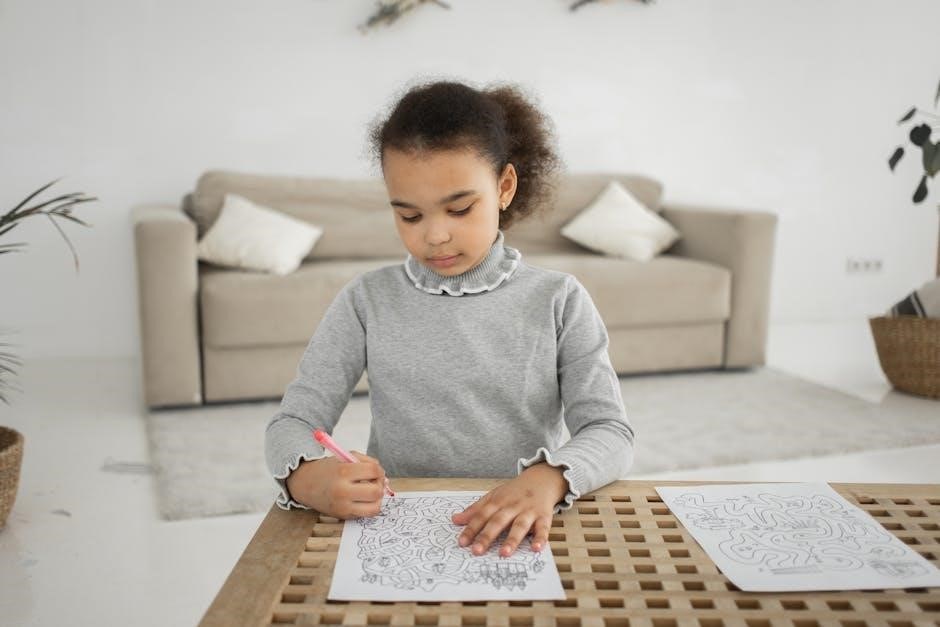
Handwriting Without Tears emphasizes consistent assessment and progress monitoring to ensure students are mastering handwriting skills effectively. The program provides various tools and strategies for tracking student development‚ allowing teachers to tailor instruction to individual needs.
Formal and informal assessments are integrated throughout the curriculum. These include observation checklists‚ letter formation assessments‚ and writing samples. Teachers can use these assessments to identify areas where students excel and areas requiring additional support.
HWT materials often include progress monitoring charts and data collection forms‚ simplifying the process of tracking student growth over time. Regular monitoring allows for timely intervention and adjustments to instruction‚ maximizing student success.
Utilizing these assessment tools‚ educators can gain valuable insights into student handwriting development‚ ensuring that all learners achieve proficiency. Consistent monitoring supports data-driven decision-making and personalized learning experiences within the HWT framework.