Pearl Earring Size Guide: A Comprehensive Overview (Updated February 15‚ 2026)
Navigating pearl earring sizes requires understanding millimeter measurements‚ types‚ and styles; this guide offers a detailed look at selecting the perfect pearls for any occasion.
Understanding Pearl Size Measurement
Pearl size is universally measured in millimeters (mm)‚ representing the diameter of the pearl. This measurement isn’t simply a linear scale; even slight differences in millimeters can noticeably impact a pearl’s appearance and value. Determining size involves careful assessment‚ as pearls are rarely perfectly spherical.
Professionals typically measure the diameter at the widest point‚ and for irregular shapes‚ an average diameter is calculated. Understanding these nuances is crucial when comparing pearls‚ especially when purchasing online where visual representation can be deceiving. The industry standard focuses on whole and half millimeter increments‚ influencing pricing and perceived quality. Accurate measurement ensures informed decisions‚ aligning expectations with the actual pearl dimensions received.
The Millimeter Scale: How Pearl Sizes are Determined
The millimeter scale dictates pearl categorization‚ with each increment impacting perceived value and aesthetic appeal. A 6mm pearl‚ for instance‚ will appear significantly smaller than an 8mm pearl‚ despite only a 2mm difference in diameter. This is because pearl size increases exponentially in visual impact.
Grading relies on precise measurement‚ often utilizing specialized calipers to ensure accuracy. Pearl size directly correlates with rarity; larger pearls are less common and therefore command higher prices. The scale isn’t merely numerical; it’s a key indicator of a pearl’s quality and desirability. Understanding this scale empowers buyers to make informed choices based on their preferences and budget.
Pearl Types and Typical Size Ranges
Different pearl varieties naturally occur in varying sizes‚ influencing earring design and overall appearance. Akoya pearls generally range from 2mm to 10mm‚ with 6-8mm being ideal for earrings. Freshwater pearls exhibit a broader range‚ from 2mm to 15mm‚ offering versatility in size selection;
Tahitian pearls typically fall between 8mm and 18mm‚ known for their larger sizes and exotic appeal. South Sea pearls are the largest‚ ranging from 8mm to 20mm‚ representing luxury and sophistication. These ranges aren’t rigid‚ but provide a general guideline for expectations when choosing pearl earrings.
Akoya Pearl Sizes for Earrings
Akoya pearls‚ celebrated for their classic luster‚ are a popular choice for elegant earrings. For stud earrings‚ 6mm to 7mm Akoya pearls offer a refined and understated look‚ suitable for everyday wear. Drop earrings often feature 7mm to 8mm pearls‚ sometimes graduating in size for visual interest.
Larger Akoya pearls‚ 8mm to 10mm‚ are reserved for statement earrings or special occasions. Smaller sizes‚ under 6mm‚ can appear delicate but may lack prominence. Considering the pearl’s grade alongside size is crucial; a high-quality 6mm pearl can be more desirable than a lower-grade 7mm pearl.
Freshwater Pearl Sizes for Earrings
Freshwater pearls offer a wide range of sizes and shapes‚ making them versatile for various earring styles. For stud earrings‚ 6mm to 8mm freshwater pearls are commonly preferred‚ providing a noticeable yet comfortable size. Drop earrings can utilize sizes from 7mm to 9mm‚ often with a graduated design where the pearls increase in size towards the bottom.
Larger freshwater pearls‚ 9mm to 12mm‚ are ideal for bolder statement earrings. Due to their affordability‚ freshwater pearls allow for experimenting with larger sizes without significant cost. Remember that freshwater pearls are typically sold in 0.5mm increments‚ offering precise size selection.

Tahitian Pearl Sizes for Earrings
Tahitian pearls‚ renowned for their exotic colors‚ are a luxurious choice for earrings. Typically‚ sizes range from 8mm to 18mm‚ though earrings most commonly feature pearls between 8mm and 14mm. For stud earrings‚ 8mm to 10mm Tahitian pearls offer a sophisticated look. Drop earrings often showcase graduated sizes‚ starting around 9mm and increasing to 12mm or 13mm for a balanced aesthetic.
Larger Tahitian pearls‚ 13mm and above‚ are reserved for statement pieces. These pearls are categorized in 1mm increments‚ allowing for precise selection. Considering the value impact‚ a size below 7.5mm may see a price drop on the resale market.
South Sea Pearl Sizes for Earrings
South Sea pearls‚ celebrated for their large size and radiant luster‚ are a premium option for earrings. These pearls generally range from 8mm to 20mm‚ with earrings typically showcasing sizes between 10mm and 18mm. For classic stud earrings‚ 10mm to 12mm South Sea pearls provide an elegant and noticeable presence.
Drop earrings frequently utilize graduated sizes‚ beginning around 12mm and extending to 16mm or 18mm for visual harmony. Like Tahitian pearls‚ South Sea pearls are categorized in 1mm increments‚ ensuring precise sizing. Larger sizes‚ above 16mm‚ are ideal for making a bold statement. Resale value considerations suggest a potential price decrease below 7.5mm.
Popular Pearl Earring Styles and Ideal Sizes
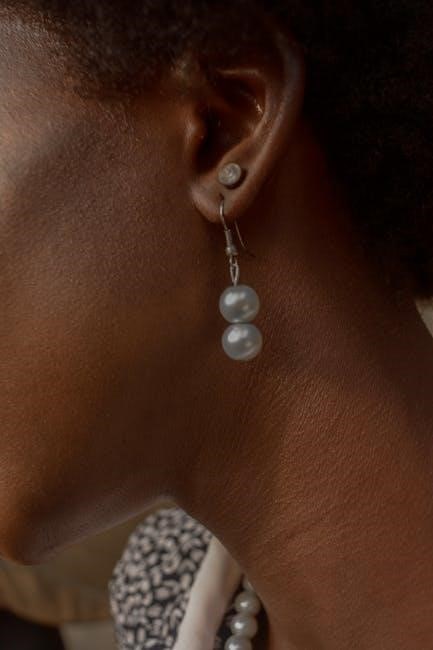
Selecting the right pearl size hinges on the earring style. Stud earrings benefit from classic‚ understated sizes – typically 6mm to 8mm for Akoya‚ 8mm to 10mm for Freshwater‚ and 10mm to 12mm for South Sea pearls. Drop earrings offer versatility; graduated sizes‚ increasing downwards‚ create balance and flow. Consistent sizing‚ around 8mm-12mm‚ also works well.
Hoop earrings incorporating pearls require careful consideration. Smaller hoops pair nicely with 6mm-8mm pearls‚ while larger hoops can accommodate 8mm-10mm pearls. Pearl rings generally feature 8-10mm pearls for optimal aesthetics. Remember‚ larger pearls make bolder statements‚ while smaller pearls offer subtle elegance.
Stud Earrings: Recommended Pearl Sizes
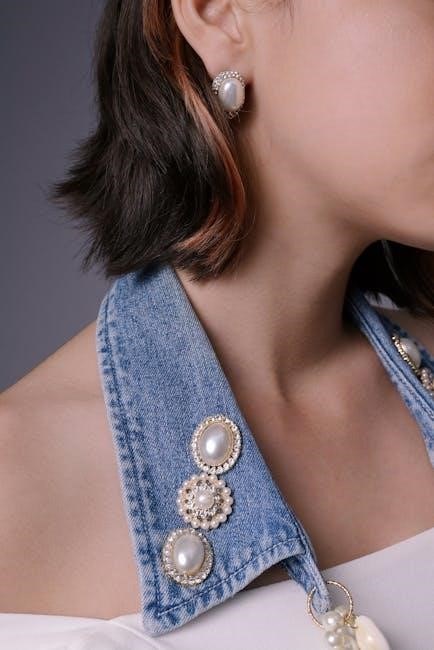
Stud earrings‚ celebrated for their simplicity and elegance‚ demand careful pearl size selection. For Akoya pearls‚ 6mm to 8mm is considered ideal‚ offering a classic and refined appearance suitable for everyday wear. Freshwater pearl studs typically range from 8mm to 10mm‚ providing a noticeable yet sophisticated look. Those desiring a more dramatic statement can opt for South Sea pearl studs‚ ideally between 10mm and 12mm.
Smaller pearls (6-7mm) are excellent for a minimalist aesthetic‚ while larger sizes (8-10mm) offer greater impact. Consider your earlobe size; larger lobes can comfortably accommodate bigger pearls. Ultimately‚ the best size balances personal preference with proportional harmony.
Drop Earrings: Graduated vs. Consistent Sizing
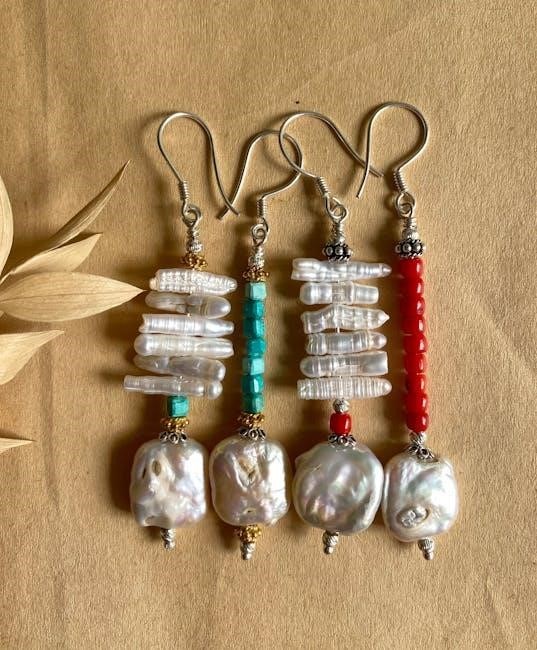
Drop earrings offer versatility in pearl size presentation – either with a graduated or consistent approach. Graduated drop earrings feature pearls that increase in size from top to bottom‚ creating a flowing‚ elegant effect and balancing the weight visually. A common progression might be 6mm at the top‚ increasing to 8mm or 10mm at the longest point.
Consistent sizing utilizes pearls of the same diameter throughout the earring‚ offering a more modern and streamlined look. This works well with Akoya or smaller Freshwater pearls (6-8mm). Larger pearls‚ like Tahitian or South Sea‚ can also be used consistently for a bold statement. The choice depends on desired style and aesthetic.
Hoop Earrings with Pearls: Size Considerations
Hoop earrings adorned with pearls present unique sizing challenges. Smaller hoops (20-30mm diameter) pair beautifully with delicate Akoya or petite Freshwater pearls (4-6mm)‚ creating a subtle‚ everyday elegance. Larger hoops (40-60mm) can accommodate more substantial pearls – Tahitian (8-10mm) or South Sea (10-12mm) – for a dramatic statement.
Consider the pearl’s weight; larger pearls on thin hoops can become uncomfortable. The number of pearls also impacts the overall look – fewer‚ larger pearls offer sophistication‚ while many smaller pearls create a more playful vibe. Balance is key; ensure the hoop size complements the pearl size for a harmonious design.
Factors Influencing Pearl Size Choice
Selecting the ideal pearl size extends beyond aesthetics‚ encompassing personal attributes and style. Face shape plays a crucial role; smaller pearls suit delicate features‚ while larger pearls complement stronger jawlines. Age often influences preference‚ with younger individuals leaning towards smaller‚ modern sizes and mature wearers favoring classic‚ larger pearls.
Personal style is paramount – minimalist looks benefit from understated pearls‚ while bold personalities can embrace statement pieces. Comfort and security are also vital; larger pearls require secure settings; Ultimately‚ the “right” size is subjective‚ reflecting individual taste and confidence. Consider how the earrings will be worn – daily or for special occasions.
Face Shape and Pearl Size Proportion
Harmonizing pearl size with face shape creates a balanced and flattering look. Individuals with delicate or petite features benefit from smaller pearls (6-7mm) to avoid overwhelming their appearance. Conversely‚ those with stronger‚ more defined features – like prominent jawlines – can confidently wear larger pearls (8-10mm or even larger) for impact.
Round faces are softened by longer‚ drop-style earrings with medium-sized pearls. Angular faces are balanced with rounder pearl studs or hoops. Long faces are complemented by pearl sizes that add width‚ avoiding overly long drops. Ultimately‚ proportion is key – the pearl size should complement‚ not compete with‚ your natural features.
Age and Pearl Size Preference
Pearl size preferences often evolve with age and lifestyle‚ though personal taste remains paramount. Younger individuals frequently gravitate towards smaller‚ more understated pearls (6-8mm) for everyday wear‚ reflecting a modern aesthetic. As one matures‚ there’s often a shift towards larger‚ more substantial pearls (8-10mm+) that exude sophistication and confidence.
However‚ these are merely tendencies. A classic 7.5mm pearl can suit any age‚ and bolder choices are always encouraged! Consider the occasion; larger pearls are ideal for formal events‚ while smaller sizes are perfect for casual settings. Ultimately‚ selecting a pearl size should reflect your personal style and comfort level‚ regardless of age.
Personal Style and Pearl Size
Your personal style is a crucial factor when choosing pearl earring sizes. Minimalists often prefer delicate‚ smaller pearls (6-7mm) for a subtle elegance‚ complementing their understated aesthetic. Those with a bold and dramatic style might opt for larger pearls (9-10mm+) to make a statement and showcase confidence.
Classic styles benefit from medium-sized pearls (7.5-8.5mm)‚ offering timeless appeal. Consider your existing jewelry collection; choose a pearl size that harmonizes with your other pieces. Don’t be afraid to experiment! A slightly larger pearl can elevate a simple outfit‚ while smaller pearls add a touch of refinement. Ultimately‚ the best size reflects your unique personality.
The Impact of Pearl Size on Value
Pearl size significantly influences value‚ with larger pearls commanding higher prices due to their rarity. A noticeable price drop occurs when sizes fall below 7.5mm in the secondhand market‚ like on eBay. Larger pearls require more time and resources to cultivate‚ increasing their cost. However‚ size isn’t the sole determinant; pearl grade (luster‚ shape‚ surface quality) also plays a vital role.
A high-grade‚ smaller pearl can be more valuable than a lower-grade‚ larger one. Demand also impacts pricing‚ but generally‚ increasing size equates to increased value‚ especially in Akoya‚ Tahitian‚ and South Sea pearls. Consider this when evaluating potential purchases or resale options.
Size Increments in the Pearl Industry
Pearl sizing isn’t uniform across all types; the industry employs different increments for categorization and sale. Akoya and Freshwater pearls are commonly sold in 0.5mm increments‚ offering a more granular range of choices for consumers. This allows for precise selection based on desired aesthetic and budget.
Conversely‚ Tahitian and South Sea pearls are typically categorized in 1mm increments. This reflects their generally larger sizes and the practicalities of cultivation and grading. Understanding these distinctions is crucial when comparing pearls and assessing value. These standardized increments ensure consistency and transparency within the pearl market.
Akoya & Freshwater: 0.5mm Increments
Akoya and Freshwater pearls utilize 0.5mm increments‚ providing a nuanced selection process for buyers. This finer gradation allows for precise matching in earring pairs and caters to diverse preferences. Common sizes begin around 2mm and extend to 9mm for Akoya‚ while Freshwater pearls can reach up to 12mm or even larger.
The 0.5mm difference is noticeable‚ impacting both appearance and price. A 6.5mm pearl will appear subtly smaller than a 7mm pearl‚ influencing the overall aesthetic of the earring. This detailed sizing system is beneficial for those seeking a specific look and feel‚ offering greater control over the final product.
Tahitian & South Sea: 1mm Increments
Tahitian and South Sea pearls are categorized in 1mm increments‚ reflecting their generally larger sizes and distinct market positioning. This coarser grading system is suitable given the substantial size range – typically from 8mm to 18mm for Tahitian pearls and 8mm to 20mm for South Sea pearls.
A 1mm difference is more visually apparent in these larger pearl types‚ significantly impacting the earring’s presence and perceived value. While less granular than Akoya or Freshwater sizing‚ the 1mm increments still allow for careful selection and pairing. This system acknowledges the inherent variations within these luxurious pearl varieties.
Visualizing Pearl Sizes: Charts and Comparisons
Understanding pearl sizes is easier with visual aids. Charts displaying pearls against a ruler or common objects – like coins or fingers – provide a relatable scale. Comparing pearl sizes side-by-side‚ especially across different types (Akoya‚ Freshwater‚ Tahitian‚ South Sea)‚ highlights the subtle yet significant differences.
Printable PDF guides‚ showcasing real-life pearl dimensions‚ are invaluable for prospective buyers. These resources allow you to physically assess the size and visualize how the pearls will appear when worn as earrings. Online resources often feature model shots wearing various pearl sizes‚ offering a realistic perspective on scale and proportion.
Real-Life Pearl Size Examples

To truly grasp pearl sizing‚ consider practical examples. A 6mm Akoya pearl‚ commonly used in stud earrings‚ appears delicate and understated‚ ideal for everyday wear; Conversely‚ an 8mm South Sea pearl exudes luxury and makes a bolder statement in drop earrings.
Imagine a 7.5mm Freshwater pearl – a popular choice offering a balance between size and affordability. Visualizing these sizes against familiar objects‚ like a dime (approximately 17.91mm)‚ helps contextualize their dimensions. Comparing a 9mm Tahitian pearl to an 8mm Akoya demonstrates the noticeable difference even a single millimeter can make in overall appearance and perceived value.
Printable Pearl Size Guide
For a tangible understanding of pearl dimensions‚ a printable guide is invaluable. This resource visually represents various pearl sizes‚ allowing you to compare and contrast them directly. Pure Pearls offers a downloadable PDF showcasing real-life pearl sizes‚ aiding in accurate assessment.
The guide typically features pearls displayed alongside a ruler or common objects for scale‚ facilitating a clear perception of their actual size. Utilizing this tool before purchasing ensures your selection aligns with your desired aesthetic. Printing the chart allows for convenient reference during online browsing or in-store shopping‚ guaranteeing informed decisions.
Finding the Right Size for Comfort and Security
Beyond aesthetics‚ comfort and security are paramount when choosing pearl earring sizes. Larger pearls‚ while visually striking‚ can feel heavy and potentially cause discomfort with prolonged wear. Consider the weight‚ especially for lobe-sensitive ears‚ opting for smaller sizes if necessary.
The post length and earring back design also contribute to security. Ensure the post is long enough to securely pass through the earlobe‚ and the back is snug to prevent accidental loss. Proper fit minimizes movement and reduces the risk of the earring falling out‚ offering peace of mind alongside elegant style.
Considering Pearl Grade Alongside Size
Pearl grade significantly impacts value and appearance‚ working in tandem with size. A larger pearl with a lower grade (more blemishes‚ irregular shape) may be less desirable – and potentially cheaper – than a smaller pearl boasting a higher grade (excellent luster‚ minimal flaws). Prioritize quality over sheer size if budget is a concern.
Understanding grading systems (A-D‚ with AA being excellent) is crucial. A high-grade pearl reflects light beautifully‚ enhancing its overall appeal. Don’t solely focus on millimeters; a well-graded‚ modestly sized pearl can often outshine a larger‚ lower-quality counterpart‚ offering superior brilliance and lasting beauty.
The Resale Value of Different Pearl Sizes
Resale value is notably affected by pearl size‚ with a discernible drop when falling below 7.5mm‚ particularly in the secondhand market like eBay. Larger pearls generally command higher prices‚ assuming comparable grade and type. However‚ size isn’t the sole determinant; grade‚ luster‚ and pearl type play critical roles.
While pearls aren’t typically high-demand resale items‚ larger‚ high-grade South Sea and Tahitian pearls retain value better. Consider resale potential as a secondary factor when investing in pearl earrings‚ recognizing that it’s not a guaranteed return. A smaller‚ exceptionally graded pearl might outperform a larger‚ flawed one in the long run.
Where to Buy Pearl Earrings by Size
Finding pearl earrings categorized by size is increasingly common online. Specialized pearl retailers like Pure Pearls often allow filtering by millimeter measurements‚ offering precise selection. Major jewelry retailers (e.g.‚ Tiffany & Co.‚ Mikimoto) typically specify pearl sizes in product descriptions‚ though options may be limited.
Auction sites like eBay can yield bargains‚ but require careful scrutiny of size details and seller reputation. Wholesale suppliers (like Eusharon) may cater to bulk buyers‚ potentially offering size-specific options. Always verify the pearl type and grade alongside size to ensure value and quality.
Caring for Pearl Earrings of Different Sizes
Pearl care remains consistent regardless of size‚ but larger pearls may require gentler handling. Avoid harsh chemicals‚ perfumes‚ and hairspray‚ as these can damage the nacre. Clean pearls with a soft cloth after each wearing to remove oils and debris; mild soap and water are acceptable occasionally.
Store pearls separately from other jewelry to prevent scratching. Regular restringing is crucial‚ especially for larger pearls on delicate earring posts‚ to maintain security. Larger pearls might benefit from professional cleaning annually to preserve their luster and prevent damage.