
A field guide expertly blends pictures and descriptions, aiding in identifying outdoor plants and animals – a portable resource for nature enthusiasts.
Creating a personalized field guide fosters deeper observation skills and a stronger connection with the natural world around you, enhancing exploration.
What is a Field Guide?
A field guide is fundamentally a portable reference book designed to assist with the identification of plants, animals, and other natural elements encountered in the field. It’s more than just a catalog; it’s a carefully curated resource combining concise descriptive text with illustrative visuals – photographs, drawings, or paintings – to facilitate accurate identification.
These guides typically focus on a specific geographic region or taxonomic group, offering a manageable scope for detailed coverage. They empower both amateur naturalists and seasoned professionals to confidently name and learn about the organisms they observe. A well-crafted field guide isn’t merely about knowing what something is, but also understanding its habitat, behavior, and ecological role.
Why Create Your Own Field Guide?
Embarking on the creation of a personalized field guide is a deeply rewarding experience, fostering a more intimate connection with the natural world. Unlike commercially produced guides, a custom guide allows you to focus on your specific area of interest, whether it’s the flora of your backyard or the birds of a local park.
This process cultivates keen observation skills, encourages detailed note-taking, and promotes a deeper understanding of local ecosystems. Furthermore, creating your own guide is an excellent learning opportunity, forcing you to research and synthesize information. It’s a tangible outcome of your explorations, a unique record of your discoveries, and a valuable resource to share with others.

Planning Your Field Guide
Careful planning is crucial; define your subject – flora, fauna, or other natural elements – and the geographic area your guide will cover effectively.
Choosing a Subject: Flora, Fauna, or Other Natural Elements
Selecting a focus is the first step. Will your field guide document local wildflowers (flora), birds (fauna), insects, trees, or even geological formations? Consider your personal interests and expertise; passion fuels dedication.
Narrowing the scope is vital. A guide to “all plants” is overwhelming. Instead, focus on “wildflowers of a specific park” or “birds of prey in the region.” This makes the project manageable and the guide more useful.
Think about existing resources. Is there a gap in available guides? A unique angle can make your field guide stand out. Perhaps a guide focused on identifying tracks and signs, or a guide geared towards a specific habitat type.
Defining Your Geographic Scope
Establishing boundaries is crucial for a focused field guide. Will it cover your backyard, a local park, a county, or a larger region? A smaller, well-defined area allows for greater detail and accuracy.
Consider accessibility. Choose a location you can easily and repeatedly visit for observation and data collection. Familiarity with the terrain and species is a significant advantage.
Research existing data for your chosen area. Are there documented species lists or habitat maps available? This information provides a starting point and helps refine your scope. Clearly define the geographical limits in your guide’s introduction.
Target Audience and Level of Detail
Knowing your reader dictates the guide’s complexity. Is it for beginners, experienced naturalists, or children? A beginner’s guide requires simpler language and broader descriptions, focusing on common species.
An advanced guide can delve into technical terminology, subtle identification features, and nuanced ecological information. The level of detail impacts the guide’s length and scope. Consider including a glossary for specialized terms.
Balance comprehensiveness with accessibility. Avoid overwhelming readers with excessive information. Prioritize key characteristics and clear, concise explanations tailored to your intended audience’s knowledge level.

Content and Organization
Effective field guides structure information logically, utilizing taxonomic or character-based systems, alongside identification keys, and detailed species accounts for clarity.
Taxonomic vs. Character-Based Organization
Organizing a field guide presents two primary approaches: taxonomic and character-based. Taxonomic organization follows established scientific classification – Kingdom, Phylum, Class, and so on – grouping species based on evolutionary relationships. This method appeals to users familiar with scientific naming conventions and provides a structured, hierarchical system.
Conversely, character-based organization groups species by shared, readily observable traits, like color, shape, or habitat. This approach prioritizes ease of use for beginners, allowing quick identification based on visible characteristics. While less scientifically rigorous, it’s often more practical for casual naturalists. A guide might, for example, group all red flowers together, regardless of their family. The best choice depends on the target audience and the guide’s intended purpose.
Using Identification Keys
Identification keys are crucial tools within field guides, enabling users to pinpoint species through a series of paired choices; Dichotomous keys present two contrasting statements; the user selects the statement that best describes the specimen, leading to another pair of choices. This process continues until a species is identified.
Effective keys utilize clear, concise language and focus on consistently observable characteristics. While powerful, keys can be challenging to format and use, requiring careful construction and user patience. A well-designed key minimizes ambiguity and provides logical pathways. Despite potential formatting difficulties, they remain essential for accurate species determination, especially for less familiar organisms.
Detailed Species Accounts
Detailed species accounts form the core of any comprehensive field guide, providing in-depth information for each featured organism. These accounts typically begin with a concise physical description, outlining key identifying features like size, color, and distinctive markings. Following this, a discussion of habitat and range details where the species is typically found geographically and the environments it prefers.
Crucially, accounts also cover behavior and ecology, explaining feeding habits, reproductive strategies, and interactions with other species. This holistic approach allows users not only to identify organisms but also to understand their role within the ecosystem, enriching the overall field experience.
Physical Description
Physical descriptions within a field guide must be precise and focus on readily observable characteristics. Begin with overall size and shape, noting length, wingspan, or height. Detail coloration patterns, including variations between sexes or age groups, and highlight any unique markings – spots, stripes, or crests.
Describe body coverings, such as feathers, fur, scales, or leaves, noting texture and arrangement. Include details about key anatomical features like beak shape, leaf arrangement, or limb structure. A well-crafted physical description enables confident identification, even with subtle variations, and serves as the foundation for distinguishing similar species.
Habitat and Range
Habitat and range information pinpoints where a species lives and its geographical distribution. Describe the typical environments – forests, grasslands, wetlands, or urban areas – specifying preferred conditions like altitude, soil type, or vegetation. Detail the species’ breeding and foraging habitats, noting any specific requirements.
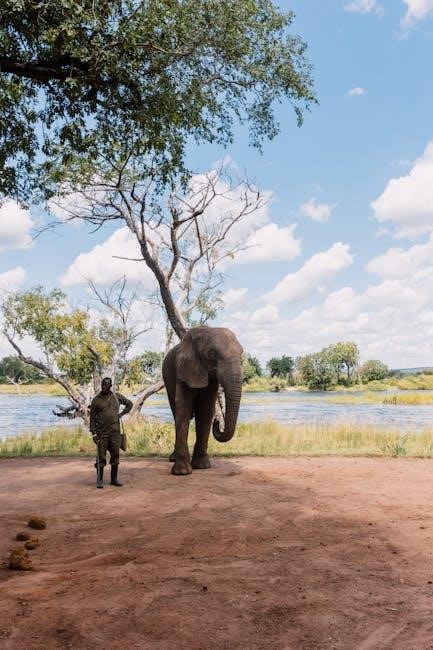
Illustrate the range with a map, clearly indicating the known distribution. Note whether the species is resident, migratory, or introduced. Mention any recent range expansions or contractions. Understanding habitat preferences and geographical limits is crucial for locating and identifying species in the field, aiding conservation efforts.
Behavior and Ecology
Behavior and ecology sections detail how a species interacts with its environment and other organisms. Describe its feeding habits – what it eats and how it obtains food. Explain its social structure, including mating systems, territoriality, and group dynamics.
Note any unique behaviors, such as migration patterns, hibernation, or defensive mechanisms. Discuss its role in the ecosystem – predator, prey, pollinator, or decomposer. Understanding these aspects provides insights into the species’ life history and its place within the broader ecological web, enriching identification and appreciation.
Illustrations and Photography
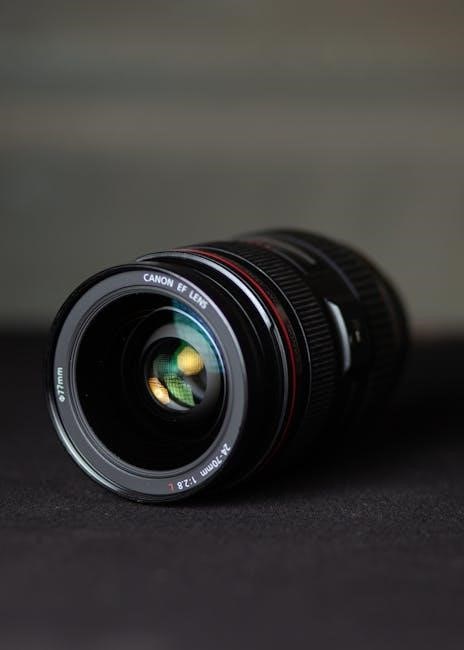
Visual aids are paramount in field guides, significantly enhancing identification accuracy. Illustrations can highlight key features, while photographs offer realistic depictions. Effective illustrations emphasize diagnostic characteristics, often using annotations to pinpoint specific traits.
Photography should be sharp, well-lit, and showcase the species in various poses and life stages. Consider including images of habitat and behavior. Prioritize clarity and detail over artistic flair. Both illustrations and photographs should complement the descriptive text, creating a comprehensive and user-friendly identification experience for all observers.
Importance of Visual Aids
Visual aids are absolutely crucial within a field guide, dramatically improving a user’s ability to accurately identify specimens. They transcend language barriers and cater to diverse learning styles, making information accessible to a wider audience.
Illustrations can emphasize subtle, yet critical, identification features often missed in photographs. Conversely, high-quality photographs provide realistic representations of natural variation. Combining both methods offers a robust and reliable identification tool. Ultimately, strong visuals transform a field guide from a descriptive text into an intuitive and effective resource for naturalists.
Techniques for Effective Illustrations
Effective field guide illustrations prioritize clarity and accuracy over artistic flair. Focus on depicting key identifying characteristics – shape, color patterns, and structural details – with precise linework and consistent shading.
Highlighting these features through selective emphasis, like bolder lines or contrasting tones, guides the observer’s eye. Consider exploded views to showcase internal structures or composite illustrations demonstrating variations. Maintaining a consistent style throughout the guide ensures visual cohesion. Remember, the goal is to aid identification, not to create fine art; functionality reigns supreme in successful field guide illustrations.
Photography Tips for Field Guides
High-quality photography is crucial for field guide success. Prioritize sharp focus, proper exposure, and accurate color representation. Capture multiple angles – dorsal, ventral, lateral – to showcase key identification features. Utilize natural light whenever possible, avoiding harsh shadows or blown-out highlights.
Include scale indicators (rulers, coins) for size reference. Photograph specimens in their natural habitat to illustrate typical behavior and environment. Macro photography excels at revealing minute details. Consistent backgrounds minimize distractions. Remember to obtain necessary permits and practice ethical wildlife photography, prioritizing the subject’s well-being above all else.

Design and Layout
Effective design prioritizes clarity and user experience, employing a logical page layout, thoughtful color schemes, and readable typography for easy navigation.
Page Layout and Aesthetics
A well-considered page layout is crucial for a field guide’s usability. Prioritize a clean, uncluttered design that allows information to breathe. Utilize white space effectively to prevent the page from feeling cramped and overwhelming for the user in the field.
Consider a grid system to maintain consistency throughout the guide. Images should be prominently displayed and strategically placed alongside relevant text descriptions. Think about the flow of information – guide the reader’s eye naturally from the image to the key identifying features.
Aesthetically, aim for a design that reflects the subject matter. Earthy tones and natural textures can complement a guide focused on wildlife, while a more minimalist approach might suit a botanical guide. Ensure visual harmony between illustrations, photographs, and text.
Use of Color and Typography
Color plays a vital role in field guide design, both aesthetically and functionally. Use color strategically to highlight key features in illustrations or photographs, aiding quick identification in the field. A limited color palette often enhances readability and avoids visual clutter.
Typography should prioritize clarity and legibility. Choose fonts that are easy to read in various lighting conditions, considering both body text and headings. Avoid overly decorative fonts that might hinder quick comprehension. Consistent font sizes and styles throughout the guide contribute to a professional appearance.
Consider using color-coding to categorize species or habitats, providing an additional visual cue for the user. Ensure sufficient contrast between text and background colors for optimal readability.
Creating a User-Friendly Index
A comprehensive index is crucial for a field guide’s usability, allowing users to quickly locate specific information. Include both common and scientific names, cross-referencing where appropriate. Consider adding sub-entries for specific characteristics, like “flower color” or “leaf shape,” to pinpoint details efficiently.
Alphabetical order is standard, but grouping related terms can improve navigation. Boldfacing index entries corresponding to primary species accounts enhances visibility. Ensure the index accurately reflects all content within the guide, minimizing frustration.
Regularly review and update the index as the guide evolves, maintaining its accuracy and usefulness for field identification and research purposes.

Fieldwork and Data Collection
Essential fieldwork requires equipment like binoculars, notebooks, and cameras for detailed observation and accurate data recording of species and habitats.
Essential Equipment for Fieldwork
Embarking on fieldwork demands careful preparation and the right tools. A sturdy backpack is crucial for carrying everything comfortably. High-quality binoculars are essential for observing distant wildlife, while a field notebook and waterproof pen allow for detailed, on-the-spot recording of observations.
A reliable camera, ideally with a zoom lens, is vital for capturing visual documentation. Consider a GPS device or smartphone with GPS capabilities for precise location data. A field guide (ironically!) specific to your study area aids in initial identification. Don’t forget appropriate clothing for varying weather conditions – layers are key! Finally, a first-aid kit ensures safety during your explorations.
Observation Techniques
Effective observation is the cornerstone of field guide creation. Begin with a broad scan of the environment, noting overall habitat characteristics. Then, focus on individual organisms, meticulously documenting their behavior, interactions, and physical attributes.
Employ patience and stillness to avoid disturbing wildlife. Utilize all your senses – listen for calls, note scents, and observe subtle movements. Record observations objectively, avoiding assumptions. Sketching can aid memory and highlight key features. Regularly revisit locations to track changes over time. Detailed notes, combined with photographic evidence, form the foundation of accurate species accounts for your guide.
Data Recording and Note-Taking
Meticulous record-keeping is vital during fieldwork. Employ a waterproof notebook and pen, or a durable digital device, to document every observation. Include date, time, location (with GPS coordinates if possible), habitat details, and specific organism characteristics.
Structure your notes logically, using headings and bullet points for clarity. Record behaviors, interactions, and any unique features. Don’t rely solely on memory; sketch diagrams or quick illustrations. Cross-reference notes with photographs. Consistent, detailed data ensures accuracy when compiling species accounts for your field guide, providing a reliable resource for identification and understanding.

Digital Field Guides
Digital formats offer advantages like portability, searchability, and multimedia integration – software and apps simplify creation and facilitate sharing with others.
Advantages of Digital Formats
Digital field guides present numerous benefits over traditional print versions, significantly enhancing the user experience and expanding accessibility. Portability is a key advantage; a smartphone or tablet can house countless guides, eliminating the need to carry bulky books into the field.
Search functionality allows for rapid identification, instantly locating specific species or characteristics. Multimedia integration—incorporating audio recordings of bird songs or videos of animal behavior—adds another layer of information.
Digital guides are easily updated with new data or corrections, ensuring accuracy. Collaboration becomes simpler, allowing multiple users to contribute observations and refine content. Furthermore, digital platforms often support interactive features like range maps and identification quizzes, fostering a more engaging learning experience.
Software and Apps for Field Guide Creation
Numerous software options cater to digital field guide creation, ranging from simple note-taking apps to specialized biodiversity platforms. iNaturalist, while primarily an observation platform, facilitates building personal lists and guides based on your findings.
Google Docs or Microsoft Word can be used for basic text and image organization, suitable for simpler guides. For more sophisticated layouts and interactive elements, consider Adobe InDesign or Scribus (a free, open-source alternative).
Dedicated apps like Guidebook allow for creating interactive guides with maps, multimedia, and offline access. BioRecorder and Epicollect5 are valuable for data collection in the field, streamlining the process of gathering information for your guide. Choosing the right tool depends on your technical skills and the complexity of your project.
Sharing and Collaboration
Digital field guides excel in shareability, allowing easy distribution to fellow naturalists and a wider audience. Platforms like iNaturalist encourage collaborative identification and data validation, enriching your guide with community expertise.
PDF versions can be readily emailed or hosted on personal websites. Consider platforms like GitHub for version control and collaborative editing, especially for complex projects.
Open-source licensing promotes wider use and improvement by others. Seeking feedback from experts and peers is crucial for refining accuracy and usability. Collaboration fosters a sense of community and ensures your field guide remains a valuable, evolving resource for years to come, benefiting both creators and users.

Resources and Further Learning
Numerous books detail field guide creation, while online forums – like iNaturalist – offer vibrant communities for sharing knowledge and seeking guidance.
Recommended Books on Field Guide Creation
Embarking on field guide creation benefits immensely from established literature. While a definitive, single “bible” doesn’t exist, several resources offer invaluable guidance. Consider exploring works focusing on natural history illustration techniques, as visual accuracy is paramount. Books detailing taxonomic principles will aid in organizing your chosen subject matter effectively.
Furthermore, publications on scientific writing and clear communication are beneficial for crafting concise and informative species accounts. Look for titles that address observational skills and data recording methods, crucial for fieldwork. Don’t overlook resources specifically geared towards nature journaling, as they often emphasize detailed observation and artistic representation – skills directly transferable to field guide development. Ultimately, a combination of these resources will provide a strong foundation for your project.
Online Communities and Forums
Engaging with online communities provides invaluable support and feedback during field guide creation. Platforms like iNaturalist host active forums where users share experiences, ask questions, and collaborate on identification challenges. These spaces are excellent for refining your species accounts and receiving constructive criticism on illustrations or photography.
Dedicated naturalist groups on social media platforms also offer opportunities to connect with fellow enthusiasts and experts. Participating in these discussions can expose you to diverse perspectives and innovative approaches to field guide design. Remember to actively contribute to these communities, sharing your progress and offering assistance to others – fostering a collaborative learning environment benefits everyone involved.