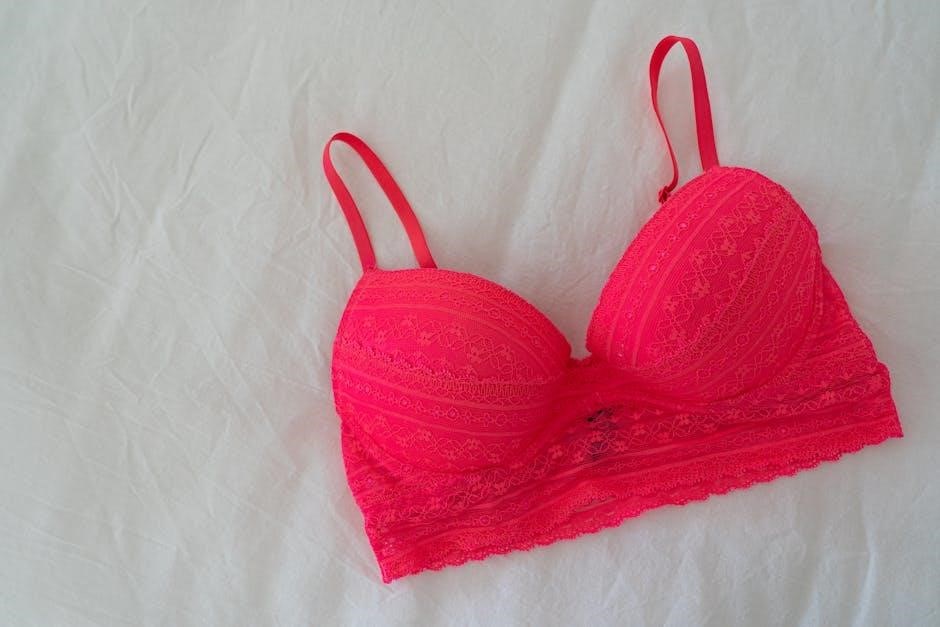
Bra Style Guide: A Comprehensive Overview (Updated 02/15/2026)
Navigating the world of bras requires understanding sizes‚ styles‚ and proper fit; finding the perfect bra transforms comfort and confidence‚ utilizing charts for accuracy is key․
Understanding Bra Sizes
Decoding bra sizes is fundamental to achieving optimal comfort and support․ A bra size comprises two key components: the band size‚ represented by a number‚ and the cup size‚ denoted by a letter․ These measurements collectively indicate a woman’s chest and breast volume‚ with sizes extending beyond the commonly known range – for instance‚ K cup bras are available․
The journey to finding the perfect fit begins with accurate measurement and utilizing a reliable bra size chart․ Many women stick with a comfortable‚ functional bra for years‚ highlighting the importance of getting it right initially․ However‚ sizes can fluctuate due to weight changes‚ hormonal shifts‚ or even simply the age of the bra itself․
Larger bust sizes‚ represented by DD‚ DDD‚ E‚ F‚ G‚ and beyond‚ can seem daunting‚ but understanding these designations is crucial for women with fuller figures․ The average American bra size is evolving‚ emphasizing the need for updated knowledge and personalized fittings․ Proper sizing isn’t just about aesthetics; it’s about health and well-being․
The Basics of Bra Sizing
Bra sizing isn’t a one-size-fits-all equation; it’s a system designed to approximate fit‚ requiring individual assessment․ The core principle involves measuring both the underbust (band size) and the fullest part of the bust (cup size)․ A snug‚ but not constricting‚ band is essential for support‚ typically achieved by measuring directly around the ribcage․
Cup size determination relies on the difference between the bust measurement and the band measurement․ This difference translates to a letter designation‚ starting with A and increasing alphabetically as the volume grows․ It’s important to remember that sizing can vary between brands‚ making trying on bras crucial․
Understanding sister sizes is also key – a sister size differs by one inch in the band and one cup size․ This knowledge allows for adjustments when your ideal size isn’t available․ Finding the correct bra size unlocks a transformative experience‚ boosting confidence and providing all-day comfort․
Band Size: Finding Your Fit
Determining your band size is the foundation of a comfortable bra fit․ Measure snugly around your ribcage‚ directly under your breasts‚ ensuring the measuring tape is level all the way around․ Round to the nearest whole number – if you get an odd number‚ add one inch․ This measurement represents your band size․
A properly fitted band provides the majority of the bra’s support‚ so it should feel secure but not overly tight․ It should sit horizontally around your body and not ride up in the back․ If the band feels loose‚ try a smaller size; if it digs in‚ consider going up a size․

Remember that band sizes often correlate with clothing sizes‚ but aren’t always a direct match․ Consistent re-measurement is recommended‚ as your size can fluctuate․ A comfortable band is crucial‚ especially for larger busts‚ providing essential support and preventing strain․
Cup Size: Determining Volume
Once you’ve established your band size‚ determining your cup size reveals the volume your bra needs to accommodate․ Measure loosely around the fullest part of your breasts‚ typically across the nipples‚ keeping the tape measure level․ Subtract your band size from this measurement; the difference indicates your cup size․
For example‚ a 4-inch difference equates to a D cup‚ while a 5-inch difference corresponds to a DD (or E) cup․ Cup sizes increase alphabetically as the difference grows․ It’s vital to ensure the cups fully encapsulate your breast tissue without spillage or gaping․
Pay attention to how the cup shape complements your breast shape․ Different bra styles offer varying cup depths and projections․ Don’t hesitate to try sister sizes (explained elsewhere) if your initial cup size doesn’t feel quite right‚ prioritizing comfort and a smooth silhouette․
Common Bra Size Mistakes
Many women are wearing the wrong bra size‚ often unaware of the impact on comfort and support․ A frequent error is relying on a size determined years ago‚ as bodies change over time․ Another common mistake is assuming size consistency across brands; sizing can vary significantly․
Ignoring signs of a poor fit – digging straps‚ a band that rides up‚ or spillage – is also problematic․ Many women also incorrectly measure themselves‚ using a too-tight tape measure or not measuring at the fullest part of the bust․

Furthermore‚ equating bra size with breast size is a misconception; size indicates volume relative to the band․ Finally‚ sticking with a size that’s “close enough” instead of seeking a precise fit can lead to discomfort and inadequate support․ Regular re-fitting is crucial!
Understanding Sister Sizes
Sister sizes are bra sizes that have the same cup volume but different band sizes․ This concept is invaluable when your ideal size isn’t readily available or for achieving a more comfortable fit․ A sister size is found by either increasing the band size and decreasing the cup size‚ or vice versa․
For example‚ a 34C has the same cup volume as a 32D or a 36B․ Understanding this allows for flexibility when a specific size is out of stock or doesn’t quite feel right․ It’s particularly useful when experiencing band discomfort – loosening the band and increasing the cup size can alleviate pressure․
Conversely‚ if the cups feel too large‚ tightening the band and decreasing the cup size might be the solution․ Knowing your sister sizes expands your options and increases the likelihood of finding a well-fitting bra․
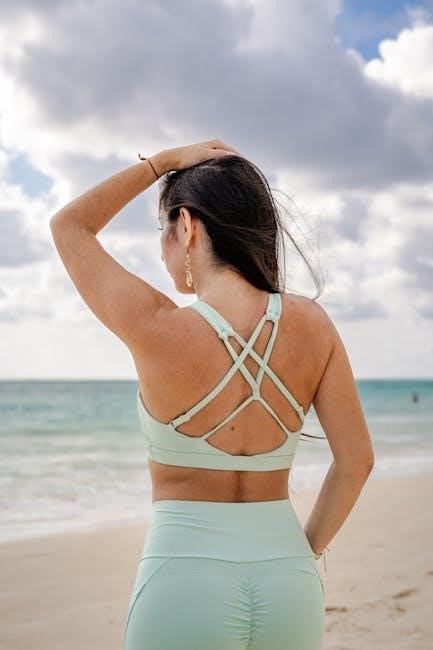
Bra Styles and Their Uses
Different bra styles cater to various needs and outfits‚ offering support‚ shaping‚ and comfort; selecting the right style enhances both appearance and functionality․
Full Coverage Bras: Support and Comfort
Full coverage bras are designed to completely encapsulate the breasts‚ providing maximum support and minimizing cleavage․ These bras are an excellent choice for everyday wear‚ particularly for those seeking comfort and security throughout the day․ They are ideal for larger bust sizes‚ offering reliable lift and preventing strain․
The construction typically includes wider straps and a reinforced band‚ distributing weight evenly and reducing shoulder discomfort․ Full coverage styles often feature a classic‚ modest silhouette‚ making them suitable under various clothing types․ While they may not offer the most dramatic shaping‚ they prioritize functionality and a natural shape․
Many women appreciate full coverage bras for their practicality and the feeling of being securely held․ They are a foundational piece in any lingerie drawer‚ offering a comfortable and supportive base for daily activities․ Look for seamless options for a smoother look under fitted clothing․
Demi Bras: A Lift with Less Coverage
Demi bras‚ also known as half-cup bras‚ strike a balance between support and a revealing neckline․ They offer a noticeable lift while providing less coverage than full coverage styles‚ typically encompassing about half to three-quarters of the breast․ This design creates a rounded‚ uplifted shape and enhances natural curves‚ making them popular for lower-cut tops and dresses․
Demi bras often feature angled cups and strategically placed padding to provide lift and shape without excessive bulk․ They are a great option for those who want a more youthful and alluring silhouette․ The reduced coverage can also make them feel less constricting than more supportive styles․
However‚ it’s important to ensure a secure fit‚ as the reduced coverage may not offer sufficient support for larger busts or high-impact activities․ Demi bras are best suited for everyday wear and occasions where a subtle lift and enhanced shape are desired․
Balconette Bras: Enhancing Cleavage
Balconette bras are renowned for their ability to create noticeable cleavage and a lifted‚ rounded bustline․ Characterized by their wide-set straps and horizontally cut cups‚ these bras offer approximately half-cup coverage‚ providing a more open and revealing neckline․ The angled cut pushes the breasts upwards and inwards‚ resulting in a dramatic‚ yet natural-looking‚ enhancement․

Unlike full coverage bras‚ balconettes don’t fully enclose the breasts‚ making them ideal for pairing with outfits featuring wider necklines‚ such as off-the-shoulder tops or square necklines․ They often feature minimal padding‚ focusing on shape and lift rather than adding volume․ The wider strap placement also offers increased support and comfort․
However‚ those with larger busts may find that balconette bras don’t provide enough support for all-day wear․ Proper fitting is crucial to ensure a secure and comfortable experience‚ maximizing the cleavage-enhancing effect․
Plunge Bras: For Low-Cut Outfits
Plunge bras are specifically designed to be virtually invisible under low-cut clothing‚ offering a seamless and confident look․ These bras feature a deep V-shaped center gore‚ which dips significantly between the breasts‚ accommodating plunging necklines without peeking through․ They are a wardrobe staple for anyone who frequently wears tops or dresses with revealing décolletages․
While prioritizing invisibility‚ plunge bras don’t necessarily compromise on support or shape․ Many styles incorporate strategically placed padding and underwire to provide lift and maintain a flattering silhouette․ The straps are often adjustable to ensure a secure and comfortable fit‚ even with the deep neckline․
Choosing the right plunge bra involves considering the depth of the plunge and the level of support needed․ It’s essential to ensure the bra’s center gore sits flat against the chest for a natural look․
Sports Bras: High-Impact Support
Sports bras are engineered to minimize breast movement during physical activity‚ providing crucial support and comfort‚ especially during high-impact exercises like running‚ jumping‚ and aerobics․ Unlike everyday bras‚ sports bras are constructed with wider straps‚ a secure band‚ and compressive fabrics to reduce bounce and prevent discomfort․
There are two primary types: encapsulation and compression․ Encapsulation bras feature individual cups that support each breast separately‚ offering a more natural shape and higher support․ Compression bras press the breasts against the chest wall‚ minimizing movement – ideal for smaller busts or lower-impact activities․
Selecting the correct sports bra is vital․ A snug‚ but not restrictive‚ fit is key․ Look for moisture-wicking fabrics to keep you dry and comfortable during workouts․ Proper support reduces strain and potential long-term discomfort․
T-Shirt Bras: Seamless and Smooth
T-shirt bras are designed for invisibility under fitted clothing‚ offering a smooth‚ rounded silhouette without visible lines or bumps․ These bras typically feature molded‚ seamless cups crafted from smooth microfiber or similar materials‚ eliminating the need for padding or lace that could show through garments․
The key characteristic of a t-shirt bra is its ability to disappear under clothing․ They provide gentle shaping and support‚ making them perfect for everyday wear․ While some t-shirt bras are lightly lined for a subtle boost‚ the focus remains on creating a natural‚ undetectable look․
When choosing a t-shirt bra‚ prioritize a seamless finish and a smooth cup shape․ Neutral colors like nude or black are versatile options․ A comfortable band and straps are also essential for all-day wear‚ ensuring both support and discretion․

Specific Bra Types & Features
Exploring specialized bra designs reveals options like wireless‚ padded‚ strapless‚ and convertible styles‚ each offering unique features for varied needs and outfit choices․
Wireless Bras: Comfort and Natural Shape
Wireless bras prioritize comfort‚ offering a more natural shape without the constraints of underwires․ These bras are an excellent choice for everyday wear‚ particularly for those sensitive to underwire or seeking a relaxed feel․ They provide gentle support and allow for a full range of motion‚ making them ideal for lounging or low-impact activities․
However‚ it’s important to note that wireless bras generally offer less lift and shaping compared to wired options; The level of support can vary significantly depending on the bra’s construction‚ fabric‚ and design․ Many wireless bras feature wider straps and a full-coverage design to enhance support and prevent discomfort․
Modern wireless bras are available in a variety of styles‚ including t-shirt bras‚ bralettes‚ and full-coverage options․ They cater to diverse preferences and body types‚ proving that comfort doesn’t have to compromise style․ Choosing the right wireless bra involves considering your desired level of support‚ coverage‚ and overall aesthetic․
Padded Bras: Enhancing Shape and Size
Padded bras utilize foam or gel inserts within the cups to enhance breast shape and size‚ offering a customizable silhouette․ These bras are versatile‚ catering to those desiring a subtle boost or a more dramatic enhancement․ Padding can be strategically placed to create lift‚ fullness‚ or symmetry‚ addressing individual preferences and body contours․
The level of padding varies significantly‚ ranging from light contour padding for a natural look to more substantial push-up padding for increased cleavage․ Padded bras are often seamless‚ making them ideal for wearing under fitted clothing without visible lines․ They provide a smooth and polished appearance‚ boosting confidence and enhancing overall style․
When selecting a padded bra‚ consider the type of padding‚ the level of support‚ and the desired outcome․ Quality padded bras offer comfortable and breathable materials‚ ensuring all-day wearability․ They are a popular choice for achieving a desired shape and enhancing the overall appearance of clothing․
Strapless Bras: Versatility for Various Outfits
Strapless bras are designed to be worn without shoulder straps‚ offering unparalleled versatility for outfits with off-the-shoulder‚ halter‚ or strapless necklines․ Achieving a secure and comfortable fit is paramount with this style‚ relying on a firm band and often incorporating silicone or rubberized strips along the edges to prevent slipping․
These bras typically feature wider bands for enhanced support and may include internal boning to maintain shape and stability․ The construction focuses on providing lift and security without the assistance of straps‚ making them ideal for special occasions or everyday wear when strap visibility is undesirable․
When choosing a strapless bra‚ prioritize a snug band fit and consider features like convertible straps for added versatility․ Quality strapless bras offer comfort and confidence‚ allowing you to confidently wear a wide range of clothing styles․ Proper fit ensures both support and a seamless look under garments․
Convertible Bras: Multiple Wearing Options
Convertible bras offer remarkable adaptability‚ designed with straps that can be rearranged to accommodate various clothing styles․ These versatile undergarments typically come with detachable straps that can be worn traditionally‚ halter-style‚ racerback‚ or even strapless‚ providing solutions for nearly any neckline․
The key to a successful convertible bra lies in its construction‚ often featuring internal support structures and secure attachment points for the straps․ This allows for a stable and comfortable fit regardless of the strap configuration․ They are a smart investment for anyone seeking a streamlined wardrobe‚ reducing the need for multiple specialized bras․
When selecting a convertible bra‚ ensure the straps are easily adjustable and securely attachable․ Prioritize a well-fitting band for optimal support‚ especially when worn strapless․ Convertible bras empower you to confidently embrace diverse fashion choices with a single‚ adaptable garment․
Minimizer Bras: Reducing Breast Projection
Minimizer bras are ingeniously designed to redistribute breast tissue‚ creating a slimmer silhouette without sacrificing support or comfort․ Unlike reducing bras which physically decrease breast size‚ minimizers offer a more subtle effect‚ visually lessening projection under clothing․
These bras achieve this through specific cup construction‚ often utilizing a wider set of cups and angled seams․ This design gently pulls breast tissue towards the center and sides‚ effectively minimizing the overall profile․ They are an excellent choice for individuals who desire a more streamlined look or find larger busts create unwanted attention․
When choosing a minimizer bra‚ prioritize a full-coverage style for optimal support and shaping․ Proper band fit is crucial‚ as it provides the foundation for minimizing projection․ Minimizer bras offer a comfortable and confidence-boosting solution for those seeking a more balanced appearance․
Longline Bras: Extended Support and Shaping
Longline bras distinguish themselves through their extended band‚ reaching down towards the waist‚ offering unparalleled support and a beautifully sculpted shape․ This extended band provides significantly more stability than traditional bras‚ distributing weight more evenly across the torso and minimizing back strain․
Historically popular for their shaping abilities‚ longline bras are experiencing a resurgence‚ appreciated for both their functional benefits and vintage aesthetic․ They excel at smoothing the midsection‚ creating a streamlined silhouette under clothing․ The longer band also helps to prevent bra riding up‚ ensuring a secure and comfortable fit throughout the day․
Consider a longline bra if you desire enhanced support‚ particularly with larger busts‚ or if you want a smoother look under fitted garments․ They are available in various styles‚ from wireless for everyday comfort to underwire for added lift and shaping․

Bra Fit & Maintenance
Ensuring a proper fit is crucial for comfort and support‚ while diligent care extends the lifespan of your bras‚ maintaining their shape and functionality․
How to Measure for a Bra
Accurate measurement is the cornerstone of a comfortable and supportive bra fit․ Begin by measuring your band size; stand naturally and measure snugly around your torso directly under your breasts‚ ensuring the measuring tape is level all the way around․
Record this number – it’s your starting point․ Next‚ measure your bust size․ Wearing a non-padded bra‚ measure loosely around the fullest part of your breasts‚ again keeping the tape level․
Subtract your band size from your bust size․ The difference determines your cup size․ For example‚ a 2-inch difference typically equates to a B cup‚ while a 3-inch difference suggests a C cup‚ and so on․ Remember to round up to the nearest whole number if your measurement falls between sizes․
It’s also beneficial to re-measure periodically‚ as your size can fluctuate due to weight changes or hormonal shifts․ Don’t hesitate to seek assistance from a professional bra fitter for personalized guidance!
Signs of a Poorly Fitting Bra
Recognizing a poorly fitting bra is crucial for comfort and support․ Several telltale signs indicate a need for adjustment or a new size․ Digging straps are a common indicator‚ suggesting the straps are bearing too much of the weight․
A band that rides up in the back doesn’t provide adequate support and can cause discomfort․ Conversely‚ a band that’s too tight will leave red marks and restrict breathing․ Gapping in the cup means the bra isn’t fully encompassing your breast tissue․
Spillage over the top or sides of the cup signifies a cup size that’s too small․ If the underwire pokes or digs into your skin‚ it’s likely the wrong size or shape․ Finally‚ if the bra doesn’t lie flat against your chest‚ it’s not providing optimal support․ Addressing these issues improves both comfort and posture․
Extending the Life of Your Bras: Washing & Care
Proper washing and care significantly extend the lifespan of your bras‚ maintaining their shape and support․ Hand washing is always the gentlest option‚ using a mild detergent specifically designed for delicates․ Avoid harsh detergents‚ bleach‚ and fabric softeners‚ as these can break down the elastic fibers․
If machine washing‚ place bras in a lingerie bag to protect them from snagging․ Use a delicate cycle with cold water․ Never put bras in the dryer; heat damages the elastic and distorts the shape․ Instead‚ lay them flat to air dry‚ away from direct sunlight․
Rotate your bras regularly to allow the elastic to recover between wears․ Avoid overcrowding your bra drawer‚ as this can also stretch the elastic․ Following these simple steps ensures your bras remain supportive and comfortable for longer․
Bra Storage Tips
Effective bra storage is crucial for maintaining its shape and extending its lifespan; improper storage can quickly degrade the elastic and support․ Avoid folding bras in half‚ as this compresses the cups and damages the underwire․ Instead‚ “nest” your bras – place one cup inside the other to preserve their original form․
Store bras in a dedicated drawer or lingerie bag‚ ensuring they have enough space to breathe․ Avoid overcrowding‚ which can stretch the elastic and distort the shape․ For travel‚ use a padded bra case to protect them from damage․
Consider storing strapless and convertible bras separately‚ as they often require more delicate handling․ Regularly assess your bra collection and discard any bras that have lost their elasticity or no longer provide adequate support․ Proper storage is a simple yet effective way to maximize your investment․
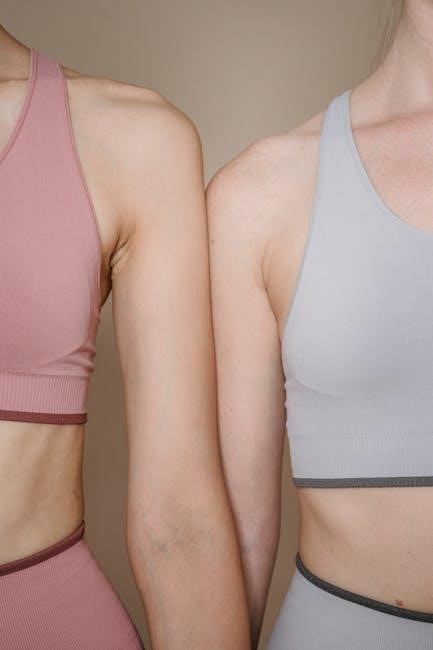
Bra Sizes for Larger Busts
Women with larger busts often navigate sizes beyond D cups‚ requiring specialized support and fit expertise; finding brands catering to fuller figures is essential for comfort․
Understanding DD+ Cup Sizes (E‚ F‚ G‚ and Beyond)
Venturing beyond a D cup often feels like entering a new alphabet of bra sizing‚ with sizes like DD‚ DDD‚ E‚ F‚ G‚ and beyond becoming the norm․ This isn’t about increasing breast size‚ but rather accurately reflecting volume․ Many women are unaware of their true size‚ often wearing bands that are too tight and cups that don’t fully contain their breast tissue․
The average American bra size is often misreported‚ and many women are simply wearing the wrong size‚ leading to discomfort and poor support․ Understanding that cup sizes correlate directly with band size is crucial․ A larger band size necessitates a smaller cup size to maintain the same overall volume․ For example‚ a 34D and a 36C have roughly the same volume‚ but the 36C distributes weight more comfortably․
Properly fitted bras in these larger cup sizes provide essential support‚ preventing strain on the back and shoulders․ Don’t hesitate to seek professional fittings‚ as self-measuring can be inaccurate․ Prioritizing a well-fitting bra is an investment in both comfort and long-term health․
Finding Support in Larger Sizes
Securing adequate support is paramount when wearing larger cup sizes‚ as standard bra designs may fall short․ Wider bands are essential‚ distributing weight more effectively across the torso and reducing pressure on the shoulders․ Look for bras with reinforced underwires‚ providing crucial lift and separation without digging or causing discomfort․
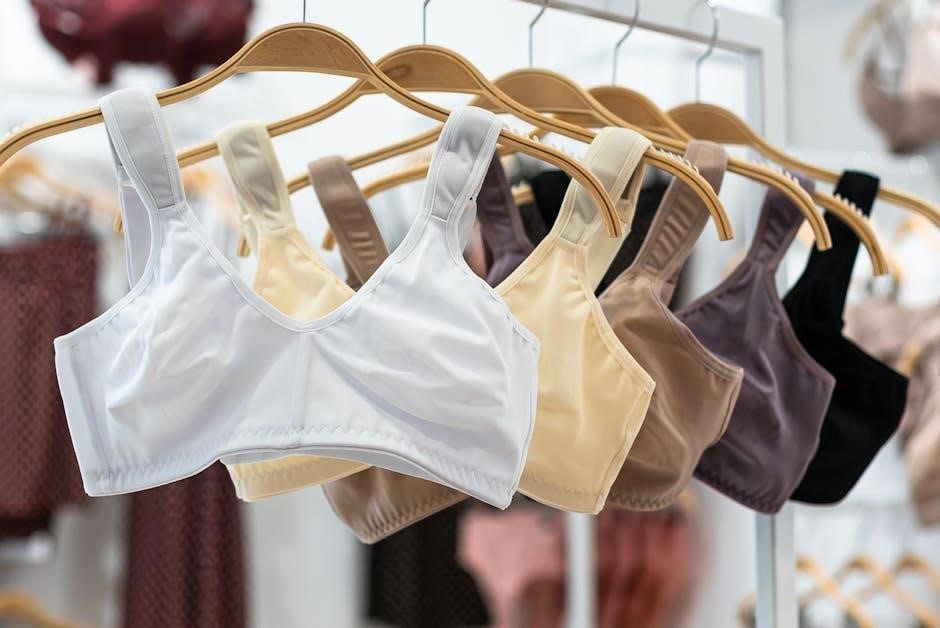
Full-coverage styles are often preferred‚ offering maximum containment and minimizing spillage․ Side support panels further enhance stability‚ preventing breast tissue from extending outwards․ Strong‚ adjustable straps are vital‚ ensuring a secure and customized fit․ Consider bras with multi-part cups‚ which offer superior shaping and support compared to single-piece constructions․

Don’t underestimate the importance of a firm‚ yet comfortable‚ band․ It should sit level around your ribcage and provide the majority of the support․ Regularly assess your bra’s fit‚ as your body can change over time‚ requiring adjustments or a new size․ Prioritizing support translates to improved posture and reduced back pain․
Specialized Brands for Larger Busts
Several brands specifically cater to women with larger busts‚ recognizing the unique fit challenges they present․ Uplifted Lingerie is noted for its extensive range of sizes‚ including hard-to-find options like K cups‚ and focuses on providing both comfort and support․ Elomi is another excellent choice‚ celebrated for its beautifully designed and exceptionally supportive bras‚ often featuring full-cup coverage and strong underwires․
Freya offers a blend of style and functionality‚ with a diverse selection of bras in larger sizes‚ incorporating fashionable designs without compromising on support․ Goddess bras are known for their robust construction and reliable lift‚ catering to women needing substantial support․ Panache provides a wide range of sizes and styles‚ including sports bras designed for high-impact activities․
When exploring these brands‚ prioritize reading reviews and utilizing their size guides․ Proper fit is crucial‚ and many offer virtual or in-person fitting services to ensure optimal comfort and support․