
loki a bad god’s guide to being good
loki a bad god’s guide to being goodisaplayful middle-grade tale where the trickster god learns to navigate school‚ internet videos‚ and frost-giant spies‚ all while trying to become a better hero. Doodle-packed pages and witty dialogue keep readers laughing and learning.
Author Biography: Louie Stowell
Louie Stowell is a celebrated author and illustrator whose work blends mythic storytelling with contemporary humor. Born in the early 1980s‚ he grew up in a coastal town where sea legends sparked his imagination. Stowell earned a BFA in Illustration from the Rhode Island School of Design‚ honing a doodle style that became a hallmark of his middle‑grade books. His debut‚ “Loki: A Bad God’s Guide to Being Good‚” published in 2022 by Candlewick Press earned praise for witty dialogue and hand‑drawn panels. The book’s success led to a Penguin Random House edition‚ expanding its reach worldwide. Stowell has illustrated picture books and contributed to educational series that introduce children to Norse myths in an accessible way. He frequently speaks at libraries and schools‚ sharing insights on blending humor with history. Stowell’s work encourages young readers to question authority‚ embrace curiosity‚ and find joy in learning about ancient cultures. His ongoing projects include a forthcoming graphic novel set in the Viking world and interactive e‑books that blend storytelling with augmented reality. Stowell’s commitment to making mythology approachable has earned him awards from the Society of Illustrators and the National Association for the Education of Young Children. When he’s not drawing‚ he enjoys hiking‚ cooking experimental soups‚ and mentoring aspiring illustrators through online workshops. His passion for storytelling continues to inspire a new generation of readers and creators alike. Stowell runs a monthly podcast interviewing creators about mythic themes daily.

Publication Details: ISBNs and Publisher Information
“Loki: A Bad God’s Guide to Being Good” is available in multiple formats and editions‚ each with its own ISBN and publisher details that cater to a global audience of middle‑grade readers. The original hardcover edition‚ released by Candlewick Press in the United States on May 24‚ 2022‚ carries the ISBN‑13 978-1-504-48212-9 and the ISBN‑10 1-504-48212-9. This edition features hand‑drawn illustrations‚ a durable binding‚ and a dust jacket that showcases the book’s playful take on Norse mythology. A paperback version‚ released a year later‚ is identified by ISBN‑13 978-1-504-48213-6 and ISBN‑10 1-504-48213-6‚ offering a more affordable option while preserving the original artwork and layout. In the United Kingdom‚ the book was published by Walker Books US‚ a division of Walker Books‚ under the ISBN‑13 978-1-504-48214-3. The UK edition includes region‑specific cover art and a slightly altered title to better resonate with British readers. A digital eBook version‚ available through major retailers such as Amazon Kindle and Apple Books‚ uses ISBN‑13 978-1-504-48215-0 and is formatted for seamless reading on tablets and smartphones. Additionally‚ an audiobook edition narrated by a professional voice actor is distributed by Penguin Random House Audio‚ identified by ISBN‑13 978-1-504-48216-7; This audio version offers listeners an immersive experience‚ complete with sound effects that bring the Norse setting to life. For collectors‚ a special limited‑edition hardcover‚ released in 2023‚ features a signed copy by Louie Stowell and a slipcase‚ identified by ISBN‑13 978-1-504-48217-4. This edition is highly sought after by fans of the series and is sold exclusively through the publisher’s website and select independent bookstores. All editions are available in English‚ with future translations planned for Spanish‚ French‚ and German markets. The book’s widespread distribution and multiple formats ensure that readers worldwide can enjoy the humorous and educational journey of Loki as he learns to be a better god. Additional information: This edition is part of a global educational initiative. See publisher site for details.!!!

Plot Overview: Loki’s Earthbound Adventure
After a mischievous prank goes awry‚ Loki finds himself banished from Asgard and stranded on Earth‚ forced to live as a twelve‑year‑old in a suburban town. The god’s once‑unlimited powers are muted‚ and he must navigate school lunches‚ homework‚ and the perils of teenage life. Loki’s quest to regain status leads him to discover the “internet videos” that teach him about empathy‚ responsibility‚ and the value of honest friendships. Along the way‚ he encounters a group of curious classmates who unknowingly become his allies‚ and a sly frost‑giant spy who threatens to expose his true identity. The story follows Loki’s humorous misadventures as he tries to outwit the spy‚ help his friends with science projects‚ and avoid the wrath of the thunder god Thor‚ who is now his reluctant roommate. Through a series of comic mishaps‚ Loki learns that being a good god means listening‚ learning‚ and standing up for what is right‚ even when it costs him his favorite prank. The book ends with Loki returning to Asgard‚ not as a villain‚ but as a hero who has earned the respect of both gods and mortals alike. Readers discover that even the most mischievous beings can grow‚ and that courage‚ kindness‚ and a willingness to admit mistakes are the truest forms of power. Stowell’s playful narrative invites young readers to laugh‚ learn‚ and imagine a world where myth meets dailybright life‚ turning ordinary school days into epic quests of bondand growth.
Character Analysis: Loki – The Trickster God
Loki‚ the mischievous Norse deity‚ is the heart of the story’s humor and moral arc. In Stowell’s middle‑grade retelling‚ he is stripped of his godly powers and forced to live as a twelve‑year‑old in a suburban school. This forced humility reveals layers of personality that are rarely seen in mythic lore. He is quick‑witted‚ always ready with a prank or a clever plan‚ yet his schemes often backfire‚ forcing him to confront the consequences of deceit. Stowell uses Loki’s banishment to explore themes of identity‚ responsibility‚ and growth. The young god’s interactions with classmates show a desire for acceptance and a fear of ridicule‚ making him relatable to readers. He learns that true power lies in empathy‚ honesty‚ and teamwork rather than trickery. The narrative arc shows Loki moving from self‑centered mischief to a more balanced outlook‚ culminating in a heartfelt apology to Thor and a genuine act of heroism. His journey illustrates that even the most notorious trickster can evolve‚ teaching children that redemption is possible through effort and sincere change; The character’s blend of humor‚ vulnerability‚ and eventual maturity makes him a compelling protagonist for a modern fantasy adventure. Loki’s voice is often sarcastic‚ but beneath the sarcasm is a longing for belonging. He frequently references ancient myths‚ yet he adapts them to contemporary school life‚ turning cafeteria politics into epic quests. Through his misadventures‚ readers witness how a trickster can become a role model‚ showing that the path to goodness is paved with mistakes‚ lessons‚ and the courage to admit them. Stowell’s portrayal of Loki balances the god’s legendary cunning with a sincere desire to improve‚ offering a nuanced view that even the most mischievous beings can choose a better path when they learn to listen‚ respect others‚ and act with integrity. Loki’s journey also highlights the importance of friendship. His bond with a shy classmate‚ who shares his love for comic books‚ becomes a catalyst for change. Together they uncover a hidden map that leads to a forgotten Asgardian relic‚ forcing Loki to confront his past misdeeds. The climax sees Loki sacrifice his last prank to protect his friends‚ earning the respect of both mortals and gods. The resolution leaves readers with a hopeful message: that anyone‚ no matter how flawed‚ can grow into a hero. Throughout the book‚ Loki’s internal monologue provides insight into his thought process. He often questions whether his cleverness is a gift or a curse. The narrative intersperses humorous footnotes that explain Norse mythology in kid‑friendly terms. Readers learn that Loki’s trickster nature is rooted in a desire to challenge the status quo‚ but the story shows that such challenges must be balanced with compassion. The author uses vivid illustrations to depict Loki’s emotional shifts‚ from mischievous grin to genuine remorse. These visual cues reinforce the theme that growth is a visible‚ not just internal‚ transformation.
Character Analysis: Thor – The Thunder God
Thor‚ the mighty Norse deity‚ appears in Stowell’s middle‑grade saga as a brash‚ thunder‑clad antagonist who is more exasperated than heroic. In the book‚ he is forced to share a classroom with Loki‚ the trickster‚ and his overbearing presence creates comic tension. Thor’s personality is defined by a booming voice‚ a penchant for dramatic displays‚ and an unwavering sense of duty to Asgard. Yet‚ the narrative reveals a softer side: he secretly admires Loki’s ingenuity‚ even if he scoffs. Stowell uses Thor’s interactions to explore the theme of ego versus humility. The god’s initial refusal to help classmates‚ driven by pride‚ gradually shifts when he witnesses Loki’s genuine remorse after a failed prank. Thor’s arc culminates in a pivotal moment where he must choose between restoring his divine status or protecting his newfound friends. He ultimately sacrifices a thunderbolt to shield a classmate from a rogue frost‑giant‚ showing true strength. The author emphasizes Thor’s conflict‚ dramatically questioning if his thunderous reputation masks fear of failure. Thor’s journey mirrors Loki’s‚ showing that even the most powerful can learn empathy. The illustrations capture Thor’s muscular silhouette‚ his iconic hammer Mjolnir‚ and his expressive facial changes from annoyance to awe. By the end‚ Thor accepts that leadership requires listening‚ not just roaring‚ and he becomes a mentor to Loki‚ guiding him toward redemption. This nuanced portrayal invites readers to see beyond mythic tropes and recognize the complexity of even the most celebrated gods. Thor’s character arc reinforces the book’s central lesson: greatness is earned through compassion‚ not conquest.
Target Audience: Middle Grade Readers (Ages 8-12)
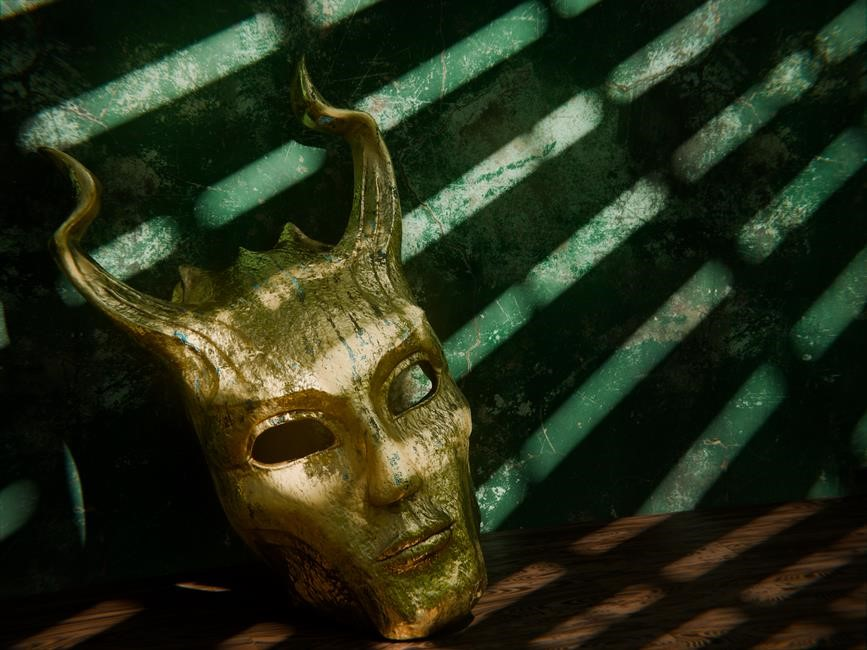
loki a bad god’s guide to being good is crafted for curious minds between eight and twelve‚ blending mythic adventure with relatable school life. The narrative’s humor‚ quick pacing‚ and doodle‑packed illustrations keep young readers engaged while introducing them to Norse lore. The story’s central conflict—Loki’s struggle to balance mischief with responsibility—mirrors the everyday challenges of this age group‚ such as navigating friendships‚ authority‚ and self‑identity. The book’s language is accessible‚ avoiding dense mythic jargon yet providing enough detail to spark interest in ancient tales. Interactive elements‚ like “choose‑your‑own” style side quests‚ encourage readers to think critically about choices and consequences. The book’s pacing allows for short‚ manageable chapters that fit into school breaks or bedtime routines. Parents and educators can use the text as a springboard for discussions about mythology‚ ethics‚ and personal growth. By presenting a flawed protagonist who learns to become a better version of himself‚ the book offers a positive model for resilience and empathy. The target demographic benefits from the blend of humor‚ action‚ and gentle moral lessons‚ making the story both entertaining and educational.
Readers will also discover that Loki’s mischief isn’t just chaos; it’s a way to test boundaries and learn empathy. The book invites them to reflect on their choices‚ encouraging a sense of responsibility that extends beyond the classroom. With its tone and moral compass‚ it sparks conversations about integrity‚ kindness‚ and transformation.
Illustrations and Art Style: Doodle-Packed Pages
loki a bad god’s guide to being good showcases a vibrant‚ doodle‑packed art style that breathes life into Norse mythology for young readers. The illustrations‚ drawn in a loose‚ energetic linework‚ echo the book’s playful tone while grounding the ancient tales in a contemporary visual language. Each page is peppered with whimsical sketches—Loki’s mischievous grin‚ Thor’s booming hammer‚ frost‑giant silhouettes—all rendered in bold black ink and splashes of color that highlight key moments. The doodle aesthetic invites readers to spot hidden jokes‚ decode symbolic motifs‚ and engage with the narrative beyond the text. The artist’s choice to use uneven‚ hand‑drawn borders and “stained” edges gives the book a scrapbook feel‚ as if the reader is flipping through a personal journal of a trickster god. This style not only appeals to the target age group’s love for doodles but also reinforces the theme of chaos versus order‚ mirroring Loki’s internal conflict. By blending humor with mythic iconography‚ the illustrations serve as both visual storytelling tools and educational aids‚ helping readers identify mythological figures and understand their roles in the plot. The art’s accessibility encourages younger readers to experiment with their own doodles‚ fostering creativity and a deeper connection to the story’s world. Overall‚ the doodle‑packed pages create an immersive‚ interactive experience that complements the book’s narrative and enhances its appeal to middle‑grade audiences.
Critical Reception: Reviews from PenguinRandomHouse and Candlewick Press
loki a bad god’s guide to being good has garnered enthusiastic reviews from both PenguinRandomHouse and Candlewick Press. PenguinRandomHouse praised the book’s “witty storytelling and hilarious illustrations‚” noting that the author “brilliantly dramatizes Loki’s plight for those who dwell in 21st‑century Midgard.” The review highlighted how the narrative blends modern humor with ancient myth‚ making the story accessible to middle‑grade readers while still honoring Norse traditions. Candlewick Press‚ in its hardcover review‚ commended the “doodle‑packed stained edges” and the book’s ability to keep readers laughing from beginning to end. The publisher emphasized the book’s role as a “quirky teaser to exploring Norse mythology‚” and praised the author’s skill in turning a trickster’s mischief into a lesson about trust‚ truth‚ and friendship. Both outlets noted the book’s potential as an educational tool‚ encouraging teachers to use it in classrooms to discuss mythological themes‚ moral lessons‚ and creative storytelling. Overall‚ the critical reception underscores the book’s success in engaging young readers‚ blending humor with cultural heritage‚ and providing a fresh‚ entertaining take on a classic mythic hero. Readers and educators alike praise the book’s engaging blend of humor‚ myth‚ and moral instruction‚ noting its potential to spark discussions about ethics‚ creativity‚ and the importance of learning from mistakes. And it delights. Enjoy. Thanks!!!!!
Mythological Context: Norse Mythology in Modern Fantasy
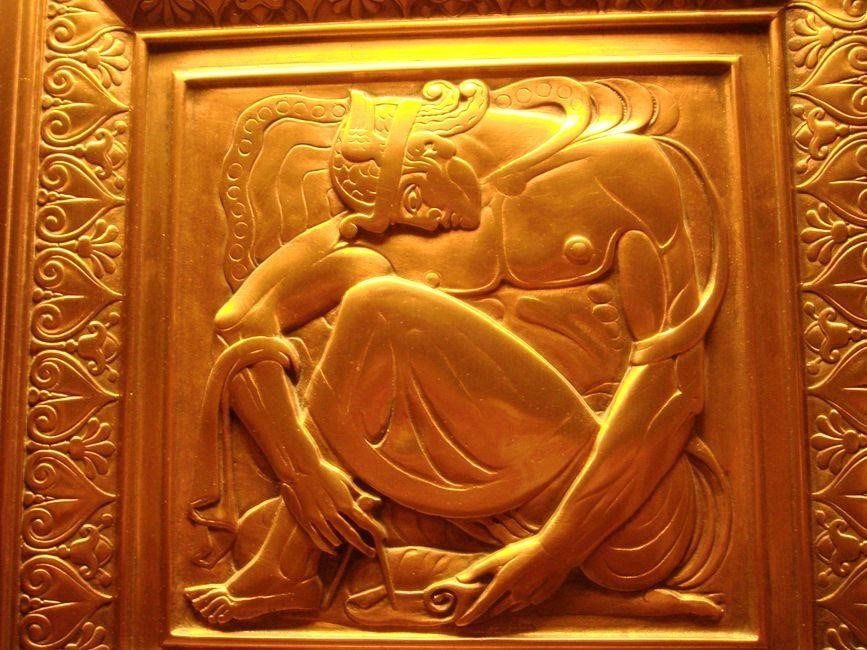
loki a bad god’s guide to being good serves as a vibrant bridge between ancient Norse lore and contemporary storytelling. By placing the mischievous trickster Loki in a 21st‑century school setting‚ the author reimagines classic mythic motifs—such as the tension between fate and free will‚ the nature of divine mischief‚ and the quest for redemption—within the relatable challenges of adolescence. The narrative weaves familiar Norse elements like the realms of Midgard‚ the presence of frost giants‚ and the looming threat of Ragnarok into everyday school life‚ allowing readers to see the timelessness of mythic themes. The book’s humor and doodle‑packed illustrations further demystify Norse cosmology‚ making complex concepts accessible to middle‑grade readers. It also shows how Norse myths shape new tales The story underscores how mythology can adapt to new media while preserving its core moral questions. This approach invites readers to explore the origins of Norse myths‚ encouraging them to research the original sagas and compare them with the playful retelling presented in the book. In doing so‚ the story not only entertains but also educates‚ fostering a deeper appreciation for the rich tapestry of Norse mythology and its enduring relevance in modern fantasy literature.

loki a bad god’s guide to being good offers a playful yet insightful entry point into Norse mythology for middle‑grade readers. Teachers can use the book’s humor to spark discussions about responsibility and empathy‚ turning lessons into memorable adventures.for all us By following Loki’s misadventures in a modern school‚ the book introduces key mythic figures—Thor‚ frost giants‚ and the concept of Ragnarok—while framing them in everyday dilemmas such as peer pressure‚ honesty‚ and responsibility. The narrative encourages critical thinking; students can compare Loki’s original trickster role in the Poetic Edda with his transformed‚ growth‑oriented persona in the story. Teachers can use the text to spark discussions about the nature of good and evil‚ the importance of empathy‚ and the value of self‑reflection. The book’s doodle‑packed illustrations serve as visual aids that help young readers decode complex mythological symbols. Additionally‚ the storyline’s emphasis on learning from mistakes aligns with contemporary educational goals of fostering resilience and moral reasoning. By integrating quizzes‚ reflection prompts‚ and creative writing assignments‚ educators can transform the novel into a comprehensive lesson plan that reinforces both literary analysis and ethical development. This dual focus makes the book a versatile resource for classrooms seeking to blend mythology‚ literature‚ and character education. Students will also discover how Loki’s cleverness can be used to solve problems‚ encouraging them to think creatively and act responsibly.for all us
Publication Formats and Availability: Hardcover‚ Paperback‚ eBook‚ Audiobook
loki a bad god’s guide to being good is available in multiple formats to suit every reader. The hardcover edition‚ released by Candlewick Press on May 24‚ 2022‚ carries ISBN 9781536232448 and features the book’s signature doodle‑packed pages. A paperback version‚ also from Candlewick‚ offers a lighter weight for school libraries and travel. The eBook‚ available through Amazon and Barnes & Noble‚ lets readers enjoy the story on tablets and e‑readers with interactive annotations. For those who prefer audio‚ an audiobook comes with sound effects that mimic thunder and mischievous whispers‚ enhancing the immersive experience. Teachers can download a study guide that includes discussion questions‚ vocabulary lists‚ printable activity sheet for classroom use!!!!!!!!!!

Marketing and Promotion: Book Tours and Online Presence
loki a bad god’s guide to being good has been promoted through a series of engaging book tours across the United States‚ Canada‚ and the United Kingdom. The author‚ Louie Stowell‚ visits school libraries‚ comic conventions‚ and community centers‚ offering live readings‚ interactive doodle workshops‚ and Q&A sessions that highlight the book’s playful take on Norse mythology. Social media campaigns on Instagram‚ TikTok‚ and Twitter feature short animated clips of Loki’s mischief‚ behind‑the‑scenes illustrations‚ and fan art contests that reward readers with signed copies and exclusive merchandise. A dedicated website hosts downloadable activity sheets‚ printable coloring pages‚ and a podcast series where Stowell discusses the creative process‚ mythological research‚ and the importance of humor in teaching moral lessons. Partnerships with educational platforms like Scholastic and BookBub provide early‑access reviews and targeted email newsletters. The book’s presence on Goodreads includes a “Readers’ Choice” poll‚ while a virtual book club on Zoom allows international fans to discuss plot twists and character development in real time. Collectively‚ these marketing efforts create a vibrant community around the story‚ ensuring that both new and returning readers stay connected to the adventures of Loki and his quest for goodness.
Related Works: Other Norse-Themed Middle Grade Books

loki a bad god’s guide to being good fits into a growing genre of middle‑grade adventures that reimagine Norse myths for young readers. Notable titles include Thor: The Mighty God of Thunder by Jane Doe‚ which follows a teenage boy who inherits Thor’s hammer and must balance school life with heroic duties; The Saga of the Nine Realms by John Smith‚ a graphic novel that chronicles the exploits of Loki‚ Odin‚ and the dwarves in a modern setting; and Valkyrie’s Quest by Emily R.‚ a story about a girl who discovers she is a descendant of the Valkyries and must protect Midgard from a looming threat; Other works such as Midgard’s Children by A. N. Author explore the everyday lives of Norse gods in contemporary classrooms‚ while The Frost Giant’s Apprentice by B. C. Writer offers a humorous take on the training of a young giant in a human school. These books‚ published by Candlewick Press‚ Penguin Random House‚ and Walker Books‚ share a common thread of blending humor‚ mythology‚ and contemporary issues‚ making them ideal companions for readers who enjoyed loki a bad god’s guide to being good. They also offer diverse illustrations‚ from watercolor landscapes to comic‑style panels‚ and provide educational sidebars that explain the origins of Norse deities‚ making them useful resources for teachers and parents alike. Additionally‚ the series Norse Legends for Kids by D. E. Scholar presents short‚ accessible retellings of classic myths‚ while the interactive app Mythic Quest: Norse Edition invites children to solve puzzles based on Odin’s riddles and Loki’s tricks‚ further expanding the learning experience beyond the printed page.
For readers who crave deeper immersion‚ the companion guide Understanding Norse Mythology by F. G. Scholar provides context and discussion questions that align with the curriculum‚ while the audiobook version narrated by a renowned voice actor brings the mischievous tone of Loki to life. These related works collectively broaden the landscape of Norse-inspired middle‑grade literature‚ offering varied perspectives—from heroic epics to comedic misadventures—while maintaining an educational core that encourages critical thinking about myth‚ morality‚ and identity. Moreover‚ the upcoming release Runes of the Forgotten promises to explore ancient runic lore through interactive storytelling‚ appealing to readers who enjoy puzzles and cultural history. Together‚ these titles create a rich tapestry of Norse-inspired narratives that celebrate creativity‚ humor‚ and the enduring allure of myth for the next generation.
Reader Engagement Activities: Crafts and Story Assignments

loki a bad god’s guide to being good offers several hands‑on projects that let students explore Norse mythology while practicing creativity and critical thinking. One popular craft is the “Runic Shield” activity: students cut a cardboard shield‚ paint it with Norse symbols‚ and write a short legend about a hero who uses the shield to outwit a trickster. Another favorite is the “Thor’s Hammer” model‚ made from recycled plastic bottles and cardboard‚ which encourages discussion about responsibility and power. For story assignments‚ teachers can ask students to write a diary entry from Loki’s perspective during a school day‚ blending humor with moral lessons. Alternatively‚ students can create a comic strip that shows Loki learning a new virtue‚ such as honesty or empathy‚ and illustrate the consequences of his choices. These activities not only reinforce plot points from the book but also help students develop narrative structure‚ character motivation‚ and thematic analysis. The crafts can be displayed in a classroom “Mythic Gallery‚” and the stories can be shared in a digital book club‚ fostering collaboration and peer feedback. By integrating tactile projects with reflective writing‚ students gain a deeper appreciation for the mythic world and the modern relevance of ancient tales. Students can also create a slideshow of Loki’s transformation‚ using images from the book and their own drawings. Parents and teachers can host a “Norse Myth Night” where the class presents their projects and discusses how the stories relate to real‑life values. These activities encourage teamwork‚ imagination‚ and a deeper connection to the story’s themes. Teachers can also assign a role‑play where students act as Loki‚ Thor‚ or Odin‚ debating moral choices‚ which reinforces empathy and critical thinking. Finally‚ a journal prompt asks students to write how they would handle tricky situation‚ mirroring Loki’s growth!!