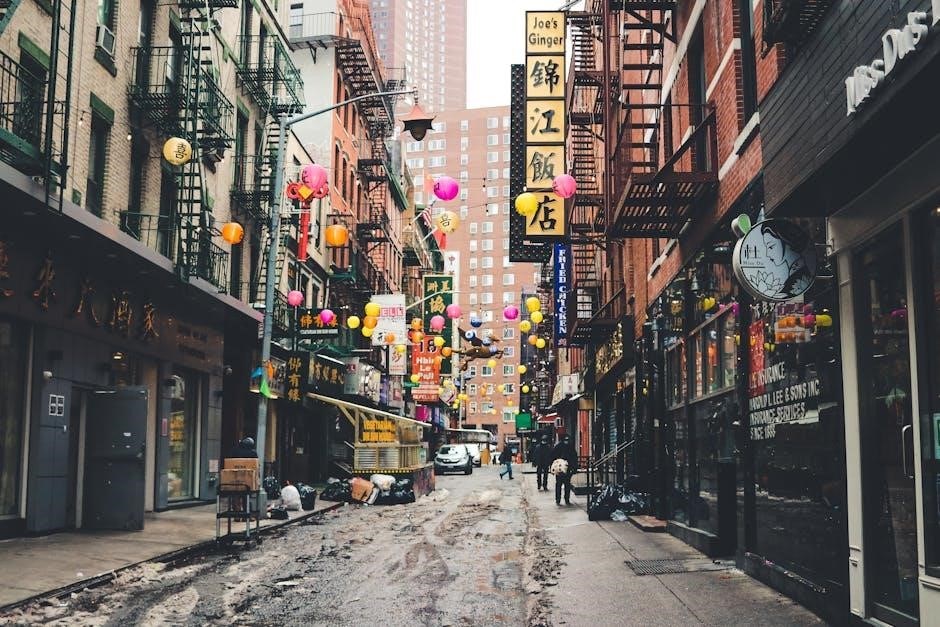
Lower East Side Neighborhood Guide: A Comprehensive Overview
The Lower East Side, historically a gateway for immigrants, blends diverse cultures and offers a rich tapestry of experiences within Manhattan’s vibrant core.
Historical Roots & Immigration Waves
The Lower East Side’s story is deeply intertwined with waves of immigration, beginning with early Dutch settlements and evolving into a major entry point for newcomers to America. Historically, it served as the initial foothold for those seeking opportunity, particularly during the 19th and early 20th centuries.
Successive groups – Germans, Irish, Jewish, and Italian communities – each left their indelible mark on the neighborhood’s character. The area became synonymous with tenement life and the challenges faced by those striving for a better life. This constant influx of diverse populations forged a unique cultural melting pot, shaping the Lower East Side into the dynamic and historically significant neighborhood it is today.
Early Settlement & Dutch Influence
The Lower East Side’s origins trace back to the early Dutch colonial period, initially as farmland and estates outside of New Amsterdam. Dutch settlers established farms and trading posts, laying the groundwork for future development. This early period saw a relatively sparse population, primarily focused on agricultural pursuits and commerce along the waterways.
Dutch influence is still subtly visible in the street grid and some architectural remnants. While not as prominent as in other Manhattan neighborhoods, the Dutch legacy established a foundation for the area’s eventual growth into a bustling urban center. This initial settlement pattern shaped the land use and set the stage for the diverse communities that would later call the Lower East Side home.
The 19th-Century Immigrant Gateway
Throughout the 19th century, the Lower East Side transformed into the primary entry point for waves of European immigrants arriving in New York City. Driven by economic hardship and political upheaval, newcomers from Ireland, Germany, and later Eastern Europe flocked to this affordable neighborhood. It quickly became synonymous with the immigrant experience, a bustling hub of new languages, customs, and aspirations.
The area’s proximity to shipping docks and relatively low rents made it ideal for those seeking a foothold in America. This influx dramatically altered the neighborhood’s demographics and character, establishing a vibrant, yet often challenging, environment for its residents.
Tenement Life & Social Conditions
Life in the Lower East Side’s tenements during the 19th and early 20th centuries was notoriously harsh. Overcrowding was rampant, with multiple families often crammed into single-room apartments lacking adequate ventilation, sanitation, and light. These conditions fostered the spread of disease and contributed to high infant mortality rates.
Despite the hardships, a strong sense of community flourished. Mutual aid societies and local organizations provided crucial support networks for navigating the challenges of assimilation and poverty. Tenement life, while difficult, represented a starting point and a symbol of hope for countless immigrants seeking a better future.
Cultural Melting Pot: A Diverse Community
The Lower East Side truly embodies the “melting pot” ideal, historically serving as a primary entry point for successive waves of immigrants. Initially welcoming Dutch settlers, it later became a haven for German, Irish, Jewish, and Italian communities, and more recently, Hispanic and Latino populations. This constant influx created a vibrant, layered cultural landscape.
Each group contributed unique traditions, languages, cuisines, and artistic expressions, enriching the neighborhood’s identity. This diversity fostered a dynamic environment where cultures intersected and blended, shaping the Lower East Side into the eclectic and resilient community it is today.
Jewish Influence & Synagogues
The Lower East Side became a central hub for Jewish immigrants, particularly from Eastern Europe, in the late 19th and early 20th centuries. This influx profoundly shaped the neighborhood’s character, establishing a thriving Jewish community and a network of synagogues that served as religious, social, and cultural centers.
Numerous historic synagogues, many still active today, stand as testaments to this legacy. These institutions weren’t merely places of worship; they were vital community anchors, providing support, education, and a sense of belonging for newcomers navigating a new world. The Jewish influence remains deeply embedded in the area’s identity.
Italian-American Presence & Little Italy’s Proximity
The Lower East Side’s history is inextricably linked to the adjacent neighborhood of Little Italy. While Little Italy is more concentrated, Italian immigration significantly impacted the Lower East Side, creating a vibrant Italian-American presence that coexisted and sometimes intertwined with the existing Jewish community.
Many Italian immigrants settled in the area, establishing businesses, restaurants, and social organizations. This proximity fostered a cultural exchange, contributing to the neighborhood’s diverse character. Though Little Italy has shrunk over time, its influence remains visible, particularly in the culinary landscape and the enduring sense of community.
Hispanic/Latino Community Growth
The Lower East Side experienced substantial growth in its Hispanic and Latino population, becoming a significant cultural hub. Beginning in the mid-20th century, Puerto Rican migration, followed by communities from the Dominican Republic and other Latin American countries, dramatically reshaped the neighborhood’s demographics and character.
This influx brought new businesses, vibrant cultural expressions, and a distinct community identity. Today, the Lower East Side reflects this heritage through its cuisine, music, and community organizations. Representing 18.5% of the US population, the Hispanic/Latino influence continues to evolve and enrich the area’s dynamic social fabric.
Landmarks & Points of Interest
The Lower East Side boasts a compelling collection of landmarks reflecting its layered history. The Tenement Museum vividly portrays immigrant life, while Katz’s Delicatessen remains an iconic culinary institution. The Lower East Side Tenement National Historic Site offers further insight into the area’s past.
Beyond these, the neighborhood’s streets reveal a unique architectural blend and a thriving arts scene. Proximity to Little Italy adds to the cultural richness. Exploring these points of interest provides a tangible connection to the stories and struggles that shaped this dynamic Manhattan enclave, offering a glimpse into its enduring spirit.
Tenement Museum
The Tenement Museum at 103 Orchard Street is a cornerstone of the Lower East Side, powerfully illustrating the immigrant experience. Through meticulously preserved apartments and engaging tours, visitors encounter the lives of families who once called these buildings home. It’s a deeply moving exploration of hardship, hope, and adaptation.
The museum doesn’t just display artifacts; it tells stories. Exhibits detail the challenges of tenement life, the diverse waves of immigration, and the pursuit of the American Dream. It’s a vital resource for understanding the neighborhood’s cultural fabric and the enduring legacy of its residents.
Katz’s Delicatessen
Katz’s Delicatessen, a Lower East Side institution since 1888, is far more than just a restaurant; it’s a cultural landmark. Famous for its towering pastrami on rye, hand-cut daily, and its lively atmosphere, Katz’s embodies the neighborhood’s historic Jewish culinary traditions.
The deli’s iconic status was cemented by its appearance in the film “When Harry Met Sally…”, forever linking it to New York City lore. Expect a bustling scene, a bit of a wait, and an unforgettable sandwich. It’s a true taste of old New York, brimming with flavor and history.
The Lower East Side Tenement National Historic Site
The Lower East Side Tenement National Historic Site offers a poignant glimpse into the lives of immigrant families who shaped the neighborhood. Preserved tenement buildings at 97 Orchard Street reveal the cramped living conditions and struggles faced by generations of newcomers to America.
Guided tours vividly recount the stories of families from diverse backgrounds – Irish, Italian, Jewish, and more – who sought a better life within these walls. It’s a powerful and moving experience, providing invaluable insight into the immigrant experience and the social history of New York City.
Food & Dining Scene
The Lower East Side’s food scene is a dynamic reflection of its cultural heritage and modern innovation. Traditional Jewish delis, like Katz’s, remain iconic, serving up classic pastrami on rye and other beloved staples. However, the neighborhood has blossomed into a culinary hotspot, embracing emerging trends and international flavors.
Expect to find everything from trendy cafes and innovative restaurants to authentic Hispanic/Latino cuisine. The area offers a diverse range of dining experiences, catering to every palate and budget. It’s a true foodie paradise, constantly evolving and surprising visitors with its vibrant offerings.
Traditional Jewish Delis
The Lower East Side is synonymous with traditional Jewish delis, institutions that have shaped the neighborhood’s culinary identity for generations. These establishments, steeped in history, offer a taste of old-world New York, serving generous portions of classic comfort food.
Katz’s Delicatessen stands as the most famous example, renowned for its towering pastrami sandwiches and lively atmosphere. Other delis continue the tradition, offering matzo ball soup, knishes, and other Jewish specialties. They represent a vital link to the neighborhood’s immigrant past and remain a beloved dining experience.
Emerging Culinary Trends
The Lower East Side’s food scene isn’t solely rooted in tradition; it’s a hotbed for emerging culinary trends. While classic delis endure, a wave of innovative restaurants and eateries are redefining the neighborhood’s gastronomic landscape.
Expect to find globally-inspired cuisine, inventive tasting menus, and a focus on locally-sourced ingredients. Small plates and shareable dishes are popular, encouraging a social dining experience. Chefs are experimenting with fusion flavors and modern techniques, attracting a diverse clientele. This dynamic shift demonstrates the Lower East Side’s adaptability and continued relevance as a culinary destination.
International Cuisine Options
The Lower East Side boasts a remarkably diverse range of international cuisine, reflecting its history as a haven for immigrants. Beyond the well-established Jewish and Italian influences, you’ll discover flavors from across the globe.
Explore authentic Chinese eateries, vibrant Vietnamese pho shops, and spicy Korean BBQ restaurants. Latin American flavors are prominent, with options ranging from traditional Mexican taquerias to upscale Peruvian ceviche bars. African and Eastern European cuisines also have a growing presence. This culinary diversity makes the Lower East Side a true global food hub, offering something to satisfy every palate.
Arts & Entertainment
The Lower East Side pulses with a vibrant arts and entertainment scene, fostering creativity and independent expression. Numerous live music venues showcase emerging artists and established acts across various genres, from rock and punk to jazz and electronic music;
Explore a thriving network of art galleries and studios, displaying contemporary works and hosting artist talks. Independent theaters offer cutting-edge performances and film screenings, providing alternatives to mainstream entertainment. The neighborhood’s gritty aesthetic and artistic spirit attract a diverse crowd, making it a hub for cultural exploration and innovation.
Live Music Venues
The Lower East Side boasts a legendary reputation for its dynamic live music venues, catering to a wide spectrum of musical tastes. From intimate clubs to larger concert halls, the area consistently showcases both emerging talents and established artists. Venues frequently feature genres like punk, rock, indie, and experimental electronic music.
Historically, these spaces have served as breeding grounds for influential bands and movements. Today, they continue to offer an authentic and energetic atmosphere, attracting music lovers seeking a raw and unfiltered experience. Discovering new sounds and enjoying captivating performances is a cornerstone of the Lower East Side’s nightlife.
Art Galleries & Studios
The Lower East Side has long been a haven for artists, fostering a thriving community of art galleries and studios. This neighborhood provides a platform for both established and emerging artists to showcase their work, spanning diverse mediums like painting, sculpture, photography, and mixed media. Many galleries are independently owned, contributing to the area’s unique and alternative art scene.
Walking through the streets, visitors can often glimpse artists at work in their studios, adding to the creative energy. The concentration of artistic expression makes the Lower East Side a compelling destination for art enthusiasts and collectors alike, offering a constantly evolving visual landscape.
Independent Theaters
The Lower East Side boasts a vibrant performing arts scene, largely driven by its collection of independent theaters. These venues offer a refreshing alternative to mainstream Broadway productions, showcasing experimental works, off-Broadway plays, and innovative performances. They provide crucial space for emerging playwrights, actors, and directors to hone their craft and connect with audiences.
These intimate theaters often feature cutting-edge and thought-provoking productions, fostering a sense of community and artistic exploration. Supporting these independent theaters is vital for preserving the Lower East Side’s unique cultural character and ensuring continued artistic innovation.
Shopping & Boutiques
The Lower East Side is a haven for shoppers seeking unique finds beyond mainstream retail. The neighborhood excels in vintage clothing stores, offering curated selections of retro fashion and one-of-a-kind pieces. Alongside these, numerous independent boutiques showcase the talents of local designers, presenting handcrafted jewelry, apparel, and art.
Specialty food shops add to the diverse retail landscape, providing artisanal cheeses, cured meats, and international delicacies. Exploring these shops offers a glimpse into the neighborhood’s cultural richness and supports small businesses, contributing to its distinctive character and vibrant atmosphere.
Vintage Clothing Stores
The Lower East Side boasts a remarkable concentration of vintage clothing stores, attracting fashion enthusiasts and bargain hunters alike. These aren’t simply resale shops; they are carefully curated collections spanning decades of style, from flapper dresses to 90s grunge. Many specialize in particular eras or aesthetics, offering a treasure trove for those with a specific vision.
Expect to discover unique pieces, designer labels at accessible prices, and a sustainable alternative to fast fashion. The thrill of the hunt is a key part of the experience, with each store offering a distinct personality and a constantly evolving inventory.
Unique Boutiques & Local Designers
The Lower East Side is a haven for independent boutiques and emerging local designers, offering a refreshing contrast to mainstream retail. These shops showcase handcrafted jewelry, innovative apparel, and one-of-a-kind art pieces, reflecting the neighborhood’s creative spirit. You’ll find designers pushing boundaries and experimenting with materials, creating truly unique offerings.
Supporting these businesses means investing in the local economy and discovering pieces you won’t find anywhere else; Many boutiques host events and collaborations, fostering a sense of community and providing a platform for artistic expression. It’s a place to find something special.
Specialty Food Shops
The Lower East Side boasts a remarkable collection of specialty food shops, catering to diverse palates and culinary traditions. Beyond the famed delis, you’ll discover shops offering imported cheeses, artisanal chocolates, and exotic spices. These establishments often source ingredients directly, ensuring quality and authenticity.
Explore shops dedicated to specific cuisines, reflecting the neighborhood’s immigrant history. From Eastern European delicacies to Latin American staples, there’s a flavor for every craving. These shops aren’t just places to buy food; they’re cultural experiences, offering a taste of the world within a few city blocks.
Parks & Green Spaces
The Lower East Side, despite its dense urban landscape, offers pockets of green respite. Sara D. Roosevelt Park provides a lengthy stretch of greenery, popular for recreation and community events. It features basketball courts, playgrounds, and ample space for relaxation.
Hamilton Fish Park, another vital space, offers similar amenities alongside a swimming pool and recreational facilities. These parks serve as crucial gathering places, fostering a sense of community. They provide much-needed open space for residents and visitors alike, offering a break from the bustling city streets.
Sara D. Roosevelt Park
Sara D. Roosevelt Park stretches several blocks through the Lower East Side, offering a vital green space within the densely populated neighborhood. Originally conceived during the City Beautiful movement, the park provides a much-needed recreational outlet for residents.
Visitors can enjoy basketball courts, playgrounds, and expansive lawns perfect for picnics or simply relaxing. The park frequently hosts community events, fostering a strong neighborhood spirit. Its linear design creates a pedestrian-friendly corridor, connecting different sections of the Lower East Side and enhancing walkability.
Hamilton Fish Park
Hamilton Fish Park, located on the Lower East Side, is a significant recreational area offering a diverse range of facilities for the community. This park boasts a swimming pool, baseball fields, basketball courts, and a playground, catering to various interests and age groups.
Beyond sports, Hamilton Fish Park features community gardens where residents can cultivate plants and foster a sense of collective ownership. The park’s vibrant atmosphere and accessible amenities make it a popular gathering place, contributing to the neighborhood’s lively character and providing essential green space.
Transportation & Accessibility
The Lower East Side enjoys excellent transportation links, making it easily accessible from various parts of New York City. Several subway lines serve the area, including the F, M, J, and Z trains, with stations conveniently located throughout the neighborhood. Numerous bus routes also traverse the Lower East Side, providing additional public transit options.
Furthermore, the neighborhood is remarkably walkable, encouraging exploration on foot. Bike-friendliness is increasing with dedicated lanes, promoting cycling as a viable transportation mode. This combination of options ensures residents and visitors can navigate the Lower East Side with ease and convenience.
Subway Lines & Stations
The Lower East Side is well-served by several key subway lines, providing efficient access to the rest of Manhattan and beyond. The F and M lines run along Second Avenue, with stations at Second Avenue and Houston Street, and Essex Street offering convenient stops. The J and Z lines traverse Delancey Street, providing another crucial transit hub.
Additionally, the B and D lines have stations nearby, enhancing connectivity. These stations facilitate quick commutes to Midtown, Downtown, and other boroughs. Frequent train service ensures minimal wait times, making the subway a reliable transportation choice for residents and visitors alike.
Bus Routes
The Lower East Side benefits from a comprehensive network of bus routes supplementing the subway system, offering flexible transportation options. Several MTA bus lines operate throughout the neighborhood, providing access to various destinations within Manhattan and connecting to other boroughs.
Key routes include the M15, running along First and Second Avenues, and the M9, serving avenues further east. These lines offer convenient connections to points north and south. The frequent bus service, coupled with extended operating hours, makes it a practical choice for those preferring surface transportation or needing routes not directly served by the subway.
Walkability & Bike-Friendliness
The Lower East Side is remarkably walkable, encouraging exploration of its vibrant streets and hidden gems. The grid-like street layout facilitates easy navigation, and many essential amenities are within comfortable walking distance for residents.
Increasingly bike-friendly, the neighborhood features dedicated bike lanes on several key avenues, promoting cycling as a safe and efficient mode of transport. Citi Bike stations are readily available, offering convenient bike-sharing options for short trips. The relatively flat terrain further enhances bike-friendliness, making it an appealing choice for commuting and leisure.
Modern Lower East Side: Gentrification & Change
The Lower East Side has undergone significant transformation in recent decades, marked by substantial gentrification. Rising real estate values have reshaped the neighborhood’s demographic landscape, attracting a more affluent population and altering its traditional character.
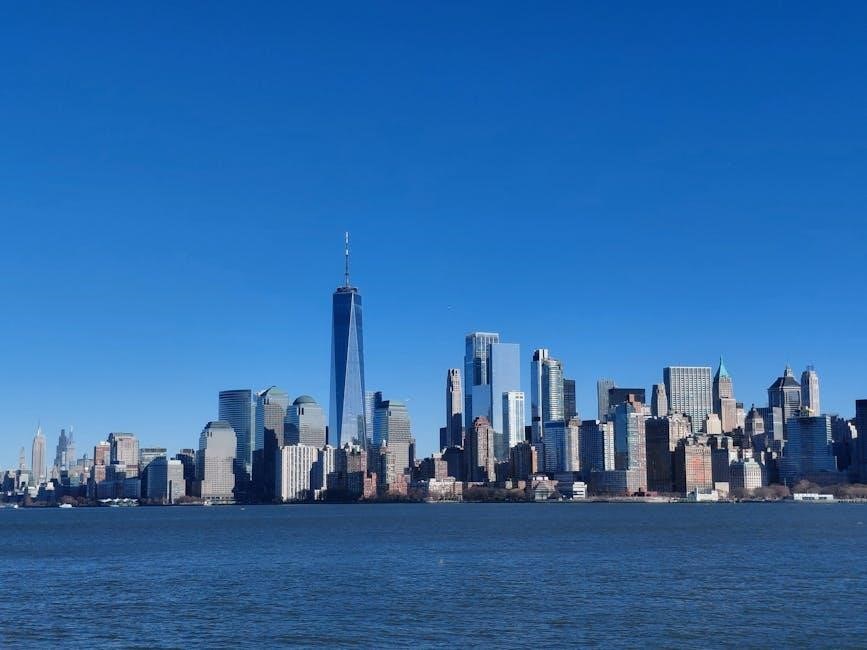
Despite these changes, strong preservation efforts and community activism strive to maintain the area’s historical identity and affordability. Balancing new development with the needs of long-term residents remains a central challenge. The neighborhood now represents a complex interplay between its rich past and evolving present, sparking ongoing debate about its future.
Real Estate Trends
The Lower East Side’s real estate market has experienced dramatic shifts. Historically affordable, the neighborhood now features a competitive landscape with soaring property values and rents. Luxury developments are increasingly common, alongside renovated tenement buildings catering to a higher-income clientele.
This trend has led to displacement concerns for long-term residents and small businesses. Condominium conversions and new construction continue to drive up prices, making homeownership increasingly unattainable for many. Despite this, the area remains desirable due to its central location and vibrant cultural scene, fueling continued investment and development.
Preservation Efforts
Preserving the Lower East Side’s unique historical character is a constant focus for community groups and advocates. Landmark designations protect significant buildings, like those within the Tenement Museum and the Lower East Side Tenement National Historic Site, safeguarding their architectural and cultural importance.
However, balancing preservation with new development remains a challenge. Activists push for zoning regulations that limit building heights and maintain the neighborhood’s scale. Efforts also concentrate on supporting existing small businesses and preventing displacement, recognizing their vital role in the area’s identity and fostering a sense of community.

Community Activism
The Lower East Side has a long history of robust community activism, rooted in the struggles of immigrant populations fighting for better living conditions and social justice. This spirit continues today, addressing issues like affordable housing, tenant rights, and the preservation of neighborhood character amidst rapid gentrification.
Local organizations actively engage in advocacy, organizing protests, and participating in city planning processes. They champion small businesses, promote cultural diversity, and work to ensure equitable development that benefits long-term residents. This dedication demonstrates a strong commitment to maintaining the Lower East Side’s unique identity and fostering a thriving, inclusive community.