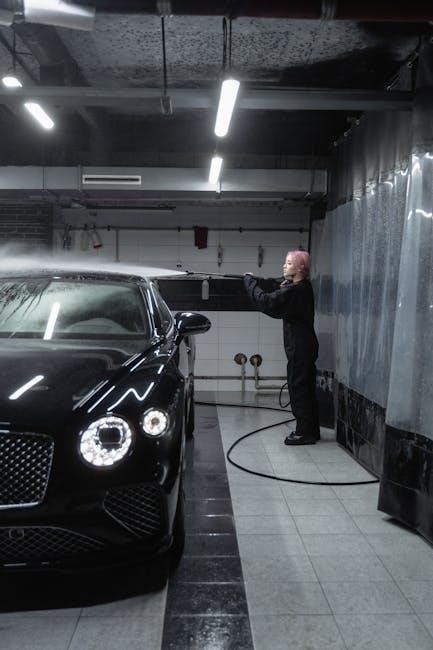
Commercial pressure washers offer unmatched cleaning capabilities, but overlooking troubleshooting can lead to breakdowns and costly repairs․ Addressing minor issues promptly is crucial;
Understanding the Importance of Regular Checks
Proactive maintenance is paramount for extending the lifespan and maintaining the optimal performance of your pressure washer․ Regular checks allow you to identify potential problems – like minor leaks or pressure drops – before they escalate into significant, expensive repairs․ Consistent inspections, even brief ones, can reveal loose connections, worn hoses, or developing issues within the pump itself․
Ignoring these early warning signs can lead to complete system failure, disrupting operations and incurring substantial downtime costs․ Furthermore, regular checks contribute to safety; a well-maintained machine operates more predictably and reduces the risk of accidents․ Think of it as preventative medicine for your equipment – a small investment of time that yields significant long-term benefits, ensuring reliable cleaning power when you need it most․
Safety Precautions Before Troubleshooting
Prioritizing safety is non-negotiable when troubleshooting a pressure washer․ Always disconnect the power source – whether it’s unplugging an electric model or disconnecting the spark plug on a gas-powered unit – to prevent accidental activation․ Never attempt repairs while the machine is running or still pressurized․ Release any remaining pressure by carefully triggering the gun until no water emerges․
Wear appropriate personal protective equipment (PPE), including safety glasses to shield your eyes and gloves to protect your hands․ Be mindful of hot surfaces, especially on gas-powered models․ Avoid working near flammable materials․ If you’re unfamiliar with pressure washer components or electrical systems, consult a qualified technician; attempting repairs beyond your skill level can be dangerous and void warranties․

Common Pressure Washer Problems & Solutions
Identifying and resolving common issues – like engine failure, low pressure, leaks, stalling, or instability – ensures optimal performance and extends your washer’s lifespan․
Problem 1: Engine Won’t Start
A pressure washer engine failing to start is a frequent issue, often stemming from fuel or ignition problems․ First, Fuel System Issues require checking the fuel tank for sufficient fuel and inspecting the fuel line for kinks or blockages․ A clogged fuel filter can also restrict fuel flow, necessitating replacement․ Secondly, Spark Plug Problems are common; a fouled or damaged spark plug won’t ignite the fuel-air mixture․ Remove the spark plug, inspect it for wear, clean it, or replace it if necessary․ Ensure the spark plug gap is correctly set according to the engine’s specifications․ Finally, confirm the engine’s kill switch is in the ‘run’ position․
Fuel System Issues
When a pressure washer engine refuses to start, fuel system problems are often the culprit․ Begin by verifying adequate fuel in the tank and checking for stale fuel, which can hinder ignition․ Inspect the fuel line meticulously for any kinks, cracks, or obstructions that might restrict fuel flow to the carburetor․ A clogged fuel filter is a frequent offender; replace it if it appears dirty or restricted; The carburetor itself may require cleaning to remove deposits that impede proper fuel-air mixing․ Ensure the fuel shut-off valve, if equipped, is open, allowing fuel to reach the engine․
Spark Plug Problems
If the engine cranks but doesn’t start, suspect spark plug issues․ First, disconnect the spark plug wire, carefully remove the spark plug, and visually inspect it for fouling – carbon buildup, oil, or damage․ A fouled spark plug won’t generate the necessary spark for combustion․ Clean a lightly fouled plug with a wire brush, or replace it if heavily soiled or damaged․ Ensure the spark plug gap is set to the manufacturer’s specifications using a feeler gauge; an incorrect gap weakens the spark․ Reconnect the spark plug wire securely․ To confirm spark, reconnect the plug to the wire, ground the plug’s metal body against the engine block, and pull the starter cord – a bright, consistent spark indicates a functioning system․
Problem 2: Low Pressure Output
Experiencing reduced cleaning power? Low pressure output is a common issue․ Begin by verifying the water supply – ensure adequate volume and pressure are reaching the pressure washer․ Next, inspect the nozzles for clogging; mineral deposits or debris can significantly restrict water flow․ Remove the nozzles and soak them in vinegar or a nozzle cleaning solution, then flush with water․ Check the water inlet screen for obstructions and clean it thoroughly․ A partially blocked inlet restricts water intake․ Finally, examine the high-pressure hose for kinks, bends, or damage, as these can impede water delivery and reduce overall pressure․
Clogged Nozzles
Reduced pressure often stems from clogged nozzles․ Mineral deposits from hard water, or accumulated dirt and debris, restrict water flow, diminishing cleaning power․ Begin by disconnecting the nozzle from the wand․ Visually inspect the nozzle opening for visible obstructions․ Utilize a thin wire, like a paperclip or nozzle cleaning tool, to carefully dislodge any blockage․ For stubborn clogs, soak the nozzle in white vinegar or a dedicated nozzle cleaning solution for several hours, then flush with water․ Regularly cleaning nozzles prevents buildup and maintains optimal performance․ Consider using a nozzle flush kit for a more thorough cleaning process․
Water Inlet Issues
Low pressure can also indicate problems with the water inlet․ Ensure the water supply is fully turned on and that the garden hose isn’t kinked or damaged, restricting water flow․ Check the water inlet filter – often located where the hose connects to the pressure washer – for sediment or debris․ Remove and clean the filter thoroughly․ Insufficient water pressure from the source itself can also be a culprit; a pressure regulator might be necessary․ Verify the pressure washer’s inlet screen is clear․ A partially blocked inlet starves the pump, leading to reduced output and potential damage․
Problem 3: Pressure Washer Leaking Water
Water leaks are a common issue, often stemming from loose hose connections․ Carefully inspect all connections – between the pump, hose, and spray gun – and tighten them securely․ If leaks persist, check the O-rings and seals for wear or damage; replace them as needed․ A more serious cause could be a pump seal failure, indicated by water leaking from the pump housing itself․ This typically requires professional repair or pump replacement․ Don’t ignore leaks, as they reduce efficiency and can lead to further damage․ Regularly inspect hoses for cracks or bulges, replacing them immediately if found․
Hose Connections
The most frequent source of leaks is often simply loose hose connections․ Begin by thoroughly inspecting all connections – where the high-pressure hose attaches to the pump, the spray gun, and any extension wands․ Ensure each connection is tightly secured; hand-tighten first, then use a wrench for a snug fit, avoiding over-tightening․ Examine the hose itself for cracks, kinks, or bulges, which indicate damage requiring replacement․ Check the O-rings within the connectors for wear or deterioration; these small rubber seals are crucial for a watertight seal and should be replaced if compromised․

Pump Seal Failure
A failing pump seal is a common cause of persistent leaks, often manifesting as water escaping from the pump housing itself․ This usually indicates internal wear and tear within the pump․ Identifying a pump seal failure requires careful inspection; look for water dripping directly from the pump body, even when the trigger isn’t engaged․ Replacing a pump seal is a more involved repair, often requiring specialized tools and knowledge․ It’s generally recommended to consult a qualified technician for this task, as improper installation can lead to further damage․ Ignoring a failing pump seal can cause significant internal corrosion and ultimately, pump failure․
Problem 4: Engine Stalling During Operation
Experiencing engine stalling mid-operation is frustrating and often points to fuel or air supply issues․ A frequently encountered culprit is a dirty air filter, restricting airflow to the engine and causing it to stall under load․ Regularly cleaning or replacing the air filter is vital preventative maintenance․ Another common cause is carburetor problems, potentially stemming from a clogged jet or improper fuel mixture․ Carburetor issues often require disassembly and cleaning, best left to experienced technicians․ Fuel quality also plays a role; stale or contaminated fuel can lead to stalling․ Ensure fresh fuel is used and the fuel line isn’t kinked․
Dirty Air Filter
A dirty air filter is a surprisingly common cause of engine stalling in pressure washers․ Its primary function is to prevent dust and debris from entering the engine’s combustion chamber․ When clogged, it restricts airflow, creating a fuel-rich mixture that leads to incomplete combustion and eventual stalling, especially under the strain of pressure washing․ Regularly inspect the air filter – typically, before each use or after every few hours of operation․ A visibly dirty filter should be cleaned or, preferably, replaced․ Using a clean air filter ensures optimal engine performance and prevents premature wear and tear on internal components․
Carburetor Problems
If your pressure washer engine stalls despite a clean air filter, carburetor problems may be the culprit․ The carburetor mixes air and fuel for combustion; any disruption here impacts engine performance․ Common issues include a clogged carburetor, often due to stale fuel leaving behind varnish deposits, or a malfunctioning float․ Symptoms include difficulty starting, rough idling, and stalling, particularly when the load increases․ Cleaning the carburetor, potentially requiring disassembly, is often necessary․ For complex carburetor issues, professional servicing is recommended to ensure proper fuel mixture and prevent further engine damage․
Problem 5: Unstable Pressure
Experiencing fluctuating pressure during operation indicates a potential issue with the pressure regulation system․ Two primary causes are a faulty unloader valve or an inconsistent water supply․ The unloader valve regulates excess pressure, and if it malfunctions, pressure will surge and drop erratically․ Simultaneously, ensure a steady water source; restrictions or interruptions in the water supply directly translate to unstable pressure output․ Check for kinks in the inlet hose and adequate water flow․ Replacing the unloader valve or resolving the water supply issue should restore consistent pressure․
Faulty Unloader Valve
The unloader valve is a critical component responsible for maintaining consistent pressure during operation․ When it fails, it often manifests as unstable pressure – surging or dropping unexpectedly․ A malfunctioning valve can’t effectively regulate excess pressure, leading to erratic performance․ Inspect the valve for any visible damage, corrosion, or blockages․ Testing involves disconnecting the valve and checking its responsiveness to pressure changes․ If the valve doesn’t react smoothly or appears stuck, replacement is necessary․ A new unloader valve restores proper pressure regulation, ensuring a stable and effective cleaning experience․
Inconsistent Water Supply
Unstable pressure can frequently stem from an inconsistent water supply to the pressure washer․ This could involve a partially closed valve on the water source, a kinked or damaged inlet hose, or insufficient water pressure from the main supply․ Verify the water source is fully open and capable of delivering the required gallons per minute (GPM) specified in your pressure washer’s manual․ Inspect the inlet hose for obstructions or damage, replacing it if necessary․ Low water pressure can cause the pump to struggle, resulting in fluctuating output․ Ensuring a steady and adequate water flow is paramount for consistent performance․
Advanced Troubleshooting Techniques
Deeper diagnostics involve pump inspection for wear and tear, and electrical system testing to pinpoint motor or engine wiring faults effectively․
Checking the Pump
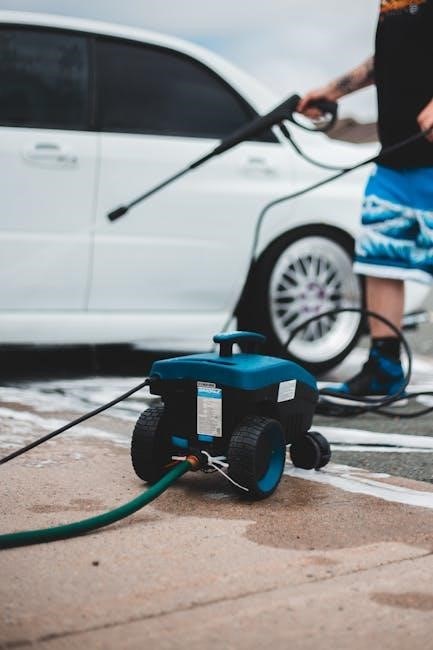
The pump is the heart of your pressure washer, responsible for generating the high-pressure water stream․ Thoroughly inspecting it is vital for advanced troubleshooting․ Begin by visually examining the pump housing for any cracks or signs of physical damage․ Check for leaks around the pump seals and connections, as these indicate potential failure points․
Next, rotate the pump shaft manually to feel for any roughness or resistance, which could suggest internal wear․ Disconnect the water inlet hose and inspect the pump inlet screen for debris or blockages․ A clogged screen restricts water flow and reduces pressure․ Finally, assess the pump’s unloader valve, ensuring it’s functioning correctly to regulate pressure and prevent damage․ Regular pump checks extend the lifespan of your pressure washer․
Inspecting for Wear and Tear
A detailed inspection for wear and tear is crucial when assessing pump health․ Begin by examining the piston seals and O-rings for cracks, brittleness, or deformation – these are common failure points․ Check the connecting rods and crankshaft for any signs of bending or damage, indicating potential internal stress․
Inspect the ceramic plunges for scoring or pitting, as these imperfections reduce pumping efficiency․ Pay close attention to the pump’s bearings; excessive play or noise suggests they need replacement․ Look for corrosion on any metal components, especially if the unit hasn’t been stored properly․ Addressing wear early prevents catastrophic pump failure and ensures optimal performance․
Diagnosing Electrical Issues
Electrical problems can halt pressure washer operation, demanding careful diagnosis․ Begin by visually inspecting the motor/engine wiring for frayed insulation, loose connections, or corrosion․ Use a multimeter to test for continuity in the wiring, ensuring a complete circuit․ Check the voltage reaching the motor/engine; a significant drop indicates a power supply issue․
Examine the thermal overload protector – if tripped, allow it to cool before resetting․ Inspect the starter motor solenoid for proper function․ If the unit has a GFCI outlet, verify it’s functioning correctly․ Always disconnect the power source before performing any electrical tests or repairs to prevent shock․
Testing the Motor/Engine Wiring
Before testing, always disconnect the power source! Utilize a multimeter set to the continuity setting to check each wire for breaks; A lack of continuity signifies a damaged wire needing replacement․ Next, test for shorts to the frame – resistance should be infinite․ Inspect wire connectors for corrosion or looseness; clean or tighten as needed․
With the power safely reconnected (and extreme caution exercised), verify voltage at the motor/engine terminals during operation․ Compare the reading to the manufacturer’s specifications․ Low voltage suggests a wiring issue or a failing component upstream․ Document all readings for comparison and future troubleshooting․
Maintenance to Prevent Future Problems
Regular cleaning, thorough inspections, and proper storage are vital for extending your pressure washer’s lifespan and preventing unexpected operational issues․
Regular Cleaning and Inspection
Consistent cleaning and inspection are foundational to preventing pressure washer issues․ After each use, thoroughly flush the system with clean water to remove detergent residue and debris that can cause clogs and corrosion․ Inspect the high-pressure hose for any signs of wear, such as cracks, bulges, or abrasions, replacing it immediately if damage is detected․
Pay close attention to the nozzles, ensuring they are free from obstructions․ Regularly check the water inlet filter for sediment buildup, cleaning or replacing it as needed to maintain optimal water flow․ A visual inspection of all connections – hoses, fittings, and the pump – will help identify potential leak points before they escalate into larger problems․ Don’t neglect the engine; keep it clean and check oil levels routinely․
Proper Storage Procedures
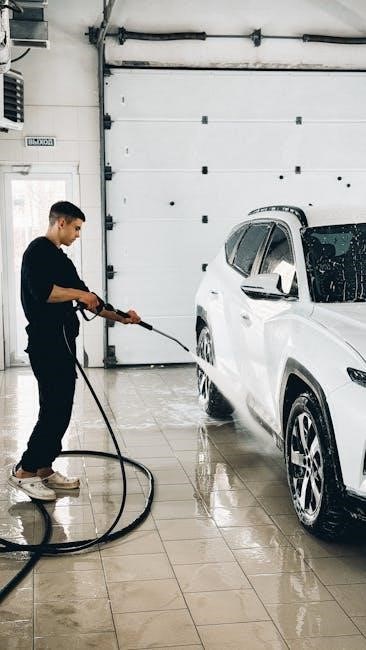
Correct storage significantly extends your pressure washer’s lifespan․ Before long-term storage, completely drain all water from the pump, hoses, and wand to prevent freezing damage, especially in colder climates․ Utilize a pump protector specifically designed for pressure washers to lubricate internal components and prevent corrosion during inactivity․
Store the unit in a clean, dry environment, shielded from direct sunlight and extreme temperatures․ Disconnect the fuel line (for gas-powered models) and stabilize the fuel to prevent degradation․ Cover the pressure washer to protect it from dust and debris․ Regularly check the stored unit for any signs of deterioration, ensuring it’s ready for use when needed․